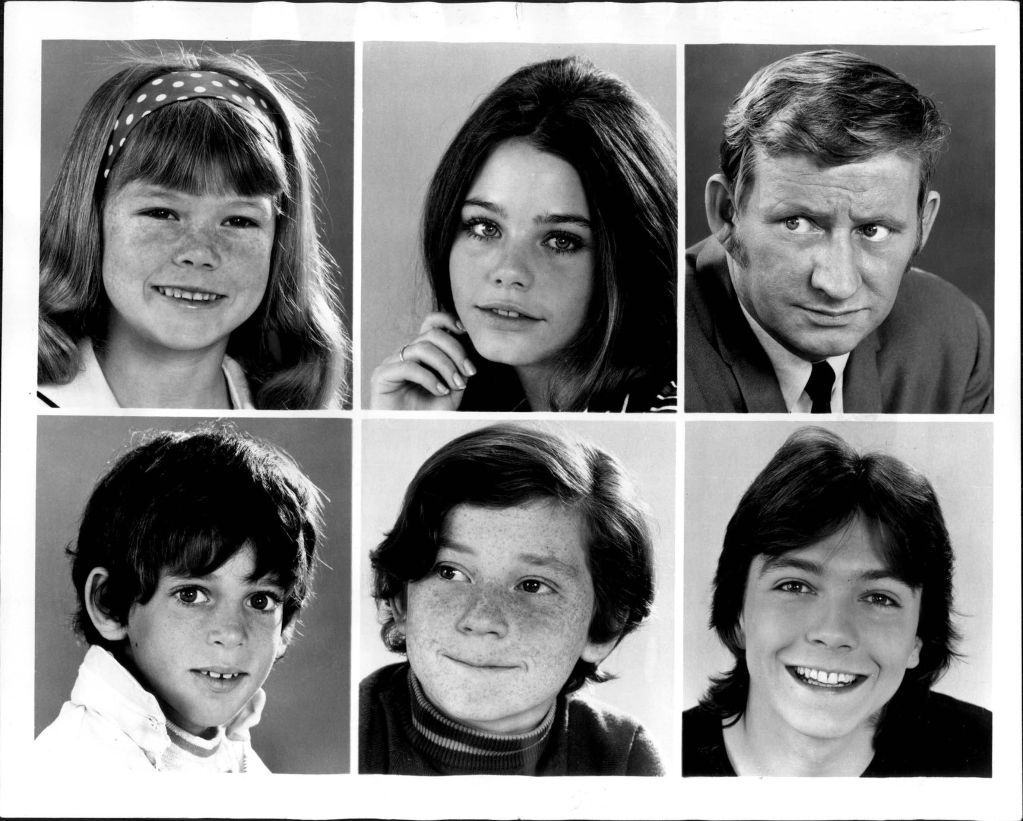
The Partridge Family cast in a 1970 ABC publicity photo promoting the series premiere. Photo: ABC Television Network via Wikimedia Commons (public domain)
Fifty-six years ago tonight, ABC gave America a family band, a teen idol and a school bus that looked like a modern-art museum had rear-ended a Chevy dealership. On Friday, September 25, 1970, The Partridge Family premiered at 8:30 p.m., right after The Brady Bunch. Shirley Jones played a widowed mom whose five kids start a band in the garage, David Cassidy played the heartthrob eldest son, and the whole outfit went on tour in a 1957 Chevrolet school bus painted in blocks of red, yellow and blue.
The show ran four seasons. The bus outlived it in every way that matters. It is still one of the most recognizable vehicles in TV history, it still gets copied by tribute builders, and it is basically the patron saint of every painted school-bus conversion rolling down the interstate today. Here’s the story of the Partridge Family bus, and why car people still care about a sitcom prop that started life hauling students.
From Pupil Hauler to Pop Star Tour Bus
Screen Gems built The Partridge Family to repeat the trick it pulled with The Monkees: make a TV show about a band, then sell the band’s records for real. The premise was loosely inspired by the Cowsills, a real-life family pop group. A traveling family band needed a traveling family vehicle, and the answer was a retired school bus.
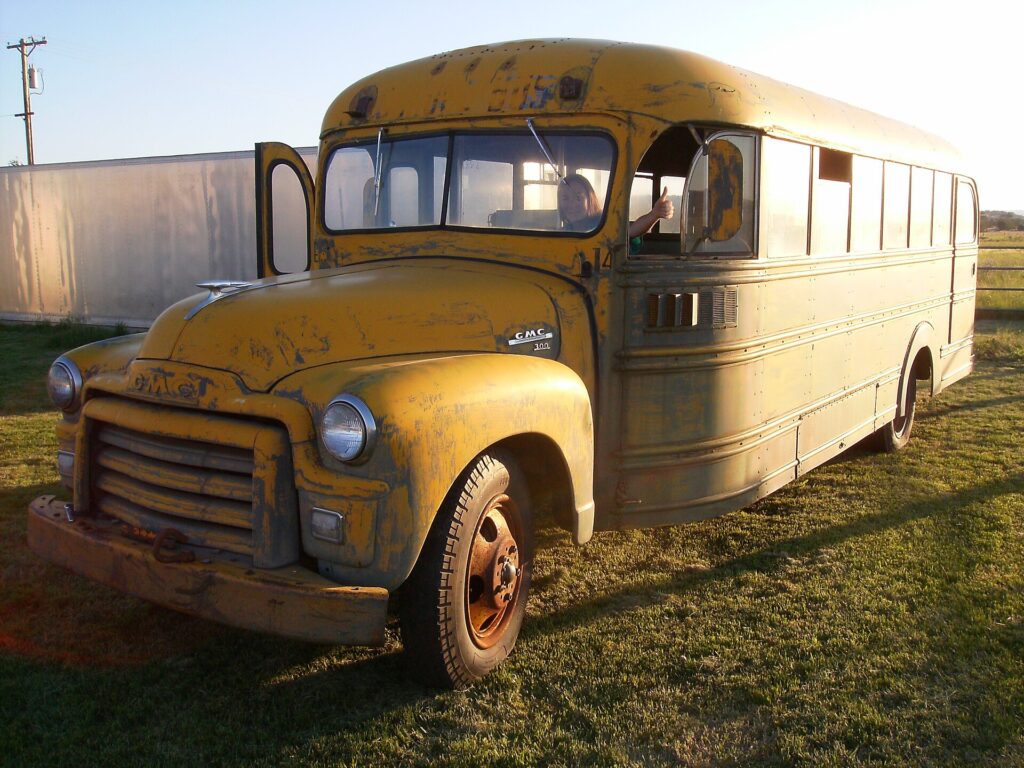
The bus was a 1957 Chevrolet Series 6800 with a body from the Superior Coach Company of Lima, Ohio. According to Reminisce, it had served as a school bus in Orange County, California, and the studio reportedly bought it for $500. That’s a sitcom budget line, not a collector-car price, and it tells you exactly how anybody viewed a 13-year-old school bus in 1970: as a used appliance.
Here’s the part worth knowing if you’ve never looked under one. Buses like this weren’t built by a single company. Chevrolet supplied a conventional cowl-and-chassis truck, basically the front half of a medium-duty truck with a bare frame behind the firewall, and a separate coachbuilder like Superior, Carpenter, Wayne or Blue Bird bolted its own steel passenger body on top. That’s why you’ll see the same era of Chevy, GMC, Ford, Dodge and International grilles wearing near-identical yellow bodies. For anyone shopping an old bus today, it also means two sets of problems: the truck’s drivetrain and brakes, and the body builder’s steel, rivets and floor, which is usually where rust hides.
The Paint Job That Made It Famous
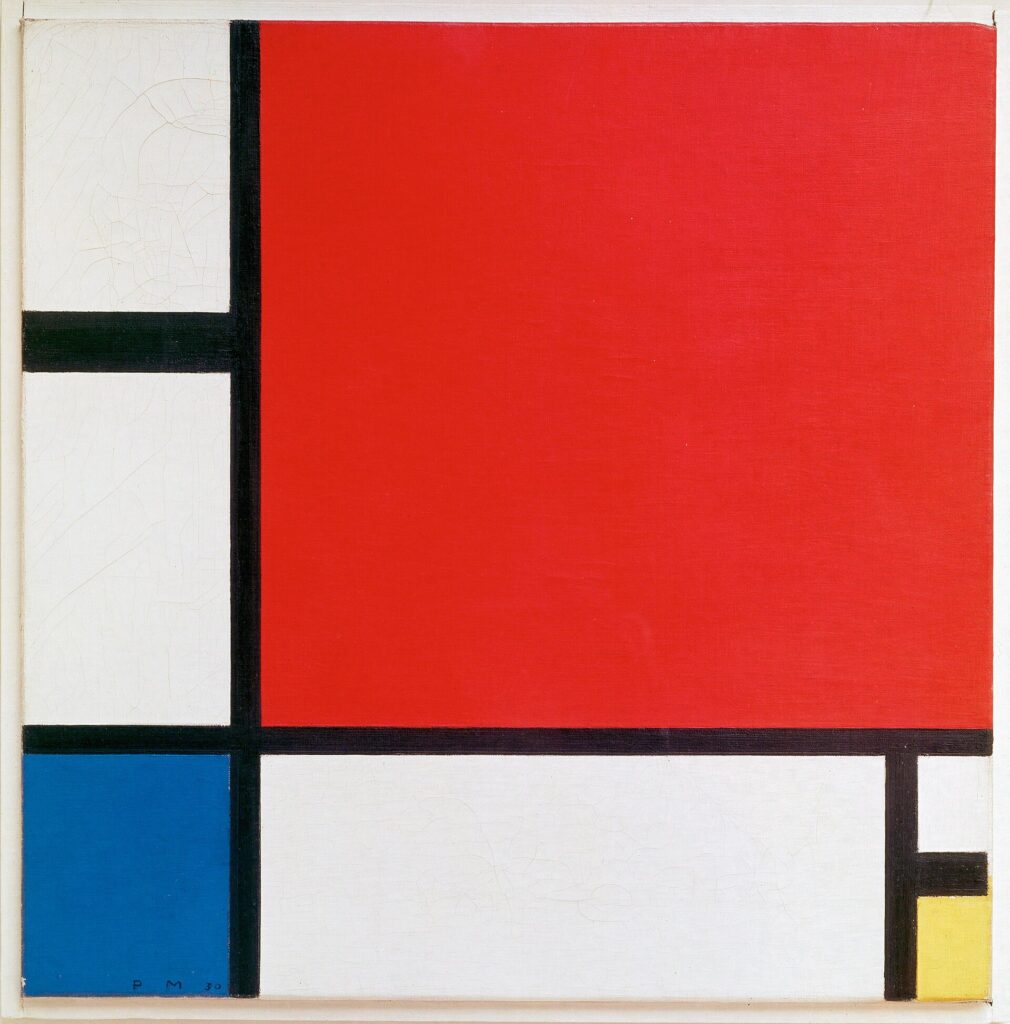
School-bus yellow was out. In its place went a white base broken up by black lines and slabs of primary color, lifted from the style of Dutch painter Piet Mondrian. TIME later described it as “gridlocked blocks of primary colors,” which is a polite way of saying the bus looked like a board game on wheels.
It worked because it was instantly readable. In an era of wood-grain station wagons and beige sedans, you could identify the Partridge bus from across a parking lot, on a tiny black-and-white TV, in a two-second establishing shot. The rear of the bus carried a warning sign that read “Careful: Nervous Mother Driving,” which remains one of the best bumper-sticker jokes network TV ever produced. And the nervous mother really did drive: Shirley Jones reportedly learned to handle the bus’s manual transmission for filming.
A Fake Band With a Real No. 1 Hit
The bus had plenty of help. The pilot introduced the family’s first single, “I Think I Love You,” and according to History.com, it became a genuine No. 1 pop hit within two months of the premiere. The instrumental track wasn’t played by the kids on screen. It was cut by Los Angeles studio pros, including drummer Hal Blaine and other members of the session crew known as the Wrecking Crew. Cassidy sang lead with Jones on backing vocals, and he became one of the biggest teen idols of the decade.
The show did well, too. It ranked 26th in its first season and climbed to 16th in its second. The momentum faded after ABC moved it to Saturday nights for its fourth season, and the final episode aired in March 1974. Ninety-six episodes, one iconic bus.
What Happened to the Partridge Family Bus?
This is where the story stops being cute. Nobody treated the bus like a museum piece, because in 1974 nobody treated TV cars like museum pieces. Accounts collected by Reminisce say it was repainted and used in the short-lived 1974 drama Apple’s Way, and that it can be spotted in the background of a 1982 CHiPs episode. Fans have long claimed it spent time parked behind a taco stand in Los Angeles in the early 1980s, though that sighting has never been nailed down.
The ending is less debatable. TIME reported that the bus “found its final resting place in a Los Angeles junkyard in 1987.” In other words, the most famous school bus in pop culture was scrapped the same way thousands of anonymous ones were. Compare that with how the hobby treats screen cars now. The Munster Koach has been re-created and preserved for decades, and the Batman Returns Batmobile is headed to auction as a serious collectible. The Partridge bus just missed the era when anyone would have thought to save it.
Replicas, Tributes and the Skoolie Connection
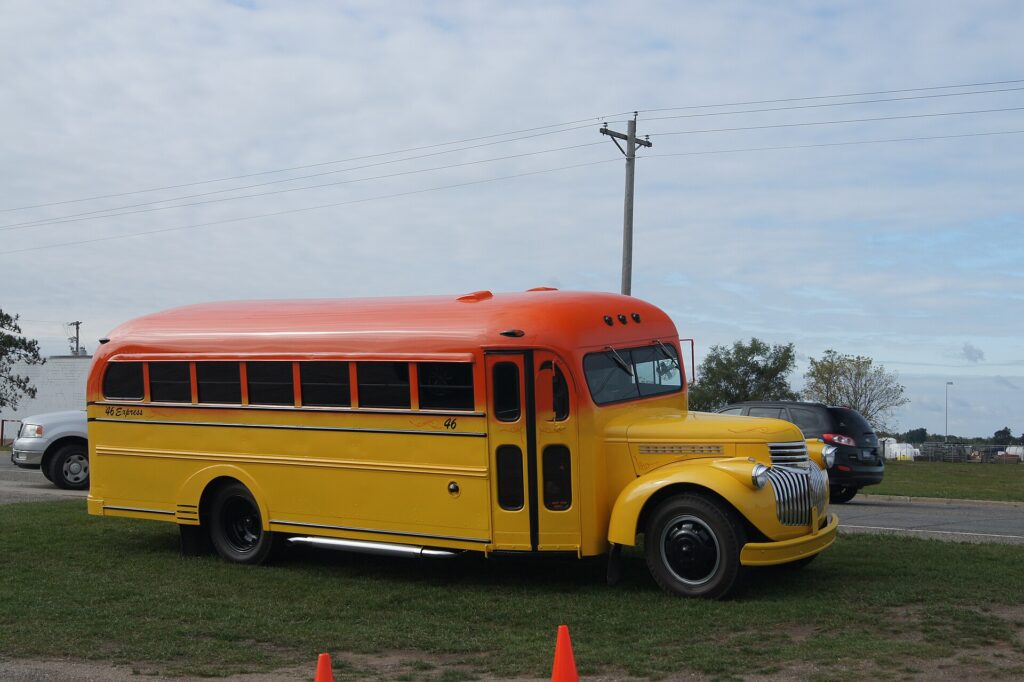
Since the original is gone, every Partridge bus you’ll see today is a copy. Replicas have been built for promotions, for a Nick at Nite revival push and for the 1999 TV movie Come On, Get Happy: The Partridge Family Story, and private owners keep building tributes for car shows and party rentals. If one ever crosses an auction block claiming to be “the” bus, be skeptical. The documented history says the original was scrapped.
The bigger legacy is cultural. Long before Instagram made “skoolie” a lifestyle hashtag, the Partridge Family bus sold a generation on the idea that a retired school bus could be a rolling home, a band van and a personality all at once. If that idea has you browsing old buses, a few real-world notes:
- Check the floor and body before the engine. Drivetrains for old Chevy and GMC trucks are relatively easy to source. Rusted body floors, rotten window channels and loose rivets on a coachbuilt body are far more work.
- Know the weight rating. A bus’s gross vehicle weight rating decides a lot, from brakes and tires to what license and registration your state requires. Rules for converted buses vary by state, so check with your DMV before you buy, not after.
- Plan for braking and gearing. A 1950s bus was geared to crawl between school stops, not cruise at modern highway speeds. Many owners upgrade brakes and change gearing before doing any long-distance touring.
- Insurance is its own project. A converted bus may be insured as a motorhome, a collector vehicle or neither, depending on how it’s built and titled. Get quotes early.
Why Enthusiasts Still Care
The Partridge Family bus proves that a TV car doesn’t need a supercharger, a jet turbine or a Barris badge to become iconic. It needed a clear identity, a great paint job and a weekly primetime audience. It turned the most boring vehicle in America into a symbol of freedom and fun, and it did it with a cheap used bus and a whole lot of paint.
It’s also a reminder that pop culture history can be lost fast. Screen-used vehicles that seem disposable today can be priceless in 30 years. For more of the vehicles and moments that shaped car culture, check out our look at what the Cars re-release gets right about real automotive history and the day two Amphicars crossed the English Channel.
Sources
- History.com: “The Partridge Family” premieres on ABC, September 25, 1970
- TIME: Top 10 Famous Buses, The Partridge Family Bus
- Reminisce: What Happened to the Partridge Family Bus?
Images: ABC Television Network (public domain); Piet Mondrian (public domain); Darron Birgenheier and Greg Gjerdingen (CC BY 2.0), all via Wikimedia Commons.
About the Author