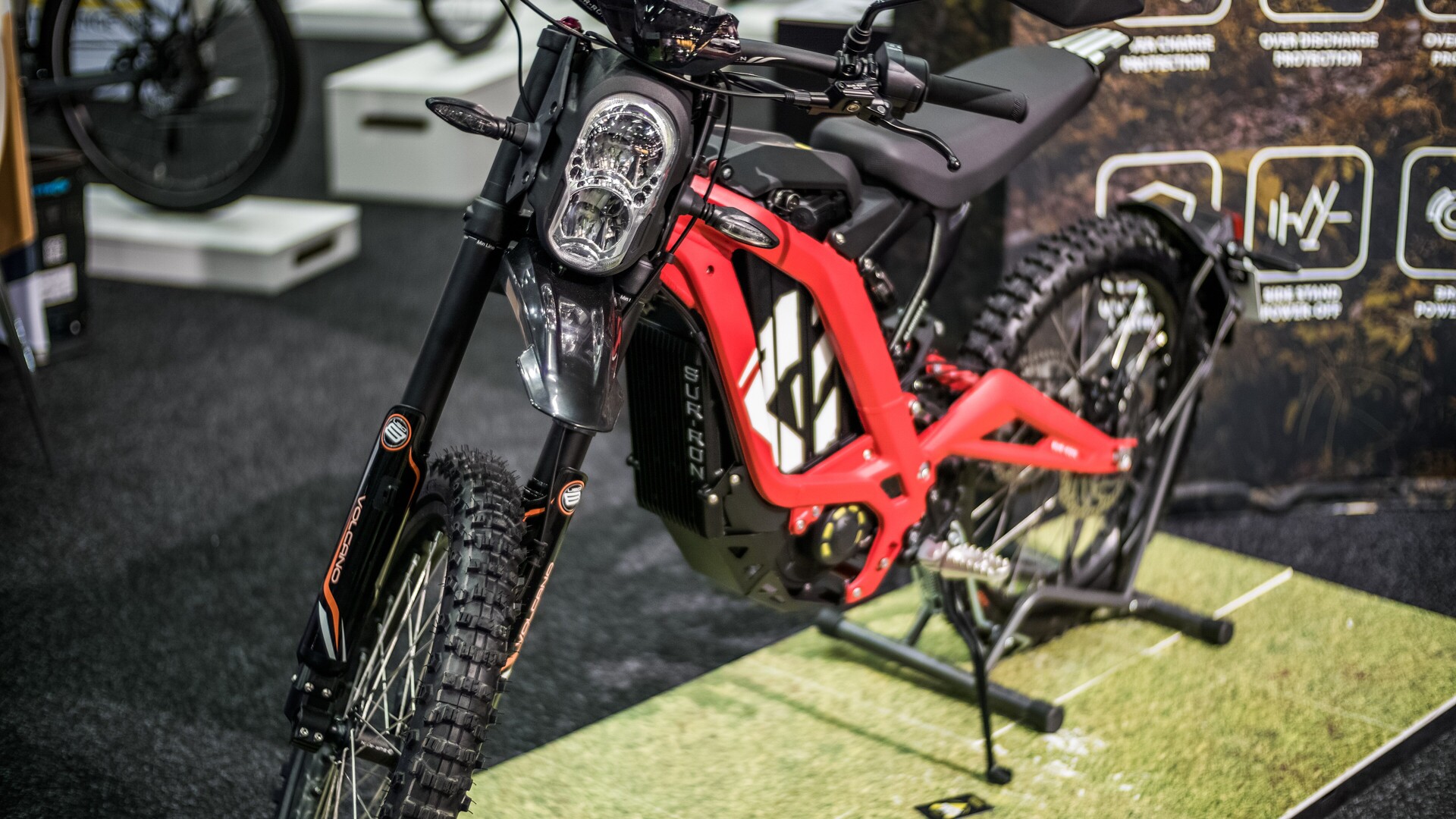
File photo: Ivan Radic / Wikimedia Commons (CC BY 2.0)
Twelve Orange County parents have been charged since January over their kids’ electric motorcycles, and District Attorney Todd Spitzer’s office says investigators are looking at about 50 more. Next up: the parents of Benson Nguyen, 13, who died in May, are due for arraignment Nov. 12. These are allegations, and no pleas have been entered.
What happened to Benson Nguyen
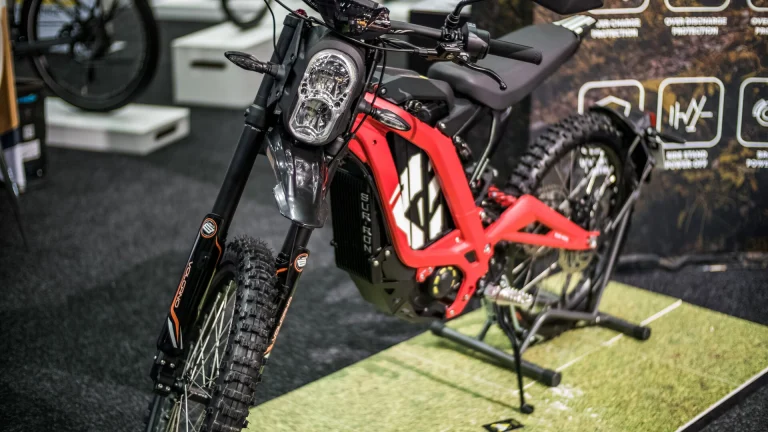
Benson Nguyen, 13, died May 7 in Garden Grove after losing control of an E-Ride Pro SS 2.0 on Magnolia Street near Larson Avenue. Prosecutors say he hit a raised center divider, was thrown from the bike and struck a concrete light pole. He died at UCI Medical Center. The Life360 app on his phone showed he was going 43 mph, according to prosecutors. The model can reach 40 mph in Eco mode and 62 mph in Sport mode, according to Local12’s report.
Prosecutors say witnesses reported he had been speeding, doing wheelies and running red lights shortly before the crash, and that he had posted stunt videos online. They also say he had suffered serious injuries, including a broken leg, on an electric vehicle about six months earlier.
His father, Vu Thanh Nguyen, 56, faces a felony child endangerment charge and a misdemeanor charge of contributing to the delinquency of a minor, with up to six years in state prison if convicted on all counts. His mother, Hong Cuc Thi Nguyen, 49, faces a misdemeanor child endangerment charge, with up to a year in county jail. Prosecutors allege the father bought a more powerful e-motorcycle despite warnings about the boy’s reckless riding and prior injuries. Both are set for arraignment Nov. 12, according to the Los Angeles Times as cited by Local12.
What prosecutors have to prove
Spitzer has said that buying an e-bike or e-moto is not a crime by itself. According to a Yahoo report on the charges, prosecutors must show the parent knew the child was riding illegally or dangerously, knew of earlier injuries or incidents, or helped with illegal modifications that override speed limiters. Spitzer has said the charges are meant to hold adults responsible when they let children ride illegal vehicles, and that grief over Benson’s death does not erase the decisions made by his parents.
Why the vehicle matters
The district attorney’s office says the bike did not meet California’s legal e-bike definition and was a motor-driven cycle or motorcycle because of its power, speed and design. On public roads, that would require a motorcycle license, registration, insurance, a license plate and full safety equipment. Under the state’s e-bike categories, a qualifying e-bike has working pedals and a motor of 750 watts or less. Class 3 riders must be at least 16, while Classes 1 and 2 have no statewide minimum age. BackfireNews reported earlier this fall on a related question in Oviedo, Florida, where an 11-year-old was cited over a 4,500-watt electric dirt bike.
The other cases
The charges reach well beyond Garden Grove. In Lake Forest, a 14-year-old riding an illegal e-moto struck and killed an 81-year-old Vietnam veteran, and his mother faces an involuntary manslaughter charge, according to the Yahoo report. Other defendants include a Yorba Linda father charged with a misdemeanor after his 11-year-old collided with a pickup on June 30, and a Yorba Linda mother charged with a felony after her 9-year-old was struck by a pickup on May 23.
What prosecutors point to
Prosecutors say e-bike and e-motorcycle injuries are now the leading reason children in Orange County go to emergency rooms. The Yahoo report says injuries in Southern California rose more than 430% over four years, and that riders ages 11 to 14 account for 61.7% of e-moto crashes in California’s statewide crash database. The district attorney’s RIDE SAFELY unit, created in May, reviews possible charges against minors and adults who knowingly allow illegal riding. Another report says the county has run a $100,000 buyback program that has collected more than 1,000 e-motos in exchange for gift cards.
For parents
The thing prosecutors keep pointing to is the vehicle itself. Check whether it has working pedals and a motor of 750 watts or less, and whether it has been modified to remove a speed limit. A faster, motorcycle-class machine generally needs a license, registration, insurance and a plate before it goes on a public road.
Spitzer says buying one isn’t a crime. Prosecutors say the case turns on what the parent knew. If a kid has already been hurt on one and a parent buys a faster one anyway, where does bad judgment end and a crime begin?
Sources: Local12; Yahoo News; Yahoo News.
About the Author