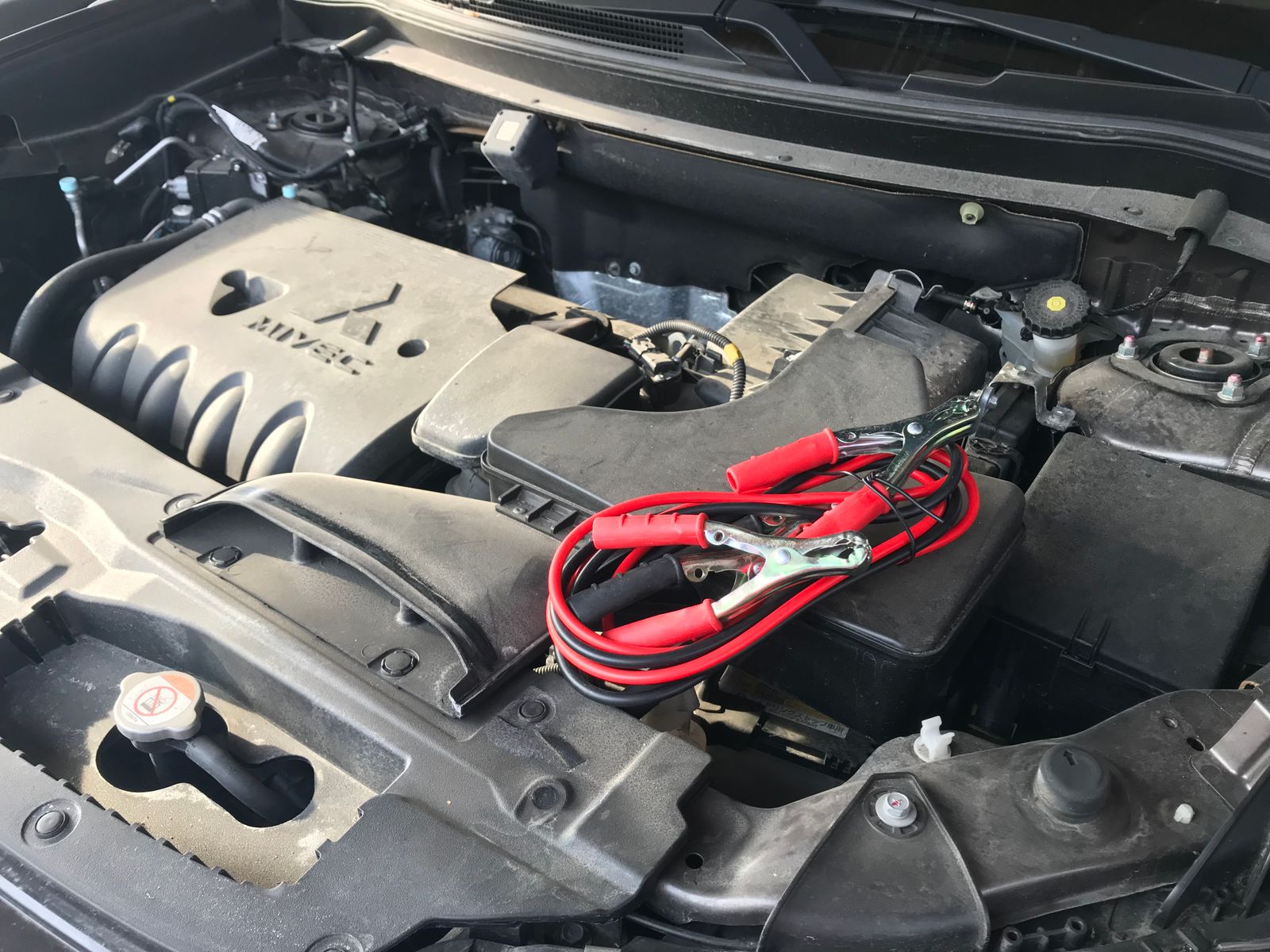
Red clamps, a dead battery and a question: who is bringing the second car? Photo by Max on Pexels
Affiliate disclosure: Backfire News may earn a commission from qualifying purchases made through links in this article, at no extra cost to you. This does not influence which products we recommend.
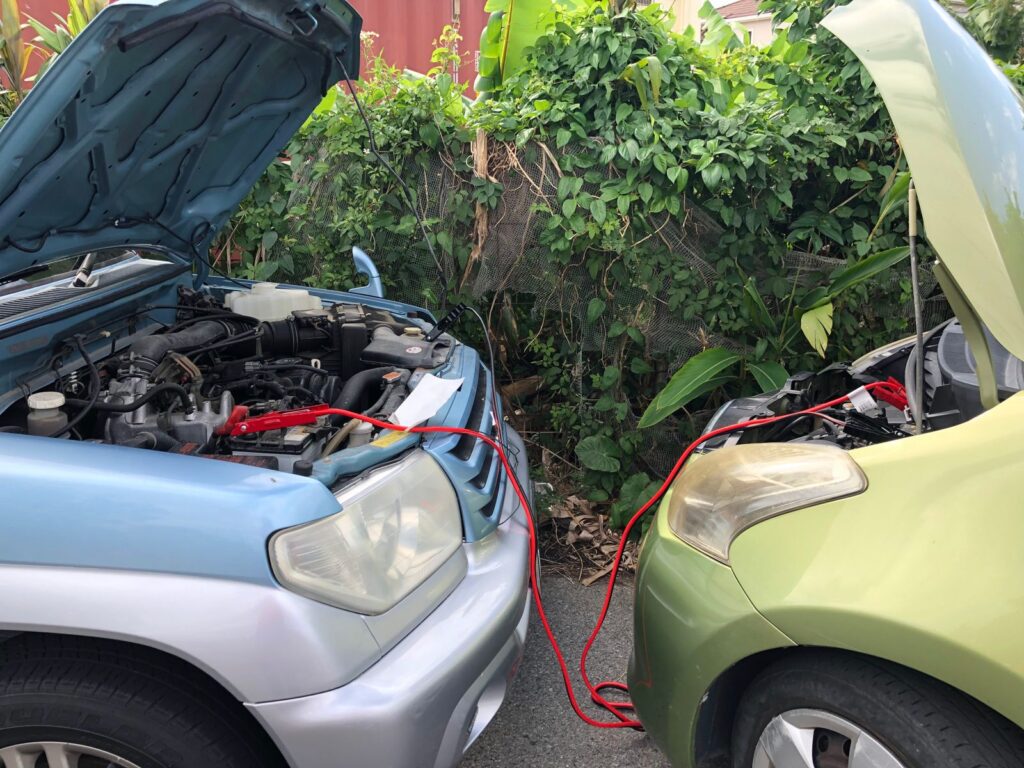
Every car owner has the same plan for a dead battery: find a set of jumper cables, then find a stranger with a running car, a willing attitude and a battery on the correct side of the engine bay. Two out of three is not enough, and it’s always the stranger who flakes. Usually while you’re standing there holding the cables like a guy waiting for a prom date.
A lithium jump pack removes the stranger from the plan. And if we were spending our own money on one, we would buy the NOCO Boost Plus GB40, a 2.4-pound box that has become the default answer to “what jump starter should I keep in the car?”
What it is
Per NOCO’s product page and the GB40 user guide, the pack is built around a 24 watt-hour lithium-ion battery rated at 1,000 peak amps. NOCO rates it for gasoline engines up to 6.0 liters and diesels up to 3.0 liters, with up to 20 jump starts on a full charge. It measures 6.7 x 3.2 x 1.7 inches, weighs 2.4 pounds and carries an IP65 rating when its ports are closed.
The rest of the spec sheet is the useful-extras list: a 10-watt USB-C input, a 2.1-amp USB output that NOCO says will recharge a phone about four times, a 100-lumen LED light with seven modes including SOS and strobe, and permanently attached clamps with spark-proof connections and reverse polarity protection.
Who it is for
- The solo driver. Cables need a donor car. The GB40 needs you, two clamps and about a minute.
- Owners of cars that sit. The weekend truck, the project car, the convertible that hibernates all winter. Parasitic drain finds them first.
- Anyone who parks nose-in. Parking garages, tight driveways and packed lots make a car-to-car jump physically awkward. A pack does not care which way you are facing.
- Trail and farm users with mid-size gas engines. Think V6 pickups, most SUVs, ATVs, UTVs and boats with a 12-volt starting battery inside the 6.0-liter gas rating.
When you’ll need it
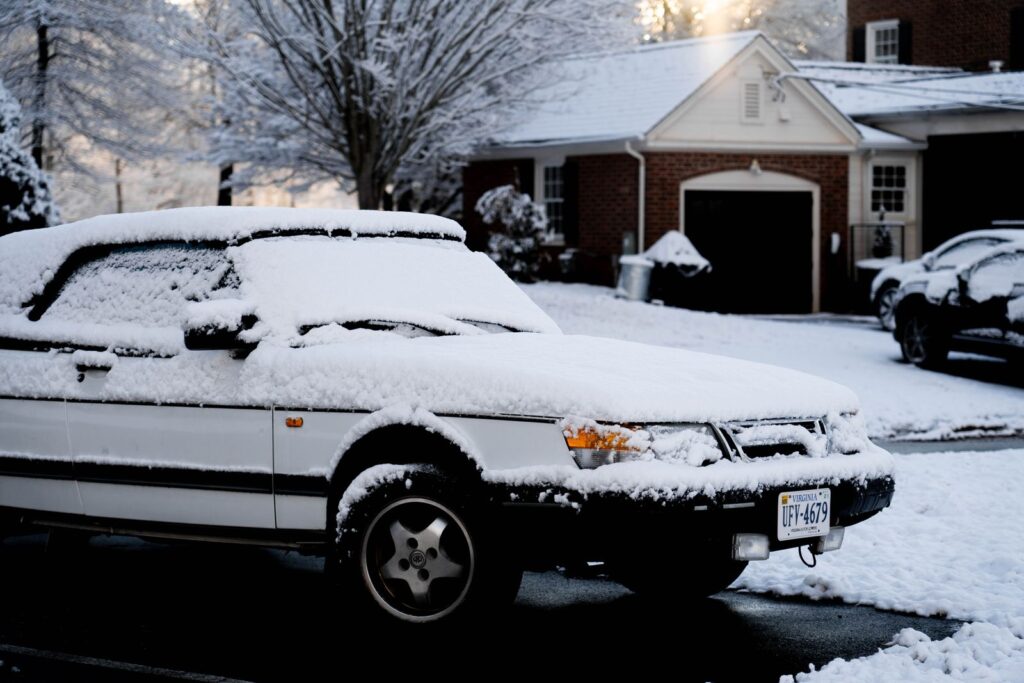
The obvious case is the cold morning. Low temperatures slow the chemistry inside a lead-acid battery while thickened oil makes the engine harder to turn over, so a battery that was merely tired in October can quit in January. That is exactly when nobody wants to stand in a parking lot waving down help.
The less obvious case is the trailhead. A dome light left on, a fridge running overnight, a winch session that drained more than the alternator put back: miles from pavement, the pack is the difference between a two-minute fix and a long walk. It belongs in the same bag as a good portable tire inflator and the rest of your off-road recovery gear.
Peak amps vs. engine size
Ignore the 1,000-amp headline. Peak amps is the jump-starter industry’s version of “up to” pricing. It’s not a standardized rating across brands, and it describes a momentary burst rather than the sustained current an engine needs while cranking. The number that actually tells you whether a pack fits your vehicle is the manufacturer’s engine-size rating, which is why NOCO leads with 6.0 liters gas and 3.0 liters diesel. Diesels need far more cranking effort per liter because of their high compression, which is why that second figure is half the first.
Then there’s the safety system. The GB40 will not send current until it detects a battery, and per NOCO it works on batteries down to 2 volts. A battery that is truly flat can read as “nothing connected.” For that, NOCO provides a Manual Override, activated by holding a button for three seconds, which bypasses the protections. The user guide warns in capital letters that this mode can deliver up to 1,000 amps and cause sparks and high heat. Treat it as the last resort it is, and double-check the clamps before you use it.
The limitations
- Big engines need a bigger pack. A 6.2-liter V8 or a heavy-duty diesel pickup is outside its rating. Buying the GB40 for a Super Duty is buying the wrong tool.
- It is for 12-volt lead-acid batteries only. That is the user guide’s wording, not ours. If your motorcycle or track car runs a lithium starter battery, check with that battery’s maker before you clamp on.
- Heat is its enemy. NOCO’s operating range is -4°F to 122°F, and the company itself notes that a car’s interior can reach 122°F within 10 minutes in the sun. Glovebox storage in Phoenix in July is not a plan. Keep it out of direct sunlight, or under a seat.
- It will not fix the real problem. A jump pack gets you started. It does not charge a dying battery back to health or diagnose a failing alternator. If you need it twice in a week, the battery or charging system needs attention.
- It has a duty cycle. The guide says no more than five consecutive attempts within 15 minutes, then a 15-minute rest. If the engine still will not fire after that, the battery was probably not the issue.
- It needs occasional attention. NOCO says Boost packs hold 70 percent of rated capacity for up to a year, but recommends recharging every four to six months. Put a reminder in your phone, or you will discover a dead jump pack on the same morning as a dead battery.
Price context
NOCO lists the GB40 at $99.95. Amazon pricing moves around and has dipped below that during sales, so check the current price before you buy rather than trusting any number printed in an article, including this one. Warranty coverage is one year, limited.
It’s a one-time purchase that can live in the car for years. Jumper cables cost less up front but only work when someone else shows up, and the more expensive NOCO packs only make sense if your engine needs the extra rating.
The alternatives
- A good set of jumper cables. Cheap, simple and battery-free, so nothing to recharge. The catch is the donor car. Keep a set anyway as backup.
- NOCO Boost Sport GB20. At $79.95 MSRP, it is rated at 500 amps for gas engines up to 4.0 liters. Fine for four-cylinder commuters, motorcycles and small powersports. For $20 more, the GB40 covers far more vehicles.
- NOCO Boost Pro GB70. At $199.95 MSRP and 5 pounds, it is rated at 2,000 amps for gas engines up to 8.0 liters and diesels up to 6.0 liters. This is the pick for big V8 trucks and diesel pickups.
- A roadside assistance plan. Someone else does the work, but you wait on their schedule, and nobody is coming to a remote trailhead quickly.
If you want to compare more packs across brands, our guide to the best portable car jump starters of 2026 covers the wider field, and our car essentials that actually earn their keep list shows what belongs in the car alongside it.
The verdict
The GB40 isn’t exciting, and that’s the whole point. Nobody wants drama at 7 a.m. in a frozen parking lot. It’s small enough to forget about, protected enough that a panicked driver is unlikely to hurt themselves or the car, and rated for the engines most people actually drive. Match the pack to your engine, keep it out of the sun and charge it twice a year, and the next dead battery becomes a two-minute inconvenience instead of a lost afternoon.
Now pick a side in the comments: is a jump pack a glovebox essential in 2026, or are old-school jumper cables and a friendly stranger still all anybody really needs?
More from this column: MAXTRAX MKII recovery boards, before a winch, and a mid-torque impact wrench, not the 1,400 lb-ft monster.
Specifications from NOCO’s GB40 product page, support FAQ and user guide. Backfire News may earn a commission from qualifying purchases made through Amazon links. Photos: Max, A Q and Elliot FZ via Pexels.
About the Author