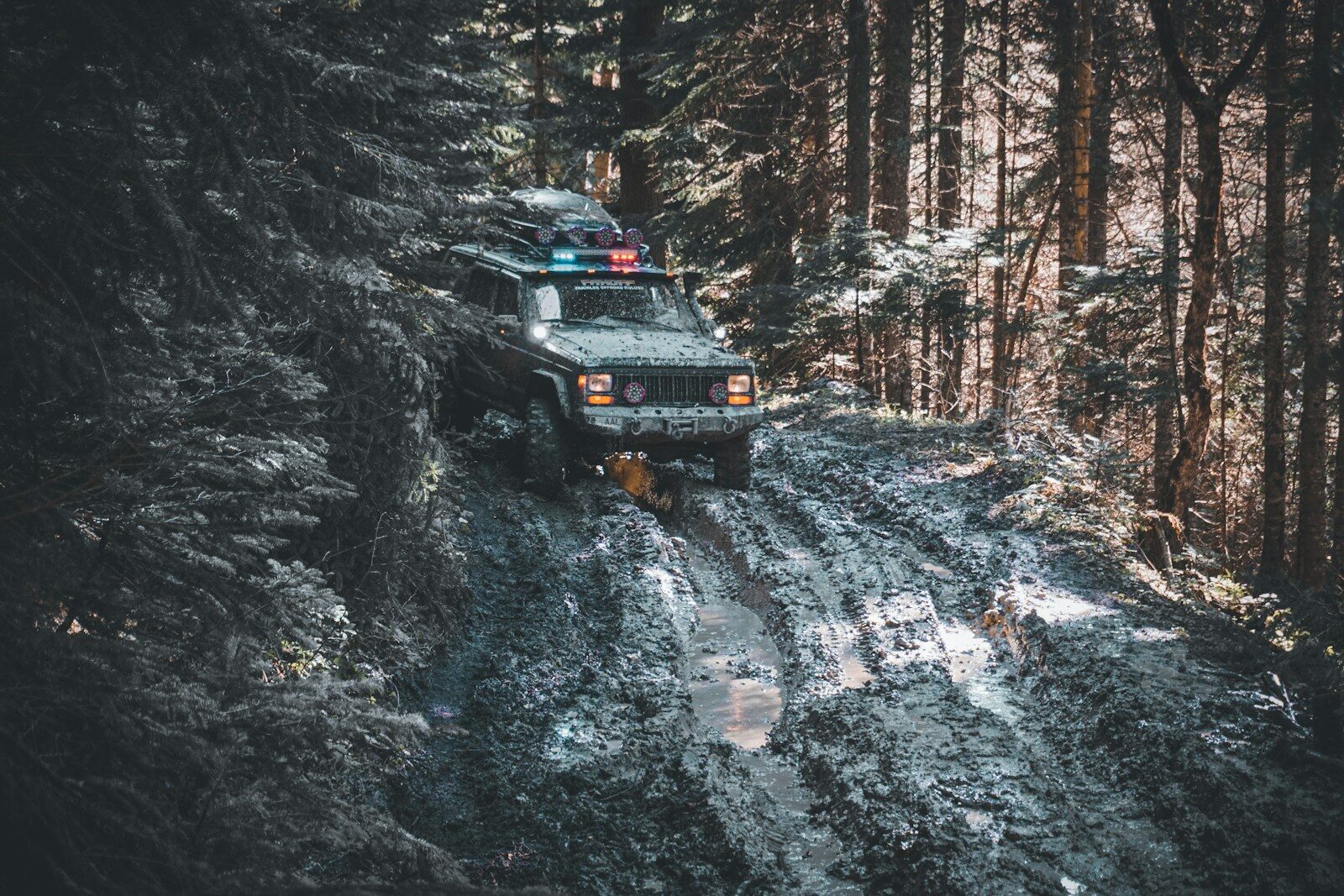
Everyone loves buying off-road parts until they’re buried to the axles in mud two hours from pavement with a shovel they left at home. Getting stuck isn’t an if, it’s a when – so here’s the recovery gear that actually earns its place in your rig, and the stuff you can leave on the shelf.
The stuff you absolutely need
Start with recovery boards. Wedge them under a spinning tire and they’ll claw you out of sand, snow, or mud with zero drama and zero second vehicle required. Add a kinetic recovery rope, which stretches to yank a stuck truck free using stored energy – far safer and gentler on your frame than an old-school tow strap.
Check This Out: Best Dash Cams of 2026: How to Choose the Right One for Your Vehicle
Then get proper rated shackles (soft shackles are lighter and won’t turn into a projectile), a solid folding shovel, a tire deflator and compressor for airing down and back up, and heavy gloves. That kit alone handles the overwhelming majority of trail situations.
The stuff that’s optional
A winch is glorious and genuinely invaluable if you wheel alone in serious terrain – but it’s heavy, expensive, and overkill for mild trails. Buy it when you actually need it, not to look tough in a parking lot.
The stuff that’s a waste
Read Next: The 10 Best Outdoor Knives of 2026: Top-Rated Picks for Hunting, Camping, and Survival
Skip the bargain-bin tow straps with sewn hooks (they fail under load), novelty carbon-fiber trinkets, and anything not load-rated. In recovery, cheap gear isn’t just useless, it’s dangerous – a snapped strap can kill someone.
Once you’ve got the recovery basics sorted, round out the rig with a proper sleep setup from our overland sleep guide, and if you’re shopping for a trail truck, run it through our used vehicle inspection checklist first. Even a well-built rig can end up like the Colorado pickup with an uninvited passenger – the outdoors is unpredictable.
The bottom line
Buy the boards, the rope, the shackles, and the shovel first. Everything else is a luxury until the day it isn’t.
About the Author