Photo: Bruxton via Wikimedia Commons, CC0
A Lynn, Massachusetts, police officer has resigned after an Internal Affairs investigation into searches of the city’s Flock license plate reader system, joining a growing list of officers who left their departments over Flock lookups without facing charges. Lynn police have not named the officer or said what plates were searched, or why.
The two other Lynn officers caught up in the same review were disciplined after separate internal investigations substantiated policy violations against them, according to the department’s account as reported by Boston 25 News on Nov. 23. The findings in all three cases went to the Massachusetts Peace Officer Standards and Training Commission, the state board that certifies police. Police Chief Christopher Kelly announced the resignation, The Daily Item reported.
That leaves Lynn drivers with a short public record. Three officers were investigated, one quit, and the department has described the conduct only as violations of policy. What happens to the officer who left is now up to the state, and what happens to the cameras is up to the city council, which has a clock running.
Lynn’s audit flagged the searches in August
Lynn turned on Flock Safety’s Audit Assist tool on Aug. 12. Its first run turned up anomalies, and a closer review found what the department called a “concerning pattern in some searches,” according to the statement police released at the time. Two officers were placed on paid administrative leave, and the department cut access to supervisors at the rank of lieutenant and above. The department’s latest account, as Boston 25 reported it, says three officers were placed on leave. Lynn has not publicly explained when the third was added.
The audit also reached outside the city. Lynn had shared its system with detectives in neighboring Swampscott, and Swampscott Officer John Cassidy Jr. was not among the people authorized to use it, the Swampscott department said in a Nov. 9 release reported by Boston.com. Swampscott put him on leave Aug. 18 after Lynn flagged his access. Its internal investigation sustained findings of conduct unbecoming an officer, untruthfulness, conflict of interest, violation of a direct order and harassment. He resigned, and Lynn revoked Swampscott’s access to its cameras.
A Swampscott officer using Lynn’s cameras was indicted
On Nov. 19, an Essex County grand jury indicted Cassidy on five counts of requesting or obtaining criminal offender record information under false pretenses and six counts of unauthorized access to a computer system, District Attorney Paul F. Tucker announced. The indictment alleges he accessed the databases between January 2024 and October 2026, and six of the charges identify Flock, The Boston Globe reported. The DA’s office said he will be arraigned at a later date, and he is presumed innocent.
Neither Lynn’s announcement as reported nor the Essex DA’s public releases mention a criminal referral for the Lynn officer who resigned. For now, the officer who used Lynn’s cameras from another department faces 11 criminal counts, and the Lynn officer who resigned faces none that have been made public.

Resigning sends the case to the POST Commission
Quitting before discipline does not end the matter in Massachusetts. Under the 2020 police reform law, when an officer resigns before an internal investigation is finished or before discipline is imposed, the chief must immediately send the POST Commission a report that includes the officer’s full employment history, a description of what led to the resignation, and a recommendation: retraining, suspension or revocation of the officer’s certification. Without an active certification, a person cannot work as a police officer anywhere in the state.
That report is the document that decides whether Lynn’s officer can wear a badge in another town next year. Lynn has said it sent POST the findings. It has not said publicly what it recommended.
What Massachusetts law makes a crime
The two statutes in the Cassidy indictment show where a bad search turns into a criminal case. The state’s computer-access law makes it a crime to knowingly access a computer system without authorization, and it treats a password or login requirement as notice that access is limited to authorized users. The penalty is up to 30 days in a house of correction, a fine of up to $1,000, or both. The criminal records law carries more: up to a year in jail, a fine of up to $5,000, or both, for each offense of obtaining someone’s record under false pretenses.
The CORI statute exempts an officer acting in good faith in the course of official duties. That is why written search rules matter in court as well as in personnel cases. Lynn’s updated policy, adopted Sept. 29, requires every user to log a reason and a case number for each search and bars searches for personal reasons or harassment, The Daily Item reported. A search with no case number behind it is now easier to prove was outside an officer’s authorization.
Stow, Revere, Swampscott and Lynn in one season
Lynn’s case is the latest in a cluster around Boston. In Stow, Officer Jason Rogers resigned Aug. 26 ahead of a termination hearing after an internal investigation into his use of Flock and other databases to look up someone he knew; the department sent its report to POST and ended its relationship with Flock. In Revere, police said an internal investigation found Officer Michael Tiso violated the department’s plate reader and records policies, and reported the case to POST.
The national pattern runs the same way. Backfire News has covered a Milwaukee officer who resigned after running a woman’s plate 179 times and a North Carolina detective who was fired and later indicted. In several of them, the department’s own search logs caught the officer. Lynn’s did too.
Kelly has defended the cameras. He said the system has helped Lynn police find stolen cars and identify suspects, including in a case where a stolen vehicle had a 6-year-old child inside, Boston 25 reported.
Lynn’s contract, its records and the council’s deadline
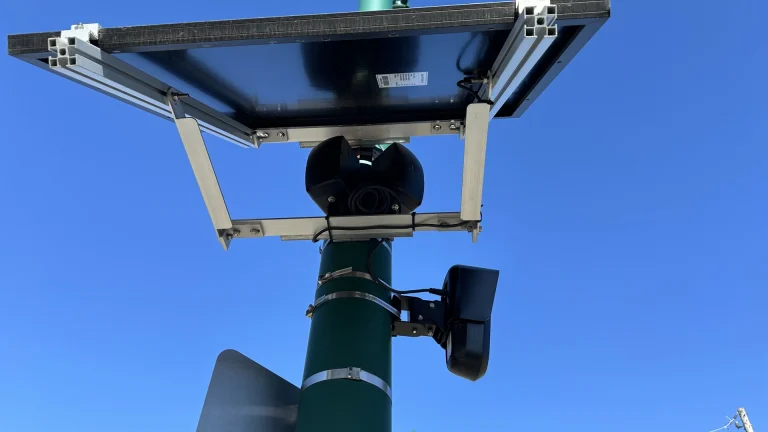
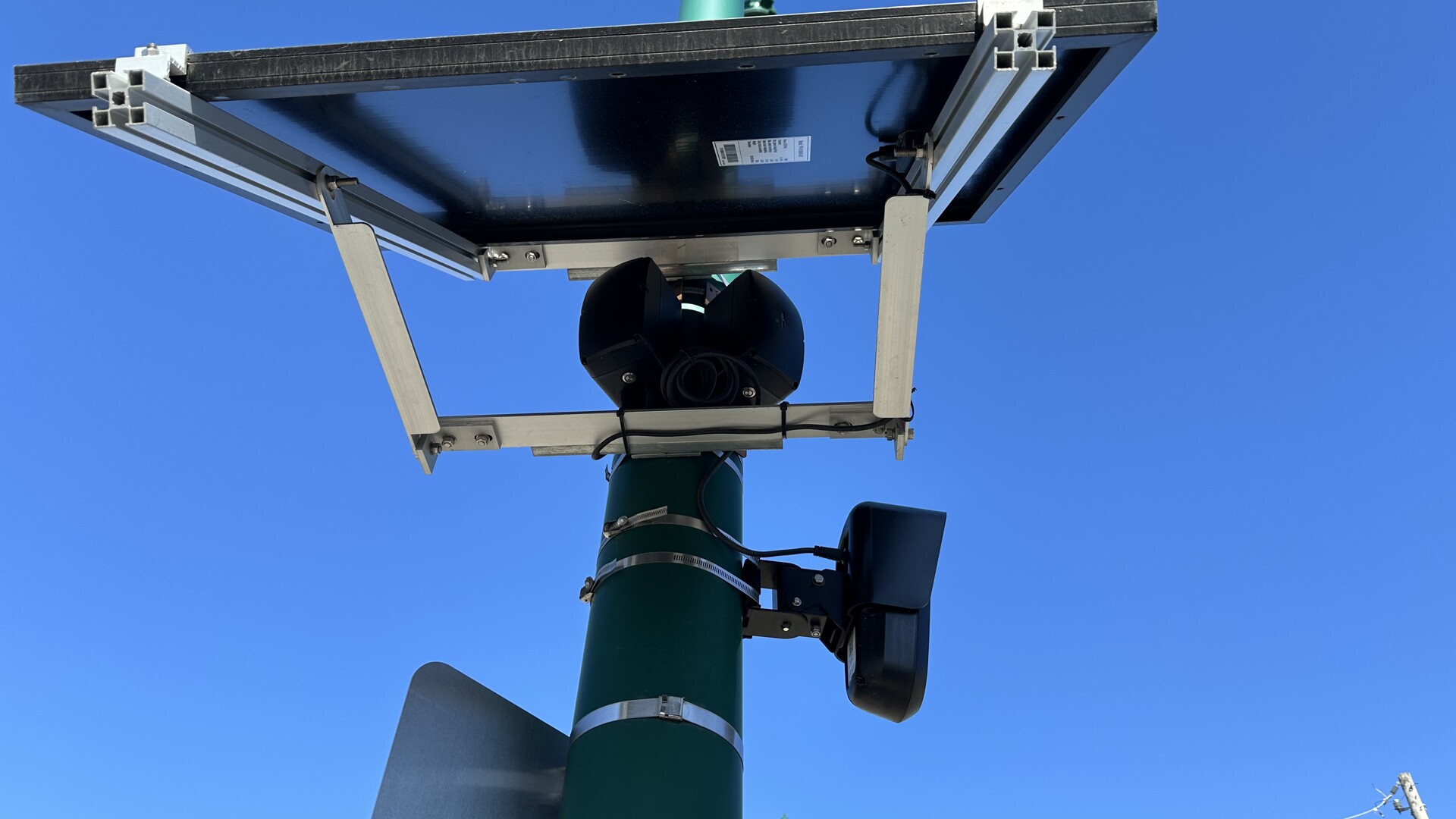
Lynn runs 23 Flock cameras under a contract that runs to June 29, 2028, at about $30,000 a year, The Daily Item reported in October, citing city paralegal John Slatterly. The two-year price was $64,000 with installation, and the city can end the deal. Taking all 23 cameras down would cost about $12,000, or $500 each.
The new policy keeps bulk plate data for seven days, down from 30, requires weekly audits by the captain of administration, and bars sharing the data outside Massachusetts unless the law requires it. Under that rule, a photo of a driver’s plate taken on a day the driver was not part of any case is gone in a week. The search log is what lasts.
Those logs are the records Lynn has kept from the public. Isa Leshko of North Shore Progressives told the council in October that the department had declined to release its Flock audits because investigations were ongoing. The Internal Affairs cases against Lynn’s three officers are now closed. Cassidy’s prosecution gives the city a reason to hold back his searches. It does not cover the Lynn officers’ searches.
The council voted unanimously on Oct. 13 to give the city’s legal department 45 days to present options for oversight and handling misuse, to require police updates over 90 days, and to take the issue up again in full within 90 days. By Backfire News’s count, that puts the legal deadline at Nov. 27 and the full review around Jan. 11, 2027. At the State House, H.3755, a bill that would set statewide rules for plate readers, was reported favorably by committee on March 23, 2026, and has sat in House Ways and Means since.
An officer quit over Flock searches, and Lynn won’t say whose plates were run. If one was yours, would you want a letter?
About the Author