Eight years ago, Chrysler’s parent company told the world it was going to fill an old spark-plug-plant-turned-supercar-shop on Detroit’s east side with the family silver. Then it locked the door. What’s changed this month isn’t the plan. It’s that somebody finally called a fire marshal.
Stellantis design chief Ralph Gilles, speaking to reporters during a tour of the automaker’s Auburn Hills campus, said the Conner Center needs work before anyone outside the badge gets in: “There’s a few details we have to fix with the building for fire code, because it was set up as a plant, not a public space.” He said that work is happening this summer, with “select events to start the process of opening it.” Tim Kuniskis, who now runs the American brands, was less committal when he told the paper the collection is “TBD.” Corporate then split the difference, with spokesman Dale Jewett saying the company is “actively exploring opportunities to welcome visitors.”
Translation: the cars are ready. The building isn’t.
What’s actually behind the fence
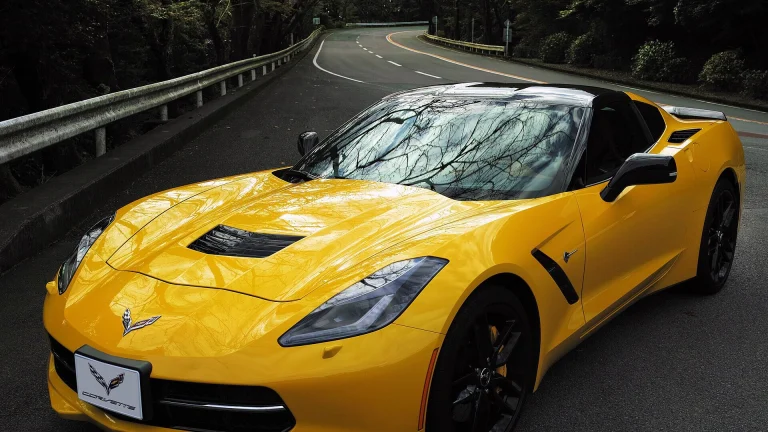
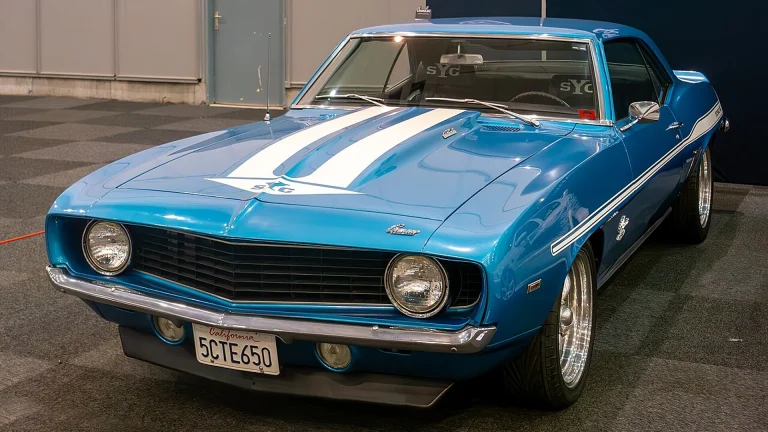
The numbers come straight from the company. When FCA announced the conversion in a 2018 press release, it said the site would consolidate roughly 400 concept and historic vehicles under one roof, with display space for 85 of them. About 77,000 of the plant’s nearly 400,000 square feet were set aside for showing cars; another 22,000 square feet of old administrative offices became meeting rooms. The oldest car in the collection is a 1902 Rambler, an inheritance from the American Motors side of the family tree that most people forget Chrysler owns.
Related Articles
- An Ohio Dealer Lost a Dodge Charger in 37 Minutes, and the Blinking Headlights Tell You How
- NASCAR Just Sued Nobody in Particular — and That’s the Whole Point
That 85-of-400 ratio is the part enthusiasts should sit with. It isn’t stinginess. Museum display math runs roughly 900 square feet per car once you account for sightlines, aisle width, and the wheelchair-accessible circulation path the code demands. A tightly packed storage row can hold three or four times that density. Everything above 85 lives in the equivalent of a very expensive parking deck.
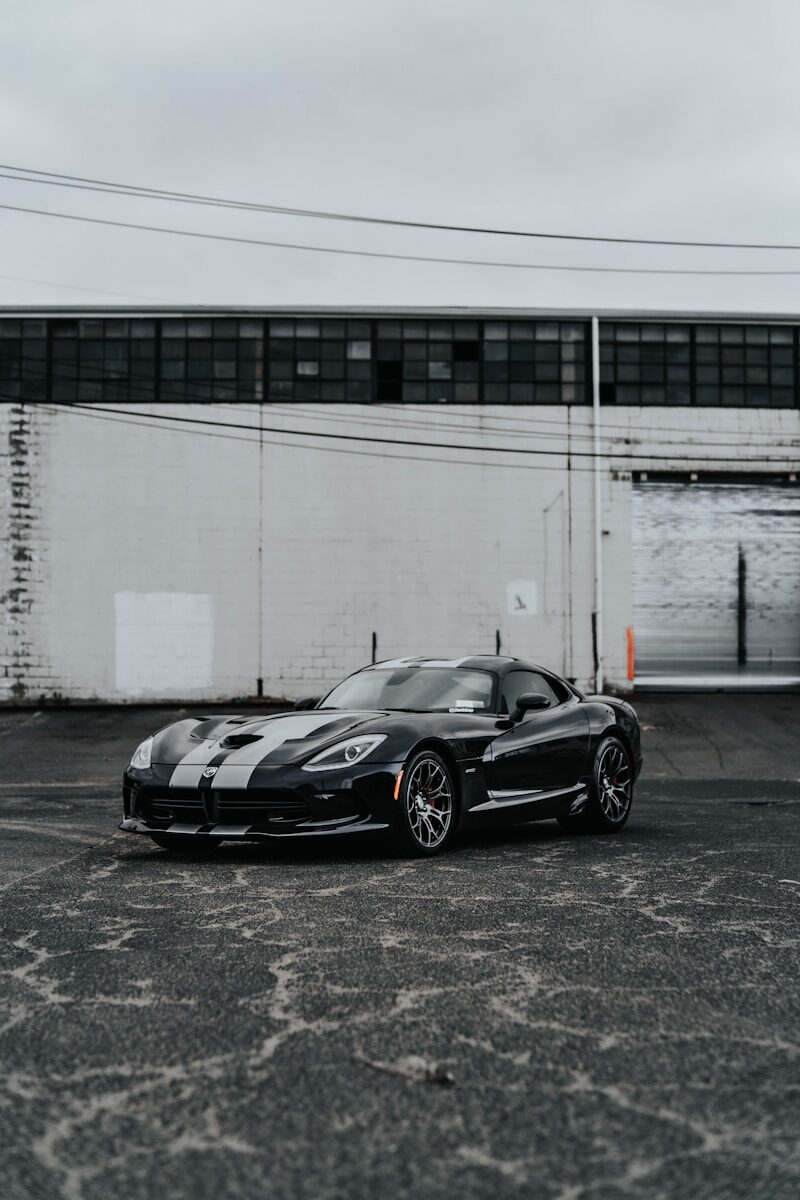
The building itself has a better résumé than most museums. It went up in 1966 as a Champion spark plug facility, and Chrysler took it over to hand-build the Viper starting in 1995, later adding the Plymouth Prowler. Dodge’s own assembly-line writeup noted that more than 24,000 Vipers had been built there through 2014, with the V10 assembled in six stations and every engine dyno-tested before it went into a car. Viper production ended August 31, 2017. The last one built, paired with the last Challenger SRT Demon, brought $1 million for the United Way at Barrett-Jackson the following June.
Why “fire code” is not a two-week job
Gilles wasn’t dodging. He was describing a change of occupancy, which is one of the more expensive sentences in commercial construction.
Michigan adopted the 2021 International Building Code by reference, effective April 9, 2025. Under that code, an assembly plant lives in Group F. A museum lives in Group A-3. Those are not neighbors. A factory’s egress is designed around a known, trained, badge-carrying population that runs fire drills. Assembly occupancy is designed around strangers who have never been in the building, some of whom are pushing strollers.
Run the code’s own arithmetic and you see the problem. The occupant load factor for an exhibit gallery is 30 square feet per person, net. A 77,000-square-foot display floor pencils out somewhere north of 2,000 occupants before you deduct anything. Every one of those theoretical people needs exit doors that swing the right way, panic hardware, illuminated signage, emergency lighting on backup power, and aggregate exit width sized to the load. A-3 triggers sprinklers at 12,000 square feet of fire area — a threshold this building blew past when Lyndon Johnson was president, though a plant’s existing suppression design is aimed at machine oil and paint booths, not at parked cars and crowds. Add Michigan’s barrier-free requirements, restroom fixture counts sized for public occupancy rather than 150 line workers, and a fire alarm system with voice evacuation, and “a few details” starts looking like a permit set and a seven-figure invoice.
Bluntly: this is why the 2018 release used the words “could also open its doors to the public in the future” and then went quiet for eight years. Nobody wanted to write that check.
The part nobody sees
Storing 400 cars is not the same as owning 400 cars, and this is where the collection earns its keep or doesn’t. Modern pump gas with ethanol content starts phase-separating within months in a partially filled tank, and the resulting water layer sits right where the fuel pickup is. DOT 3 and DOT 4 brake fluid are hygroscopic, pulling moisture out of the air through the reservoir vent and quietly corroding ABS units from the inside. Tires flat-spot under static load, which is why serious collections either roll cars periodically or park them on cradles. Battery tenders are mandatory on anything with a modern body control module.
The practical takeaway for anyone storing their own car: fill the tank to limit vapor space, use a stabilizer if it’ll sit past a season, flush brake fluid on time regardless of mileage, and inflate to the sidewall maximum for long-term parking, then drop it back before driving. A collection this size needs a full-time crew doing exactly that, which is a recurring operating cost with no revenue attached — precisely the math that killed the Walter P. Chrysler Museum twice.
Related Articles
- 10 Best Oscillating Multi-Tool Accessory Deals for Your Rig Toolbox
- Liberty Media Settles Las Vegas Grand Prix Lawsuit for $3 Million — But Won’t Admit the Drain Cover Was Its Fault
There’s an insurance wrinkle too. A private corporate storage facility and a public attraction carry very different liability profiles, and general liability premiums scale with foot traffic. Agreed-value coverage on 400 irreplaceable vehicles is one line item; premises liability for thousands of visitors walking among them is another entirely. That cost doesn’t disappear because the building is free.
The Detroit Three scoreboard
Stellantis isn’t uniquely guilty here. GM’s own site describes its Heritage Center as closed to the public. And The Henry Ford, the one Detroit collection that actually sells tickets, states plainly that it is not affiliated with Ford Motor Company — it’s an independent nonprofit with an endowment, a board, and admission revenue. That’s the model that works. Corporate collections funded out of a marketing budget get cut the first time a quarter goes sideways.
For buyers, the relevant signal is provenance. Anything that leaves a factory collection with paperwork carries a premium, and Viper values have been climbing steadily — auction results for final-year 2017 cars have been landing in the mid-six figures. If Conner Center opens and Stellantis starts thinning duplicates, that’s a market event worth watching.
Until the fire alarm passes inspection, though, it’s still 400 cars in a warehouse with a nice story attached.
About the Author