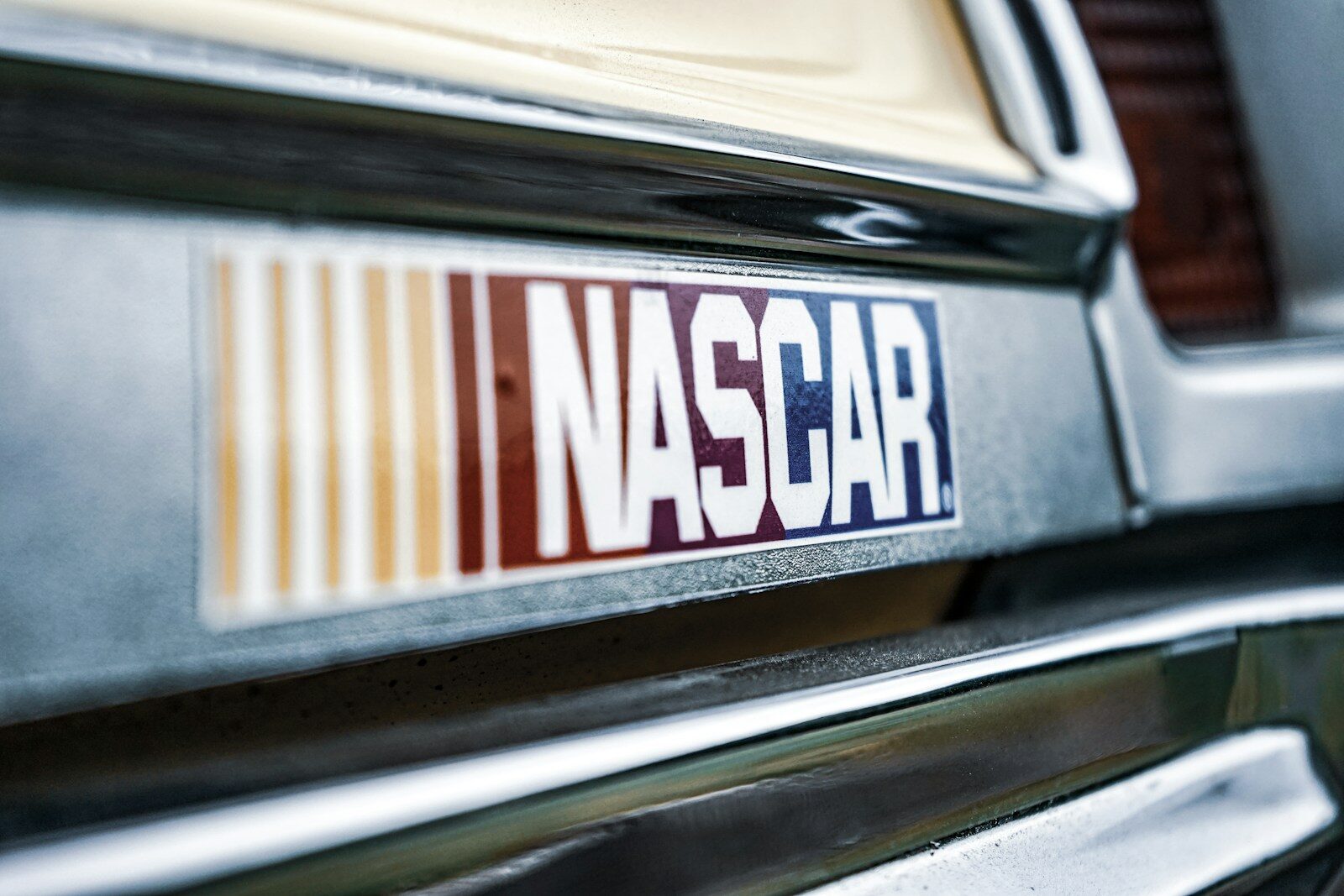
NASCAR walked into federal court in Charlotte this week and sued a pile of defendants it can’t actually name yet. That’s not a paperwork screwup — it’s a deliberate legal maneuver known as a “Schedule A” lawsuit, and NASCAR is leaning on it hard to go after what it describes as a sprawling, coordinated counterfeit merchandise operation.
The suit, filed in the U.S. District Court for the Western District of North Carolina, lists its targets only as individuals, corporations, limited liability companies, partnerships and unincorporated associations identified on a schedule attached to the complaint. That schedule, naming exactly who’s being sued, along with the exhibit showing the alleged knockoff products, has been pulled from the public docket entirely. So even though the case itself is unsealed, nobody outside the courthouse and NASCAR’s legal team currently knows who’s actually being accused.
That anonymity is the entire point. Schedule A suits started as a tool for luxury brands trying to shut down knockoff sellers on online marketplaces faster than those sellers could rename themselves and pop back up under a new alias. The playbook: file against a batch of anonymous storefronts at once, ask a judge for expedited discovery before the defendants even know they’ve been sued, then subpoena marketplaces and payment processors to unmask who’s actually running the accounts and freeze whatever money is sitting there before it moves. Sports leagues and apparel companies adopted the same tactic once they realized licensed merchandise gets knocked off just as aggressively as designer handbags.
NASCAR’s complaint leans into that framing. It accuses the defendants of running a “systematic and coordinated mass counterfeiting and infringement campaign” that violates the Lanham Act, the federal law governing trademarks, by selling unauthorized gear through fake online storefronts built to mimic official NASCAR retailers. According to the filing, the sellers blur NASCAR’s logos on product photos to dodge automated image-matching takedown tools, cycle through multiple business aliases to stay ahead of Department of Homeland Security enforcement efforts, and in many cases list company names and addresses that don’t check out at all. NASCAR also alleges the operation stashes profits in offshore accounts specifically to keep them out of reach of U.S. courts, a detail that matters more than it might seem.
Why the Money’s Location Matters
Winning a trademark case against an anonymous seller is one thing. Actually collecting on that judgment is another. If the money already moved to an account outside U.S. jurisdiction before the suit was filed, a favorable ruling can end up being a piece of paper with no teeth behind it. That’s why NASCAR isn’t only asking for damages. It wants the court to order the defendants’ marketplace accounts deactivated, their advertising pulled, and search engines blocked from surfacing their storefronts when someone searches for NASCAR gear. Cutting off the sales channel matters more than winning a check that may never get cashed.
NASCAR has already run this play once this year. Earlier in July, a separate Schedule A case the organization filed in New York resulted in a preliminary injunction against a group of identified resellers, barring them from manufacturing, advertising or selling the disputed products. The Charlotte filing looks like the same enforcement program simply expanding to a new batch of targets.
A Judge Who Already Knows NASCAR’s Legal Team Well
The case has landed in front of U.S. District Judge Kenneth Bell, which is a small irony worth noting. Bell spent much of last year presiding over NASCAR’s antitrust fight with Front Row Motorsports and 23XI Racing, a case that ended in a midtrial settlement establishing permanent racing charters for teams. That fight was about how NASCAR splits power and money with the organizations that field its cars. This one is about protecting the retail side of the business from people who have no relationship with NASCAR at all. Same courthouse, same judge, a completely different flavor of headache for the sanctioning body’s legal department.
It’s also not the only legal fire NASCAR’s world is dealing with right now. Joe Gibbs Racing and Spire Motorsports are mid-fight over allegedly stolen competitive data, and the fallout from Legacy Motor Club’s dispute over a blocked charter sale is still working its way through court. None of these cases are related to one another, but taken together they say something about where NASCAR sits at the moment: a sport whose business side is getting fought over almost as hard as anything happening on the track.
What It Means If You’re Buying NASCAR Gear Online
For fans, the practical takeaway is simple caution. Counterfeit racing merchandise is usually easy to spot once you know what to look for: prices that undercut official retailers by a wide margin, storefronts with no verifiable business address, product photos where the NASCAR logo looks slightly smudged or off-center, and listings that vanish and reappear under a different seller name every few months. None of that gear carries the licensing fee that actually funds the sport, and buyers have zero recourse if the stitching falls apart after two washes. NASCAR’s licensing revenue helps fund the same charter payouts and prize pools teams have spent the last two years fighting over in court, so buying the knockoff isn’t just a quality gamble. It’s money that never reaches the sport at all.
Whether Judge Bell grants NASCAR the same kind of injunction that worked in New York remains to be seen, but given that the template already succeeded once this year, there’s little reason to expect a different outcome this time.
About the Author