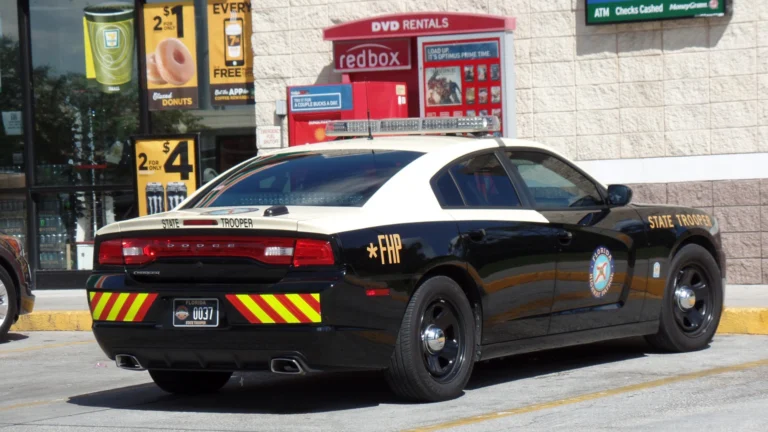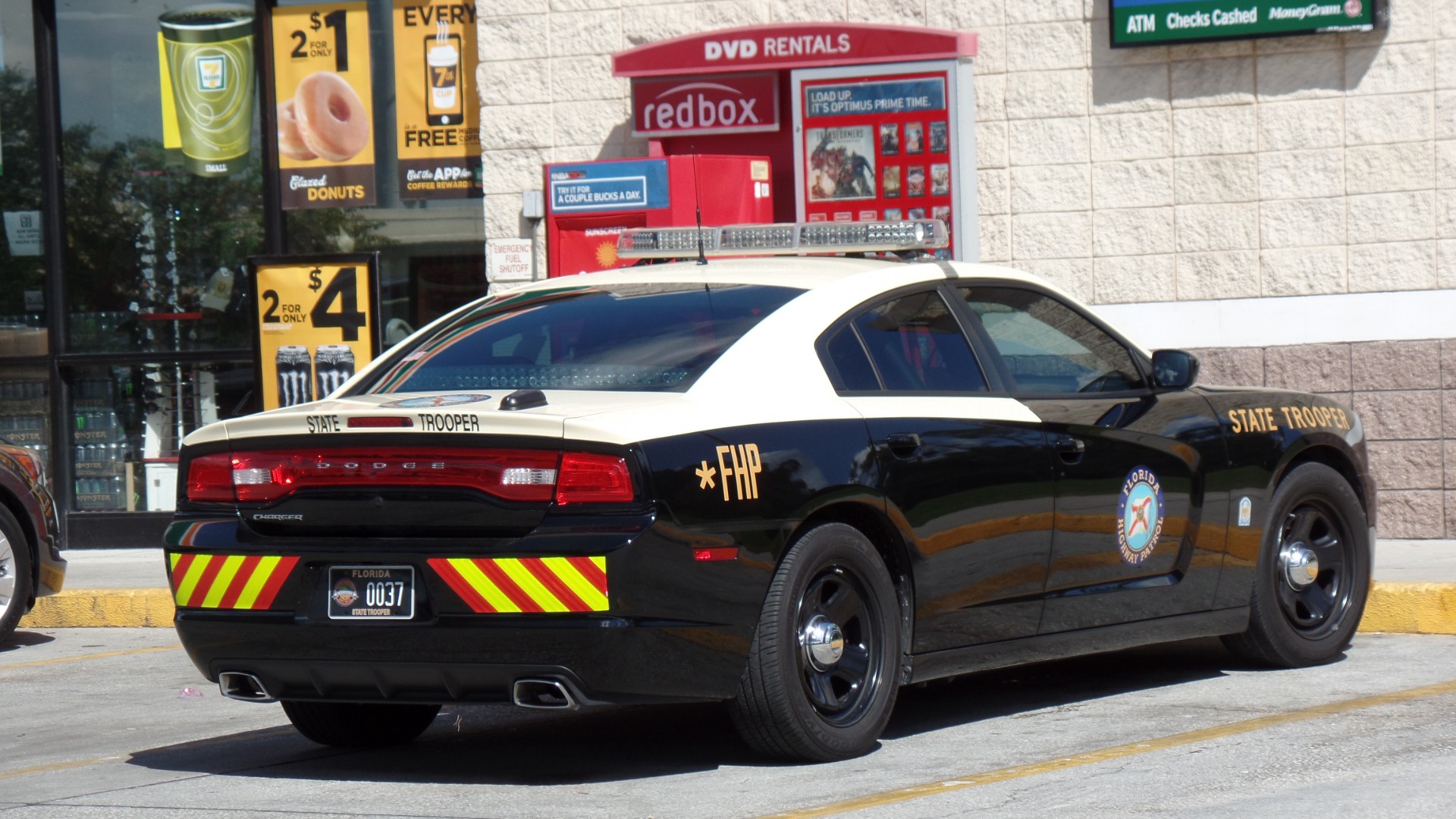
A Florida Highway Patrol Dodge Charger in a file photo, not a vehicle from this case. Photo: Rich Menga / Wikimedia Commons (CC BY 2.0)
A 15-year-old with a learner’s permit was driving his mother’s Chevrolet Traverse on State Road 54 in New Port Richey, Pasco County, Florida, at about 3:45 a.m. on July 26 when a Florida Highway Patrol trooper saw it doing 74 mph in a 45 zone, according to a local news report and the Tampa Bay Times. FHP says the driver did not stop when the trooper tried to pull him over and reached speeds of up to 115 mph. The trooper then used a PIT maneuver. The SUV rotated onto the south shoulder, hit a utility pole and struck a tree. The driver’s 15-year-old passenger died, and the driver was seriously injured.
Neither boy wore a seat belt, and FHP said there was alcohol in the SUV but not whether either boy had been drinking. The Times reported that the boys took the car without permission after a sleepover. FHP has not identified the trooper, and the Times said it is unclear how fast the SUV was traveling when the PIT was performed. FHP told Tampa Bay 28 that its investigation remains active, and the station reported that agency policy requires an internal review after a fatal pursuit, including whether the trooper followed policy. As of the Times’ Nov. 2 story, the State Attorney’s Office had not received the investigation and had made no charging decision on the driver.
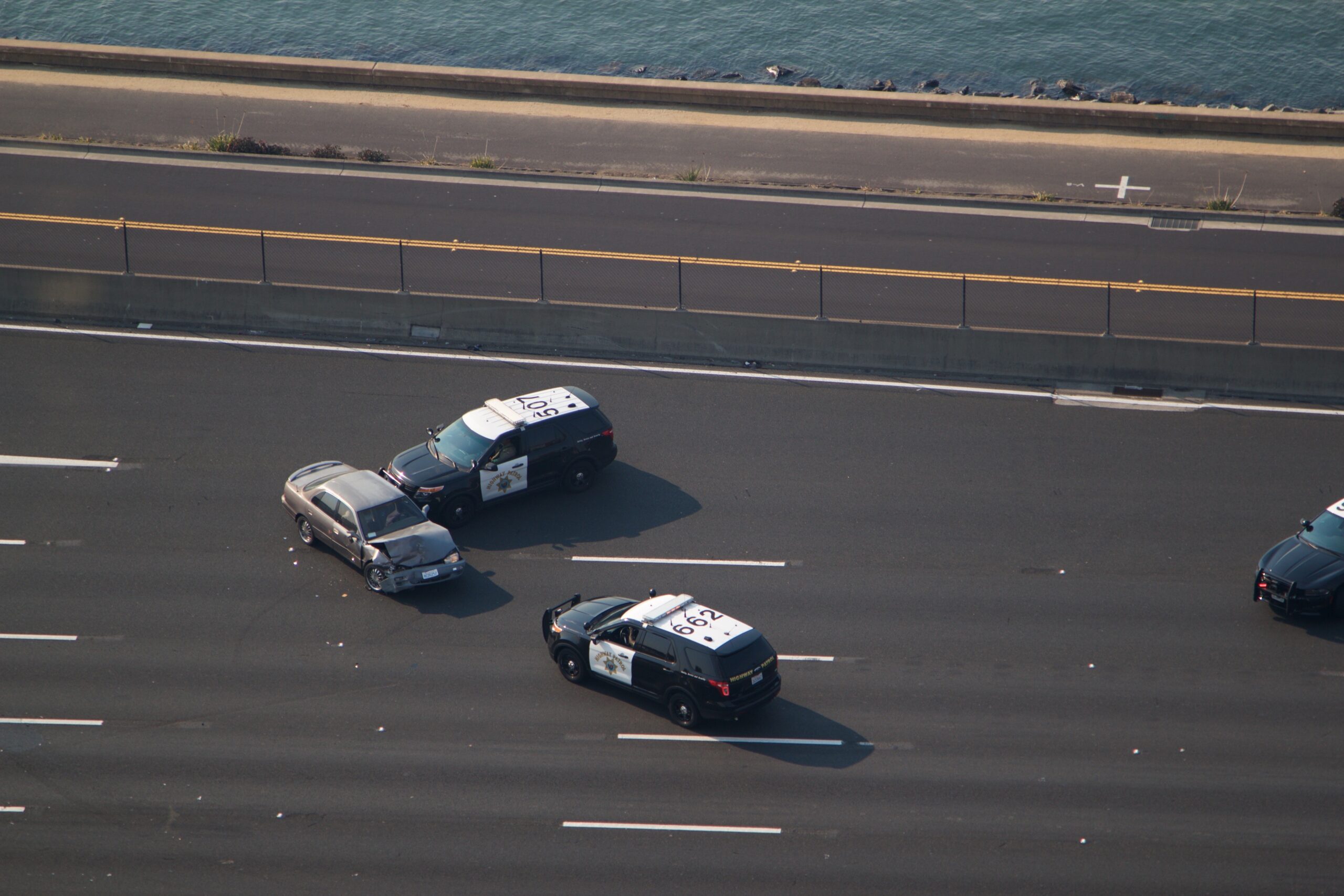
The count since FHP rewrote its chase rules
The Times story also carries a tally: 34 people killed in FHP pursuits in the nearly three years since the agency changed its chase policy. The count is a Miami Herald tally built from FHP pursuit data and the paper’s own records requests, and the story does not fully explain the method. By that count, 10 of the 34 were not involved in the chase, nearly one in three, and more than 180 innocent people were injured. At least five of the dead were teenagers. FHP figures cited in the story show seven pursuit deaths in the three years before the change, 17 deaths in 2024 against five in 2023, and pursuits and PIT maneuvers that more than tripled. Backfire News has covered FHP pursuits before, including a PIT that viewers argued over and a pursuit that ended in a collision with a motorcycle.
What the 2022 rules said about starting a chase
FHP’s pursuit rules are public as Policy 17.05. The copy posted on the agency’s website carries an Oct. 11, 2022 revision date, and its test for starting a chase is narrow: a member must reasonably believe the driver committed a felony, reckless driving under section 316.192 or DUI under section 316.193, and the text says “ALL OTHER PURSUITS ARE PROHIBITED.” The decision to start must rest on the violator’s actions before the attempt to stop the vehicle. Running after the lights came on did not, by itself, count.
WFTV reported that the version effective Dec. 22, 2023 dropped that gate, so a pursuit can begin once someone flees if troopers judge it safe and appropriate. According to the Times, the current policy treats the PIT as the primary technique for ending a pursuit and lets troopers chase or ram any driver who refuses to stop, regardless of the original offense. Other Florida agencies draw tighter lines, the Times reports: Miami Police limit pursuits to violent felons and allow a PIT only when deadly force is justified, the Miami-Dade Sheriff’s Office forbids PITs and front-bumper ramming, and the Palm Beach Sheriff’s Office treats forcing a stop as deadly force and a last resort.
FHP has not said which offense the trooper relied on in Pasco. The public record shows a speeding stop, flight, and alcohol in the car, with no violent crime reported. I can’t say the 2022 rules would have ended this chase before it started. Under the current policy, as WFTV and the Times describe it, nobody has to answer that question first.
What the driver faces
Florida’s fleeing statute, section 316.1935, makes it a third-degree felony to flee a marked patrol car that has its lights and siren on. Fleeing at high speed or with wanton disregard for safety is a second-degree felony. If it causes serious bodily injury or death, it is a first-degree felony with a three-year mandatory minimum, and a conviction requires revoking the driver’s license for one to five years. Whether and how any of that applies to a 15-year-old is for prosecutors to decide, and none has. Family members quoted by the Times blame the trooper and have asked that the driver not be jailed.
The licensing rules he was breaking sit at the other end of the scale. Under section 322.1615, a learner’s permit holder needs a licensed driver at least 21 years old in the front passenger seat and, after the first three months, cannot drive past 10 p.m. The penalty for breaking those rules is the civil penalty for a moving violation under chapter 318. A 15-year-old driving at 3:45 a.m. with a 15-year-old beside him is a ticket; running from a trooper is a felony.
Reviews and decisions still pending
FHP’s internal review will measure the trooper’s actions against policy. The 2022 text of Policy 17.05 has troop commanders review every pursuit for compliance and has supervisors file a pursuit report on form HSMV 61141, though FHP has not said when this review will finish. The State Attorney’s Office has to decide whether to charge the driver. The medical examiner has withheld the autopsy, citing the open investigation, according to the Times.
Images via: Rich Menga (featured, a Florida Highway Patrol Dodge Charger in a file photo, not a vehicle from this case) and Jose Camões Silva (in-article), both Wikimedia Commons, CC BY 2.0.
Should a Florida trooper be allowed to PIT a fleeing driver at highway speed when the stop began with a speeding violation, or should the chase end before contact?
About the Author