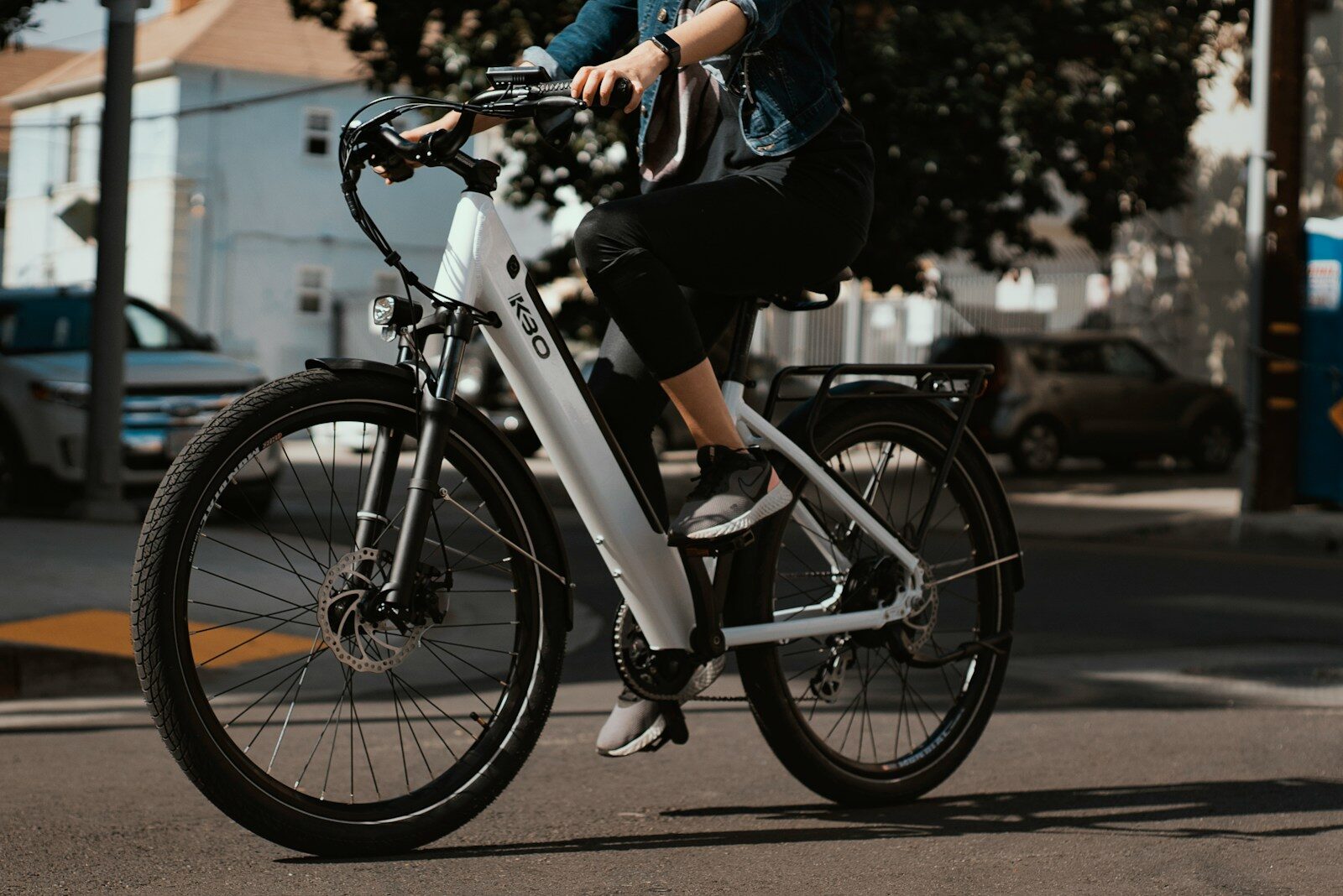
Todd Spitzer has spent his career as Orange County’s top prosecutor locking people up, not running consumer trade-in events. But on September 13, his office is setting up at Angel Stadium to pay out as much as $1,000 in gift cards for e-bikes, e-motorcycles, pocket bikes, and e-scooters. No questions asked. Working or not. Names entirely optional. It’s called BUY BACK SAFETY, and it’s the most aggressive response yet to a problem that has quietly been overwhelming Southern California emergency rooms.
The format is borrowed from a familiar law enforcement playbook. Police departments have run gun buyback programs for decades, trading gift cards for firearms nobody wants sitting in a closet. Orange County just swapped the pistols for two-wheelers, and it’s paying for the whole thing with asset forfeiture funds seized from criminal enterprises rather than tax dollars. That funding detail says something: the DA’s office is treating illegal e-motos as a public safety problem serious enough to justify the same financial tool used to dismantle drug and gang operations.
The payout scale doubles as a crash course in a classification system most owners never bother to learn. Pocket bikes and homemade mini-bikes bring $200 in gift cards from Target, Walmart, or Dick’s Sporting Goods. Class 1 e-bikes are worth $300, Class 2 e-bikes $400, and Class 3 e-bikes $600. Anything that gets classified as an e-motorcycle tops the list at $1,000, with law enforcement on site making that call. The spread isn’t random, it roughly tracks how much legal exposure each category actually carries.
California draws that line using three factors: motor power, top speed, and whether the bike still has operable pedals. A Class 1 e-bike offers pedal assist up to 20 mph with no throttle, a Class 2 adds a throttle capped at the same 20 mph, and a Class 3 allows pedal assist up to 28 mph but requires riders to be at least 16. Once a bike’s motor exceeds 750 watts, or it can hit more than 20 mph on motor power alone without pedaling, or it’s missing working pedals entirely, or someone has modified it past those limits, it legally stops being an e-bike. It becomes an e-motorcycle, no matter what the sticker on the frame claims.
That reclassification carries real weight. E-motorcycles must be registered with the DMV as off-highway vehicles, carry insurance, and can only be ridden off public roads by someone at least 16 years old holding a valid motorcycle license and wearing a DOT-approved helmet. Get caught outside those lines and the bike doesn’t just earn a ticket, it gets impounded, and Orange County lists storage costs running past $2,600 a month. For a bike that might have cost less than that to buy in the first place, that’s a financially brutal wake-up call.
E-bikes and e-motos are now the leading reason Orange County children are admitted to the emergency room, and related injuries have climbed 430 percent across Southern California in just four years. Not every crash makes news for tragic reasons, a low-speed e-bike spill last year sent Pax Jolie-Pitt to the hospital and served as a reminder that even a minor get-off can land a rider in urgent care regardless of who’s riding. Nationally, more than 100 deaths have been linked to e-bikes and e-motorcycles, and Orange County’s own casualty list includes a 15-year-old passenger killed in La Habra, a 13-year-old rider killed in Garden Grove, and a 21-year-old who died five days after an e-bike crash in Huntington Beach. State crash data shows riders between 11 and 14 account for 61.7 percent of e-motorcycle collisions, despite being legally barred from riding one until age 16.
Spitzer isn’t relying on buybacks alone. His office created a dedicated unit in May called RIDE SAFELY to evaluate criminal charges against riders and their parents, and it’s already busy. Since January, prosecutors have filed child endangerment charges against four parents for knowingly letting their kids ride e-motorcycles illegally. The most serious case involves a Lake Forest mother now facing involuntary manslaughter charges after her 14-year-old son, riding an e-moto she’d been repeatedly warned was illegal, struck and killed an 81-year-old Vietnam veteran; she faces up to seven years and eight months in prison if convicted. A Yorba Linda father is separately facing felony charges and up to six years after his 12-year-old son, riding an e-moto modified to reach 60 mph, ran a red light and was critically injured by a passing car. Both families had already been warned.
Spitzer isn’t shy about where this is headed: “That is not a threat. That is a promise.”
The pressure is also landing on the businesses selling these vehicles. Spitzer’s office has sent warning letters to more than 80 Orange County retailers restating their legal obligations, and investigators will now run periodic inspections. California already prohibits selling parts or devices that let an e-bike exceed its class specifications, the throttle-unlock kits and speed-limiter removal tools that are one search away online. That puts sellers on notice right as the broader e-bike market keeps expanding; recent delivery volumes from newer entrants like Also’s TM-B show how fast mainstream adoption is moving, and nobody moving a modification kit gets to claim ignorance going forward.
Orange County isn’t alone in reaching for new tools instead of just handing out citations. One Southern California city has already targeted organized e-bike group problems with local ordinances aimed squarely at parents, and more counties are likely to follow if this buyback event actually moves the needle on ER visits.
One requirement that’s easy to overlook: regardless of an e-bike’s classification, every rider under 18 in California must wear a helmet. That’s not a universal rule across the country. The patchwork of adult helmet laws exposed after Chad “Chadillac” Solis’s fatal e-skateboard crash in Nevada shows how differently states treat helmet use once a rider turns 18, and California’s blanket under-18 rule is stricter than plenty of states manage for any age group.
For parents who never sat down and looked up their kid’s bike specs, this is the moment to do it. Homeowner’s and auto insurance policies typically don’t cover injuries or property damage caused by an unregistered, uninsured e-motorcycle being ridden illegally on a public street, which means a crash can leave a family covering medical and liability costs entirely out of pocket, on top of the criminal exposure Spitzer’s office has made clear it’s now willing to pursue.
The buyback runs September 13 from 10 a.m. to 1 p.m. at Angel Stadium, 2000 E. Gene Autry Way in Anaheim, with entry off Orangewood Avenue. Gift cards are limited and handed out first-come, first-served, and the first 75 people to surrender a bike also walk away with two tickets to a Los Angeles Angels game. There will be free giveaways and safety information from local law enforcement, healthcare providers, and community partners on site, though for most families showing up, the real prize is getting an illegal, high-powered two-wheeler out of the garage before it turns into a police report.
About the Author