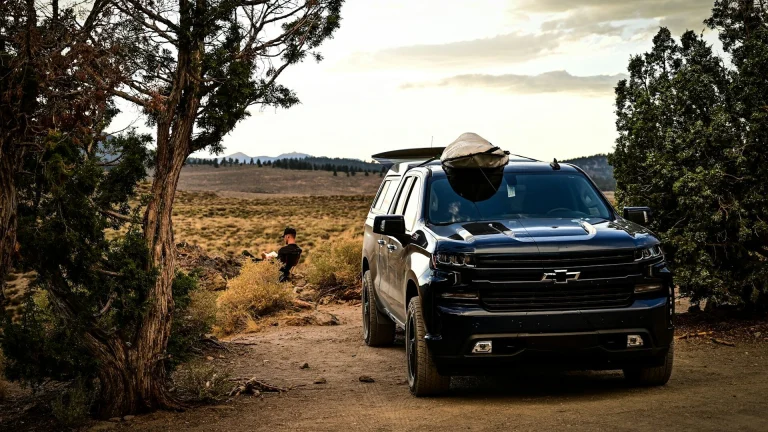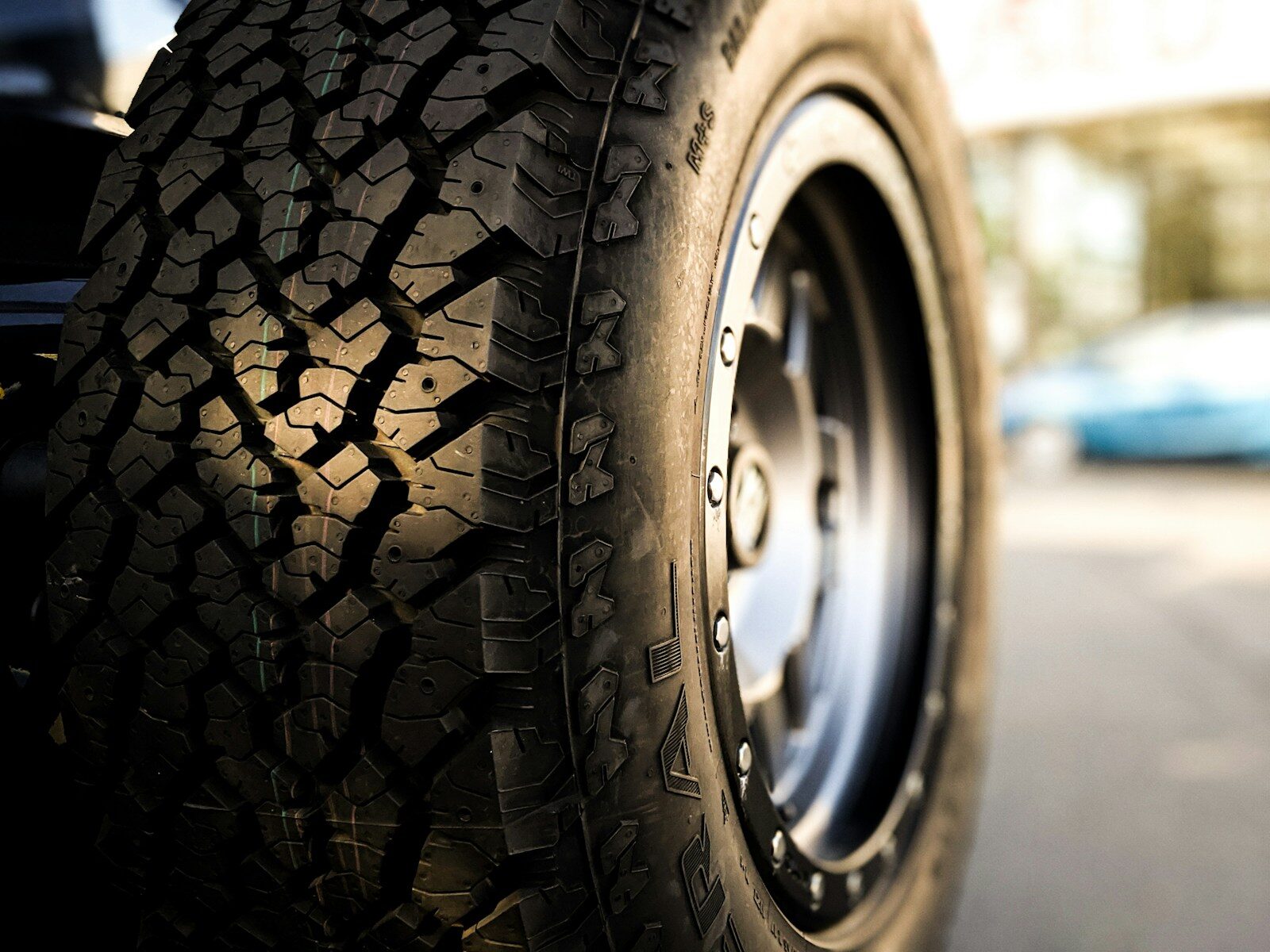
Tires are the single most important upgrade for any truck or SUV that sees dirt, yet they are also the most confusing to shop for. The best all-terrain tires blend everyday road manners with genuine off-road grip, but the right choice depends entirely on how you actually drive. This guide cuts through the marketing to help you pick wisely in 2026.
Check This Out: Best Dash Cams of 2026: How to Choose the Right One for Your Vehicle
Why Tires Matter More Than Almost Anything
Suspension and horsepower get the glory, but tires are the only thing touching the ground. The right rubber transforms capability and safety far more than most bolt-on parts. Before chasing a suspension lift or leveling kit, make sure your tire choice matches your goals.
All-Terrain vs. Mud-Terrain vs. Highway
Highway tires prioritize quiet comfort and long life. Mud-terrains maximize off-road bite at the cost of road noise and tread life. All-terrains sit in the middle, the practical sweet spot for trucks that commute during the week and explore on weekends. For most readers building toward overlanding, a quality A/T is the right call.
How to Read a Tire Size
A code like 285/70R17 tells you section width, aspect ratio, and wheel diameter. Going larger improves clearance but can require fender or suspension work and affects speedometer accuracy. Confirm fitment before you buy, especially if you have added height.
Load Range and Ply Rating
Heavier trucks and those that tow need higher load-range tires for stability and durability. If you tow regularly, review our complete towing safety guide so your tires and trailer setup work together rather than against each other.
Tread Life, Warranty, and the Three-Peak Symbol
Check the treadwear warranty and look for the three-peak mountain snowflake symbol if you face real winter conditions. All-terrains vary widely in winter capability, so do not assume an aggressive look equals snow performance.
Airing Down and Maintenance
Off-road, lowering tire pressure dramatically increases traction and ride comfort. Carry a reliable inflator and deflator, items that pair naturally with the rest of your essential off-road gear and a full recovery kit.
The Bottom Line
The best all-terrain tire is the one matched to your real driving mix. Be honest about how often you actually leave pavement, prioritize the right tread and load range, and you will get capability without sacrificing the daily drive.
The Truth About Tire Noise and Comfort
One of the biggest tradeoffs with all-terrain tires is road noise. The aggressive tread blocks that grip dirt also generate a hum on the highway that grows as the tires wear. Modern A/T designs have improved dramatically, with computer-optimized tread patterns that reduce drone, but you should always expect a bit more noise than a highway tire. If your truck is primarily a commuter, lean toward a milder all-terrain; if it sees real trails, accept some noise as the price of capability.
Tread Life and Rotation
All-terrain tires generally wear faster than highway tires due to their softer compounds and aggressive tread, though quality varies enormously. Regular rotation is essential to even out wear and maximize tread life, and it should be part of the routine outlined in our car maintenance schedule. Keeping tires properly inflated and aligned also extends their life significantly, protecting a substantial investment.
Matching Tires to Your Suspension and Build
Tire choice and suspension work hand in hand. Larger tires often require a lift or leveling kit for clearance, as we explain in our suspension setup guide, and the wrong combination causes rubbing and handling issues. If you tow, factor load range into your decision, a point we stress in our towing safety guide. Think of tires, wheels, and suspension as a single system rather than separate purchases.
Seasonal and Climate Considerations
Where you live should heavily influence your choice. In snowy regions, prioritize the three-peak mountain snowflake rating and consider dedicated winter tires for the coldest months, as covered in our winter driving tips and winterizing guide. In hot, dry climates, durability and heat resistance matter more. There is no universal best tire, only the best one for your conditions and driving mix.
Getting the Most From Your Tires
Once you have chosen, technique extends their value. Air down for traction off-road and reinflate for the highway, rotate on schedule, and inspect regularly for damage. A quality set of all-terrains, properly maintained and matched to a sensible overlanding or daily-driving setup, delivers years of versatile capability. Buy thoughtfully once and you will spend far less than buying the wrong tire twice.
Read Next: The 10 Best Outdoor Knives of 2026: Top-Rated Picks for Hunting, Camping, and Survival
When to Replace Your Tires
Knowing when to retire tires is as important as choosing them. Beyond tread depth, watch for age, since rubber degrades over roughly six years regardless of mileage, and inspect for cracking, bulges, and uneven wear that signal alignment or suspension issues. Driving on worn or aged tires dramatically increases stopping distances and the risk of a blowout, especially under the heavy loads and rough surfaces that off-road and towing use involve. Budget for replacement before your tires become a liability, and treat them as the single most important safety component on your vehicle, because they are the only thing connecting you to the road.
About the Author