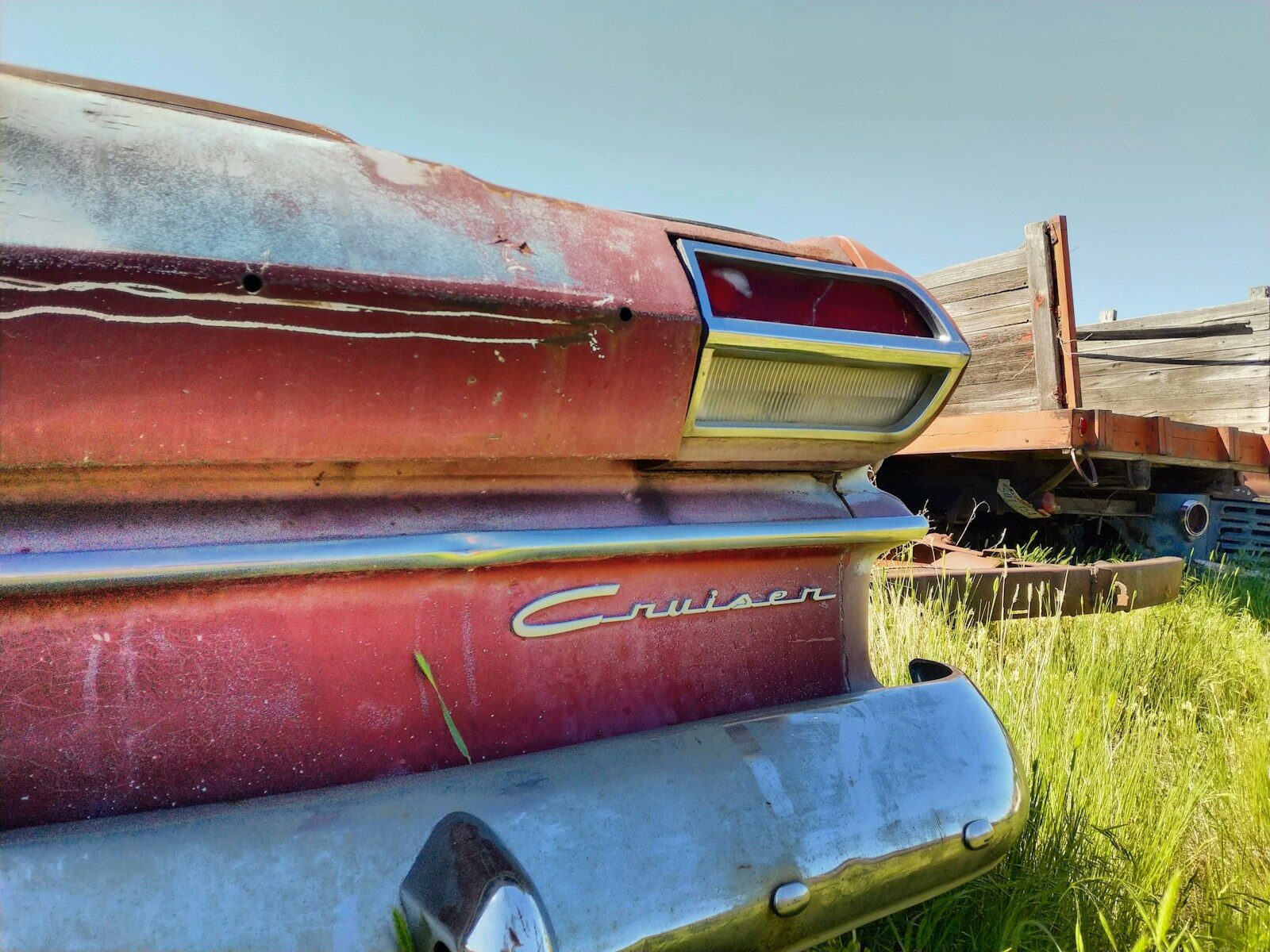
Few stories in the car world capture the imagination like a barn find, a forgotten classic discovered under decades of dust. Behind the romance, though, is a real skill set for separating genuine treasure from an expensive pile of rust. This guide walks through how barn finds surface, how to judge one honestly, and how to decide what to do with it once it’s yours.
Check This Out: Best Dash Cams of 2026: How to Choose the Right One for Your Vehicle
What Counts as a Barn Find
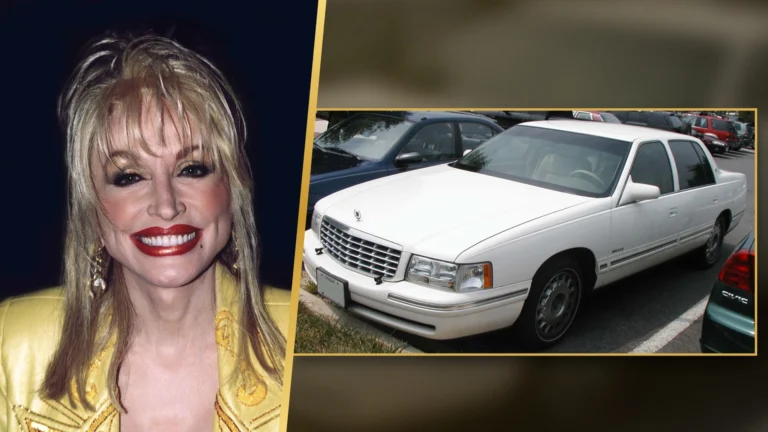
A barn find is any significant vehicle that has been stored, neglected, and largely forgotten, then rediscovered. The appeal is originality and untold history rather than showroom polish. Some carry remarkable provenance, including rock-and-roll and celebrity-owned cars that periodically surface at auction decades after they vanished from public view.
Where They Actually Turn Up
Estate sales, rural properties, deceased collectors’ garages, and forgotten corners of family farms are the classic sources. Networking with local enthusiasts, joining car clubs, and keeping an eye on collector auctions turns up far more genuine leads than waiting around for luck. Word of mouth still beats the internet for finding cars nobody has thought to list yet, and every dead-end lead teaches you something about spotting the next one.
Evaluating Condition Honestly
Surface patina is desirable; structural rust is a deal-breaker. Inspect frames, floors, trunk pans, and suspension mounting points carefully before falling for a good story. A complete, original car with honest wear is often worth more than a poorly executed restoration, a principle that holds true across classic muscle car collecting generally. Bring a flashlight, a magnet, and someone who has done this before if you haven’t.
Originality vs. Restoration: The Preservation Question
The market increasingly prizes preservation over shiny refinishing. A genuine survivor can never be made original again once it’s been fully restored, so think hard before stripping away the very history that makes a barn find worth chasing in the first place. Recommissioning, getting a car safely running and driving while leaving its patina intact, has grown in popularity precisely because it protects that value instead of erasing it. Full restoration still has its place, but it’s a one-way door, and it’s worth being certain before walking through it.
The Restomod Alternative
For barn finds too far gone to preserve or restore to original spec, a restomod build offers another path, pairing the classic body with modern mechanicals. This route works best with more common donor cars rather than genuinely rare originals, since it trades collector-correct value for usability. Some of the great American engines that power today’s restomods can turn a rotted-out shell into a reliable daily driver instead of a permanent garage project.
Verifying What You’re Buying
Check VINs, option codes, and factory documentation before money changes hands. Barn finds attract embellished stories almost by nature, since nobody wants to admit their “one-owner survivor” spent a decade with an uncle who swapped the engine. Confirm clean and transferable paperwork, verify claimed history independently wherever records exist, and budget for a specialist inspection before committing real money. Some of the rarest and most restricted cars ever sold in the U.S. have turned up as barn finds with murky paper trails, which is exactly the kind of car worth double-checking.
The Cost of Bringing One Back
Recommissioning a long-dormant car means fresh fluids, brakes, a fuel system gone bad from sitting, tires, and every rubber seal in the car at minimum. Budget realistically, because the purchase price is often the smallest number in the entire project. Cars that sat for decades tend to hide their worst problems until you’re already committed, so leave room in the budget for surprises.
Why We Keep Chasing Them
Barn finds endure as one of the most beloved pursuits in the car world because they connect us to automotive history in a way no restored show car can. Every one comes with a story, whether it’s a forgotten family heirloom or a once-famous machine nobody remembered to look for. Approach each one with romance in your heart and a spreadsheet in your hand, protect it with proper collector insurance once it’s yours, and the right find becomes the discovery of a lifetime.
Read Next: The 10 Best Outdoor Knives of 2026: Top-Rated Picks for Hunting, Camping, and Survival
About the Author