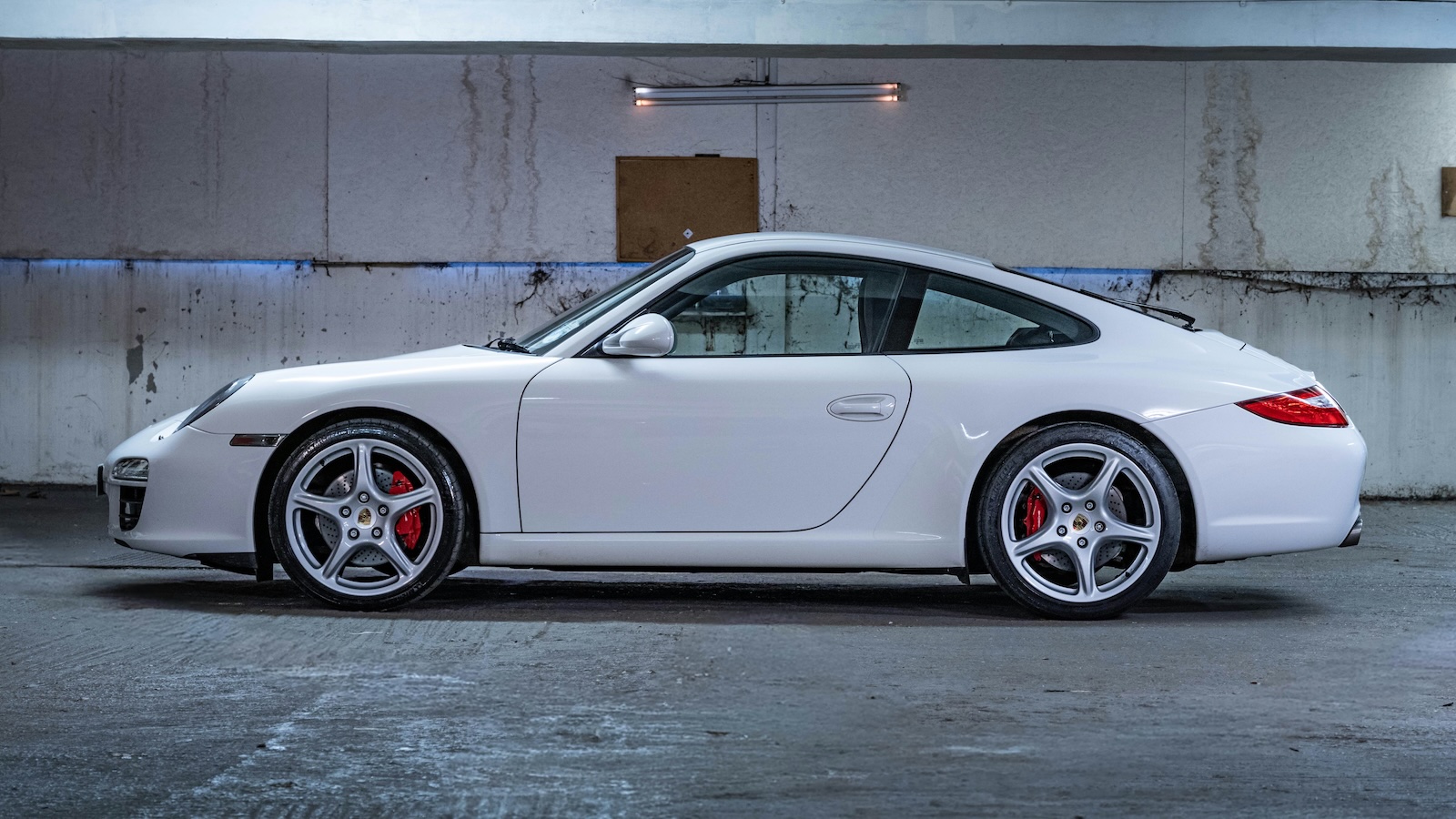
According to the lawsuit, Williams signed on for a 48-month lease on the 911 in 2021 and authorized the dealer to pull payments directly out of his bank account. Two withdrawals reportedly went through, a little under $11,000 combined, before that account was closed. No new payment method followed. The lease term technically expired in August 2025, and the dealer is now asking a court for roughly $244,199 to cover the missed payments plus attorney’s fees and litigation costs that stacked up while nobody picked up the phone.
The dealer chasing that money isn’t some corner used-car lot. OpenRoad Auto Group operates more than twenty dealership franchises across British Columbia and Ontario, including two dedicated Porsche Centres in Richmond and Langley, and Porsche Cars Canada has named OpenRoad its top-performing “Premier Porsche Centre” every year going back to 2017. That detail matters, because it means this isn’t a fly-by-night financing outfit trying to squeeze a football player. It’s a large, brand-backed dealer group with the legal budget to pursue a six-figure claim across an international border for as long as it takes.
The more interesting legal wrinkle isn’t the unpaid bill. It’s the part of the suit claiming nobody can find the actual car. On a lease, the dealer or its finance arm holds the title for the entire term; the driver never owns the vehicle outright unless they exercise a buyout at the end. So if Williams really did hand the Porsche off to a company that then resold it to someone else, as the lawsuit alleges, that isn’t a private sale gone sideways. It’s someone parting with a car they never had clear legal ownership of in the first place. Whoever is driving that 911 now may be sitting on a title problem they don’t know about yet, which is the same kind of paperwork tangle Backfire ran into with a stolen Porsche 911 that turned up gutted in Los Angeles. Once a car’s ownership trail goes murky, everybody downstream inherits the headache.
None of this is about Williams being unable to afford a Porsche payment. Public contract records show he’s earned north of $200 million across a career that started when Washington took him fourth overall in the 2010 draft, and he reworked his deal with San Francisco this year into a four-year, $103 million contract with $37 million guaranteed at signing. A few thousand dollars a month was never the obstacle. What lawsuits like this usually come down to is nobody dealing with the paperwork: an account gets closed, a car gets handed off, and the problem is left to compound quietly until a dealer’s legal department decides the total is finally worth the cost of filing suit.
Professional athletes show up in this exact kind of dispute more often than you’d expect. Backfire previously covered former NBA forward Paul Pierce, whom a dealership accused of quietly abandoning payments on a leased Range Rover to the tune of roughly $91,000. The pattern repeats itself: a leased luxury vehicle, a payment stream that stops without explanation, and a dealer that waits until the balance is large enough to justify a courtroom fight.
For anyone not earning NFL money, the practical lesson is simpler. Closing the bank account tied to your auto-debit doesn’t cancel a lease; it just stops the dealer from getting paid automatically. The balance and the legal obligation are both still sitting there, and dealers can and do let the clock run before pursuing the full amount plus fees. And if you’re shopping for a used exotic that’s changed hands more than once in a short window, ask for the full title history before writing a check. A lease that ended in a dispute is one of the quieter ways a car can end up with a clouded title.
Williams hasn’t publicly addressed the suit, and none of the allegations have been tested in court. The 49ers already have plenty of on-field questions heading into camp; whether their left tackle’s Porsche ever turns up is apparently one more thing for the legal team to sort out before the season starts.
About the Author