Goodyear sold more tires in the second quarter than it did to start the year, and the free fall in tire demand that defined early 2026 clearly eased. The result of all that improvement was a $204 million net loss. That’s not a contradiction — it’s the receipt for a strategy Goodyear has been running for more than a year: sell fewer cheap tires, close a factory, and bet that a smaller, pricier tire business beats a bigger, cheaper one.
For the three months ended June 30, Goodyear reported net sales of $4.3 billion, down 4.8% from a year earlier, on 36.5 million tires shipped, down 4.0%. Strip out the Chemical division and the Dunlop brand the company sold off last fall, and organic sales fell a much tamer 1.4%. Set that against the first quarter, when tire volume collapsed 12% year-over-year, and the trend line genuinely looks like a company climbing out of a hole.
The Numbers Behind the Loss
Earnings didn’t follow volume higher, though. Segment operating income — essentially what Goodyear’s tire business earns before corporate costs, interest and taxes enter the picture — fell to $36 million from $159 million a year earlier. Reported net loss landed at $204 million, or $0.71 a share, against net income of $254 million, or $0.87 a share, in the same quarter of 2025.
That year-over-year comparison flatters last year more than it should. The 2025 quarter included sizable one-time gains from asset sales that had nothing to do with how many tires Goodyear actually moved. Strip those items out on both sides of the comparison, and the adjusted net loss still widened, from $48 million a year ago to $177 million this quarter — a cleaner read on how the underlying business is actually trending.
What’s Actually Squeezing Margins
Goodyear’s own breakdown shows where the damage came from. Lower volume cut segment operating income by $132 million. Tariffs and related costs took another $100 million. Inflation added $53 million more in costs. Working the other direction, favorable pricing and product mix against raw-material costs added back $123 million, and the company’s ongoing internal cost-cutting program, Goodyear Forward, delivered $95 million in savings. Net all of that together, after adjusting for the divested Chemical and Dunlop businesses, and segment operating income still fell $79 million year-over-year.
The tariff line deserves a second look. A $100 million hit in a single quarter, against total segment operating income of just $36 million, is the difference between an unremarkable quarter and a genuinely rough one. It’s also a reminder that tire manufacturing is absorbing import costs the same way the rest of the auto supply chain is right now — costs that rarely show up as a line item on a receipt, but show up plenty in the price a shop quotes for a replacement set.
Americas: The Real Battleground
The Americas segment is where the strategy gets uncomfortable to watch. Net sales fell 10.5% to $2.4 billion, and the region swung to a $10 million operating loss from $141 million in operating income a year ago. Replacement tire volume — the tires people actually buy when their old ones wear out — dropped 13%, which Goodyear attributes to planned cuts in lower-tier product lines, softer industry-wide sell-in, and tougher competition, not simply a weaker market.
Here’s the detail worth sitting with: original-equipment volume, the tires that ship on new vehicles straight from the factory, grew 8.7% in the same quarter, and Goodyear says it gained OE share in both consumer and commercial categories in every region it operates. Replacement down, OE up, in the same three months — that split is the clearest evidence yet that Goodyear is trading near-term volume for a different kind of future volume. Every new vehicle that leaves a factory on Goodyear rubber is a vehicle that will need a replacement set in three to six years, and Goodyear wants the inside track on that sale before a cheaper competitor gets there first.
Closing a Factory to Pay for the Pivot
The clearest sign that this is a strategy and not just a rough quarter arrived in July, when Goodyear announced it will close its Fayetteville, North Carolina, tire plant entirely, realigning its manufacturing footprint around the smaller, higher-value lineup it’s building toward. The company expects the closure to improve Americas segment operating income by roughly $90 million in 2027 and about $270 million annually starting in 2028 — but only after absorbing $535 million to $565 million in total pre-tax charges, including up to $210 million in actual cash costs, with the process expected to run through the end of 2027.
Goodyear isn’t the only vehicle-adjacent manufacturer trading short-term pain for a leaner footprint this year. Daimler made a similar call on its Portland, Oregon, Freightliner truck plant this summer, and the logic tracks in both cases — capacity built for a bigger market gets expensive to maintain once that market shrinks.
It’s also worth noting who signs off on the spending. Goodyear’s finance department is currently led by an interim chief financial officer, a detail worth watching given the restructuring runs through 2027 and the accounting decisions along the way carry real weight for shareholders.
Where the Strategy Is Already Working
Asia Pacific is the clearest proof of concept so far. Segment operating income jumped to $63 million from $43 million, and operating margin climbed to 12.7% from 9.4% — Goodyear’s best regional result by a wide margin. The driver was growth in premium replacement tires sized for 18-inch-and-larger wheels, which is a polite way of saying bigger wheels carry bigger margins, and the market has been shifting toward crossovers, SUVs and performance cars that wear them by default.
EMEA told a similar, if less dramatic, story. The region’s operating loss narrowed to $17 million from $25 million, and Goodyear said its consumer OE business notched a tenth consecutive quarter of market-share growth — a streak that predates this earnings report and suggests the OE-to-replacement argument isn’t a talking point invented to explain a bad quarter.
What This Means If You’re Buying Tires
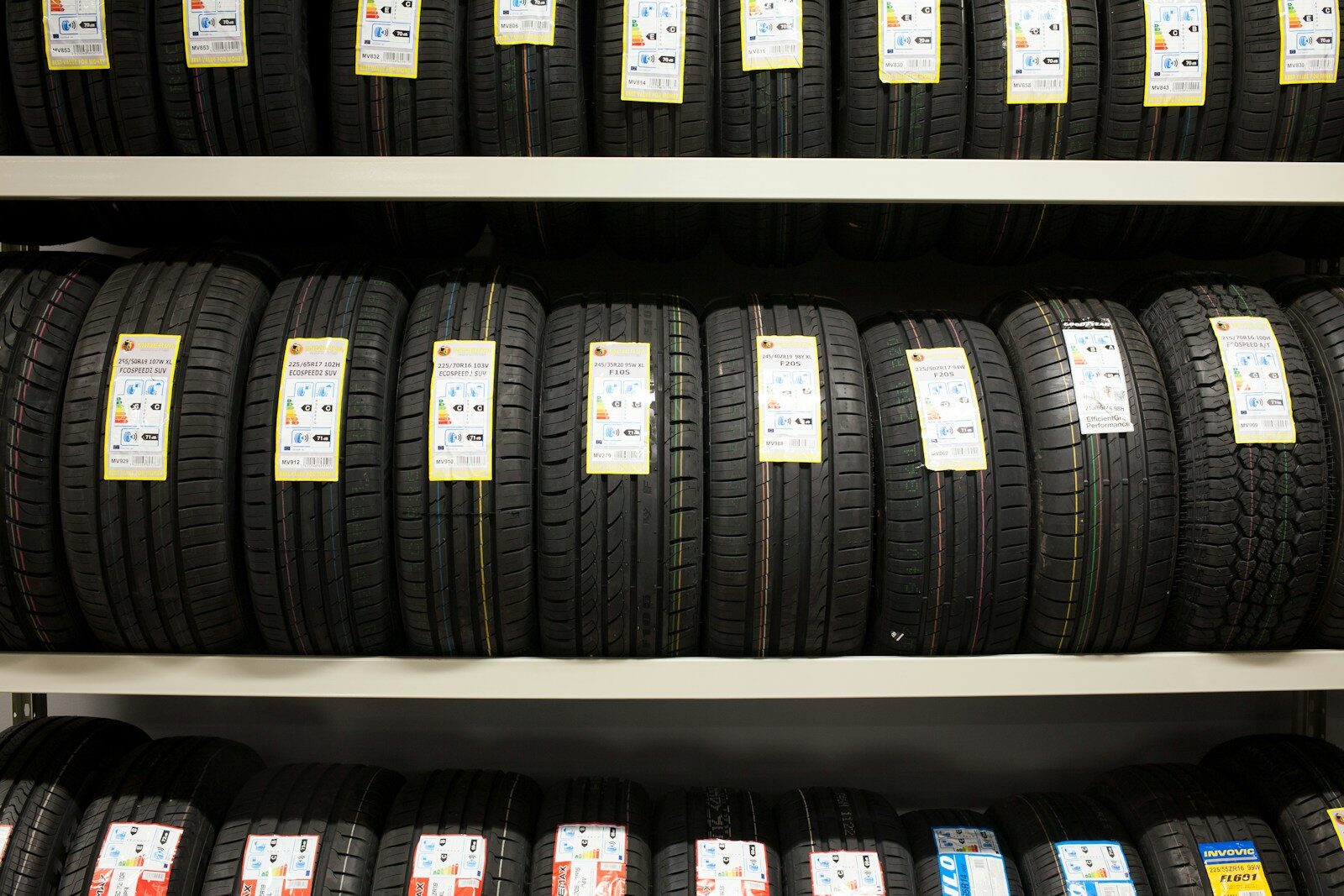
None of this stays abstract for anyone shopping for tires this year. Goodyear’s decision to walk away from lower-tier SKUs means shoppers hunting for the cheapest possible replacement set may find fewer Goodyear-family options at that end of the shelf, with more inventory and marketing pushed toward premium all-season, all-terrain and long-wear lines instead. If your vehicle wears larger-diameter wheels — increasingly the default on new SUVs and trucks — you’re squarely the customer Goodyear is now built to serve, and dealers should have more choice in that segment, not less.
It’s worth remembering Goodyear’s motorsports footprint while all this plays out, too. The company remains NASCAR’s exclusive tire supplier and puts its name on Cup Series races like the Goodyear 400 at Darlington, and a manufacturer investing in premium street rubber has every reason to keep that racing pedigree part of the pitch to buyers.
None of this is happening in isolation. The same tariff and inflation pressure eating into Goodyear’s margins this quarter has shown up everywhere from Lamborghini’s factory floor, where tariffs cut into a record revenue quarter, to auto parts retailers now explaining to shareholders how tariff costs get shared with suppliers. Goodyear’s $100 million tariff hit is just the tire industry’s version of a bill the entire auto sector is currently paying, and the real test of its premiumization bet won’t show up until 2028, when the Fayetteville savings are supposed to finally hit the bottom line.
About the Author