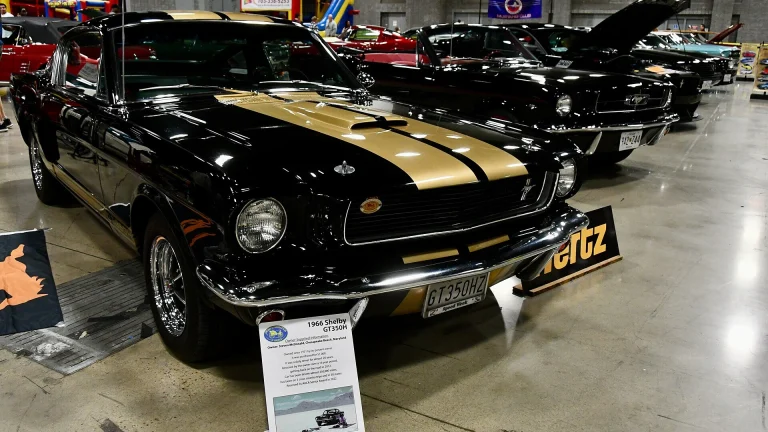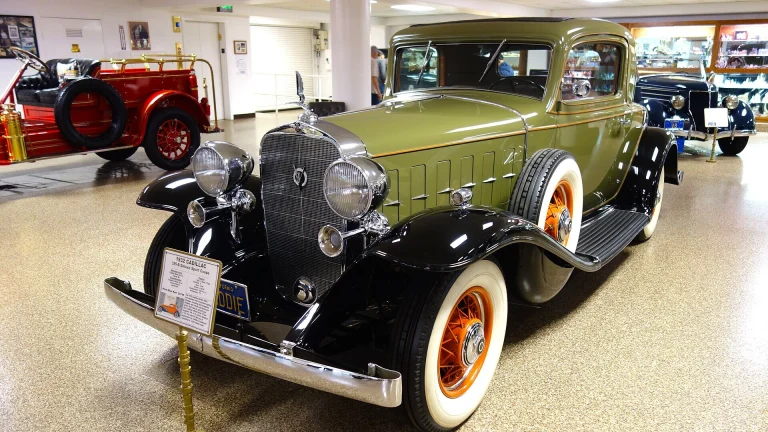
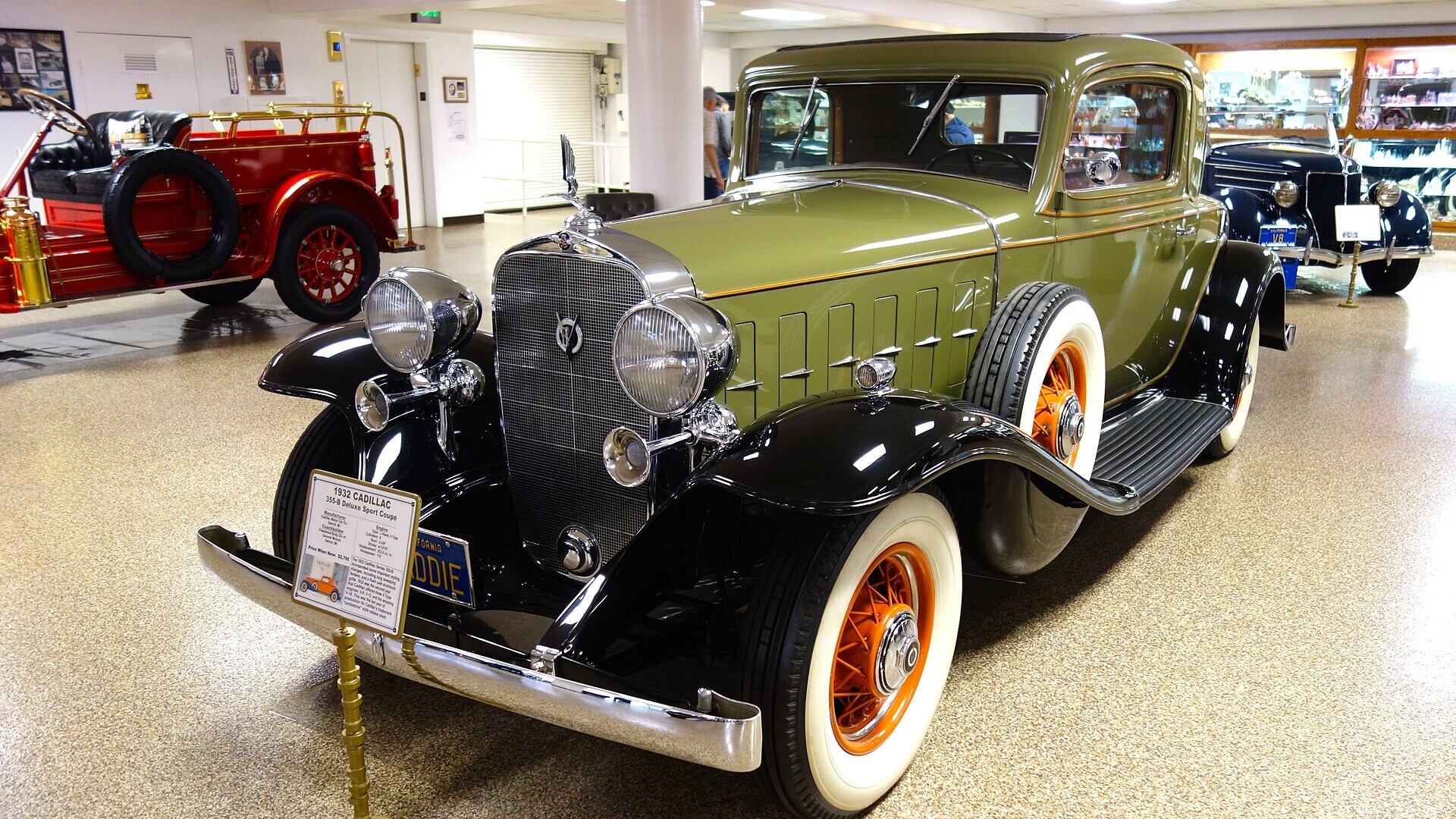
Representative image: a 1932 Cadillac 355-B Deluxe Sport Coupe in the Nethercutt Collection, not the auctioned limousine. Photo: Daderot, CC0, via Wikimedia Commons.
Someone spent nearly $95,000 in 2011 and 2012 restoring a 1932 Cadillac 355-B Imperial limousine documented to Alphonse Capone, according to the consignor’s binder and the lot listing. On Sunday, Morphy’s hammered it for $65,000, or $79,950 with the 23 percent buyer’s premium.
It was lot 1205 in Morphy’s Automobilia & Petroliana auction in Denver, Pennsylvania, a sale of more than 650 lots built mostly around porcelain signs, gas pump globes and oil cans. Morphy’s estimate on the Cadillac was $50,000 to $80,000, so the hammer landed on the midpoint. The restoration was done by Classic & Exotic Service. Against the binder total, the hammer is about $30,000 short, and the buyer’s all-in figure is still roughly $15,000 under it.
What the paperwork says
The lot description cites a New York Certificate of Sale naming Alphonse Capone as purchaser through Rochelle Cadillac Co. of New Rochelle. The certificate carries a raised notarial seal and records engine and serial number 1201. The package also includes service invoices, Cadillac-LaSalle and Fisher Body reference manuals, historical materials and keys.
The listing does not date the certificate, and it does not say whether Capone took delivery of the car or ever rode in it. Capone was convicted of tax evasion in October 1931 and sentenced to eleven years in federal prison, according to the FBI’s case history. The 355-B is a 1932 model.
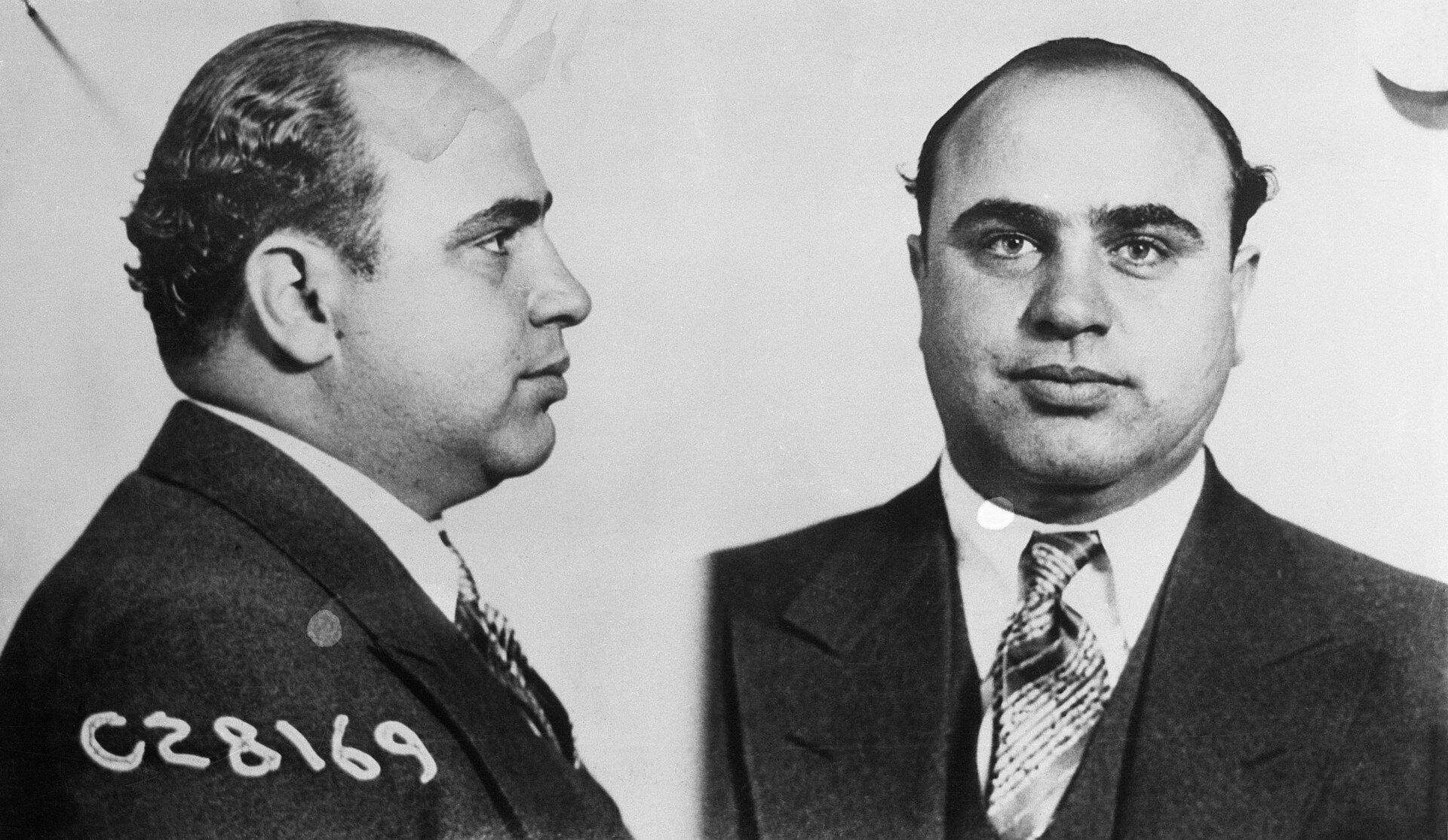
Also missing from the listing: mileage, any owner between the dealership paper and the 2011 restoration, and how the car came to light. The documented chain runs from a dealer’s certificate to a restoration shop’s invoices, with nothing in the gap. A sales certificate establishes a purchase. Period photographs, registration records or a continuous list of owners are what place a car with the person, which we looked at in our piece on what Steve McQueen provenance adds to an auction price.
The car itself
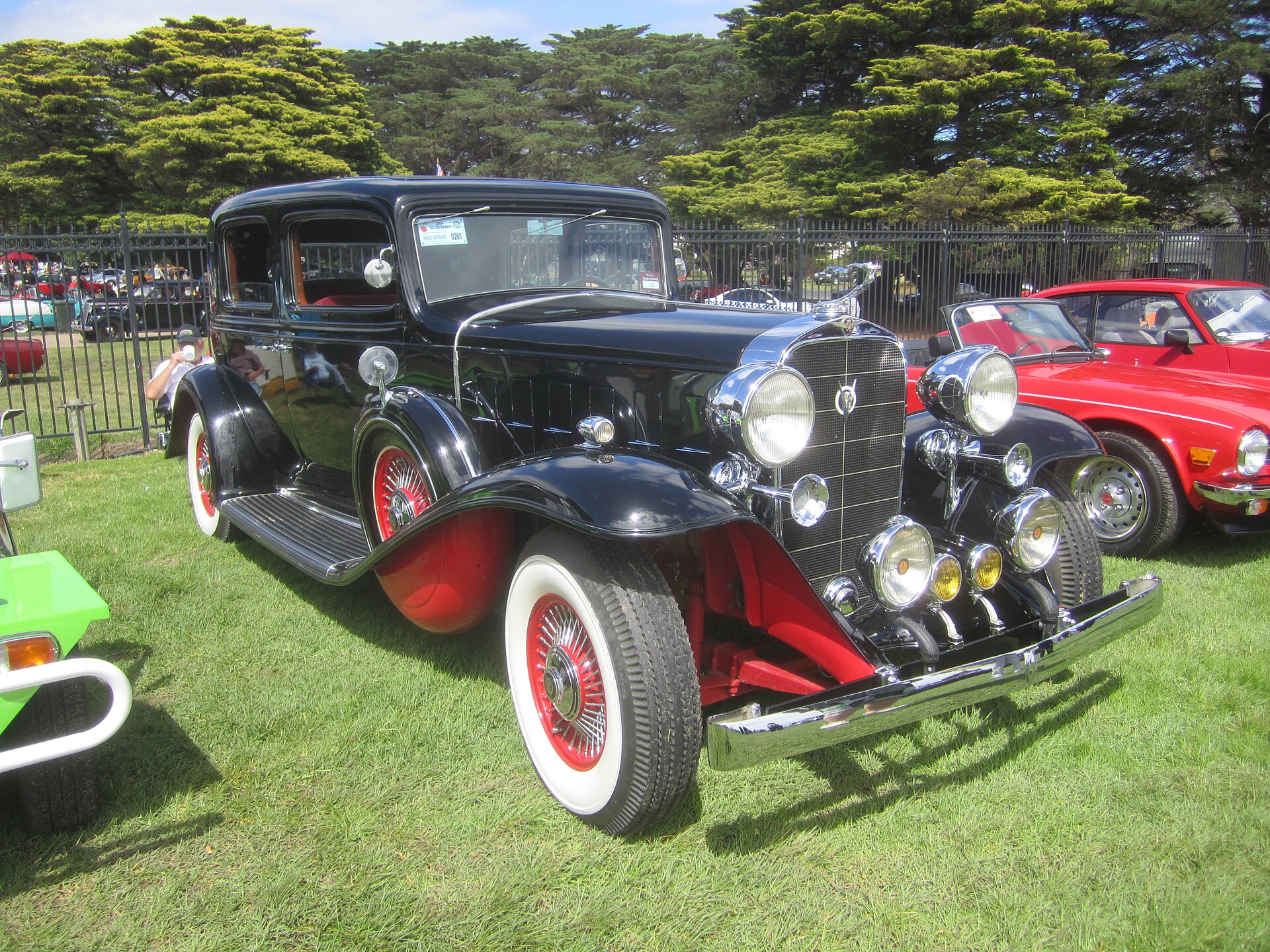
Morphy’s calls the condition “older restored,” with minor paint imperfections and age-appropriate wear, and notes minor cracks in a stained-glass panel on the passenger side. The cream body with burgundy fenders is a Fisher-built seven-passenger Imperial on a 140-inch wheelbase, with dual enclosed side mounts, wire wheels, wide whitewalls and a Goddess radiator mascot. Power is a 353-cubic-inch L-head V-8 rated at 115 horsepower through a three-speed synchromesh manual. The listing says it started easily and drove smoothly at evaluation.
The rest of the sale
Morphy’s other pre-sale headliners carried estimates at or above the Cadillac’s: a 1906 Indian Camelback motorized bicycle at $80,000 to $120,000, a circa-1930s Sinclair Aircraft porcelain sign at $60,000 to $90,000, and a 1964 Chevrolet Impala with a dual-quad 409 rated at 425 horsepower and 52,659 miles, at $50,000 to $80,000. We have not confirmed results for those lots. For a different kind of auction, see our piece on a Colorado field auction of nearly 300 cars.
Does a notarized dealer certificate make this Capone’s car, or does a famous name need proof that he used it?
Sources: Morphy’s lot 1205 listing and October 4 auction release; FBI case history on Al Capone. Photo credits: Daderot (CC0), Sicnag (CC BY 2.0) and Chicago Police Department (public domain), via Wikimedia Commons. Morphy’s lot photographs were not used.
About the Author