Paige Forte had access to one of the most powerful vehicle-tracking networks in the country. She used it to check on her partner’s car. Not a suspect’s car. Not a stolen car. Her partner’s.
Forte, 30, supervised the Real-Time Crime Center for the Conyers Police Department, the unit responsible for monitoring the city’s network of Flock Safety license plate cameras. Rockdale County jail records show she was arrested last Wednesday and charged with prohibited use of retained license plate data, a Georgia offense written specifically for this kind of thing. The Georgia Bureau of Investigation says she ran more than 30 searches between April and July, all tied to her domestic partner’s vehicle, none tied to an actual case. She is on administrative leave while Conyers PD finishes its internal review.
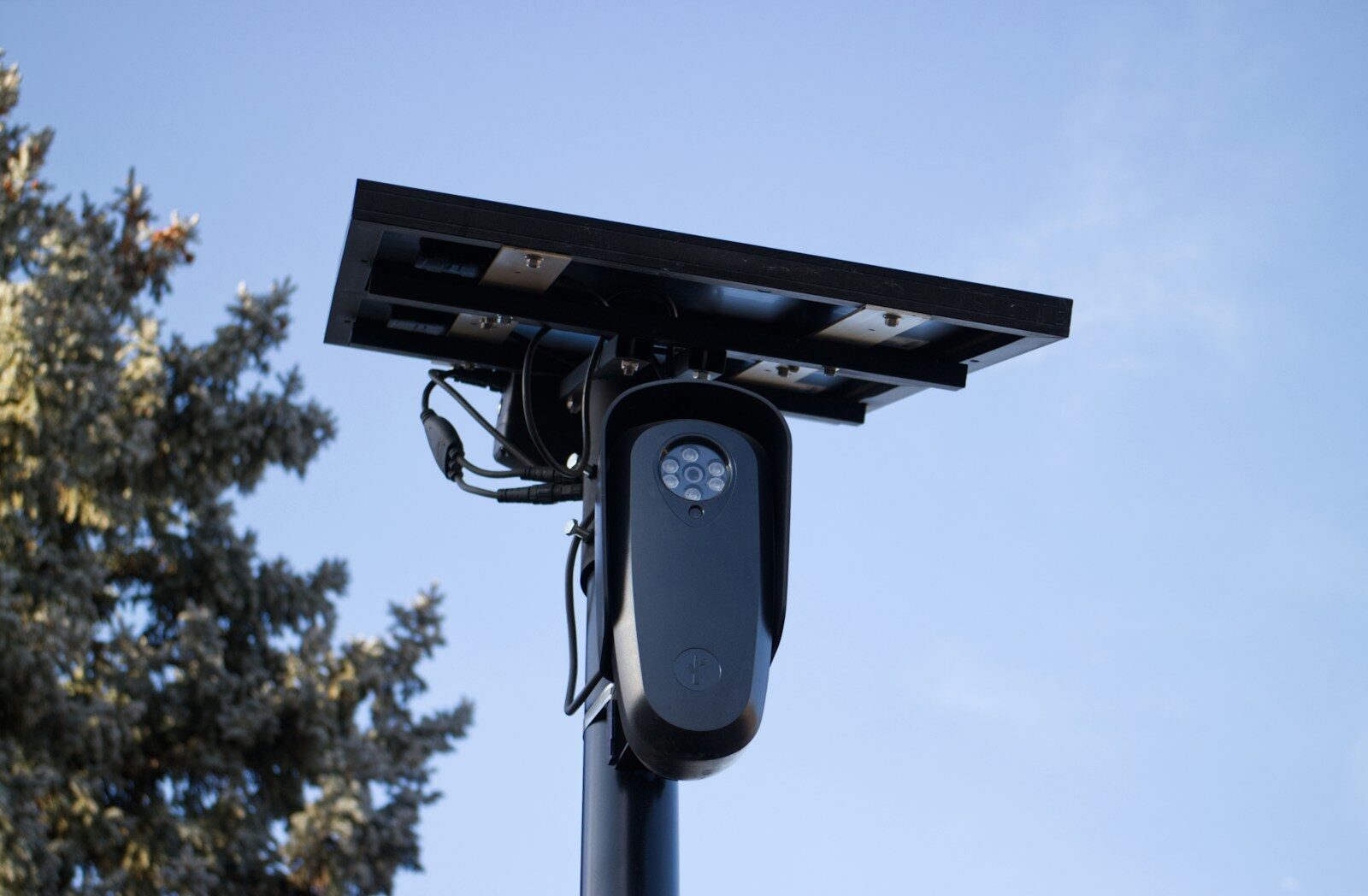
Here’s what most people don’t understand about how this technology actually works. A Flock camera isn’t just photographing a plate. Each unit captures a full vehicle signature: plate number, state, color, body type, even bumper stickers and roof racks, and uploads it to a searchable cloud database within seconds. An officer doesn’t need physical access to the camera that captured your car. If their department has a data-sharing agreement with the network your car passed through, and thousands of agencies do, they can pull up everything on it from a desk hundreds of miles away.
Forte isn’t an outlier. She’s the latest entry in a running tally that’s grown embarrassingly long for one state: three Fayetteville officers fired this spring, three Cherokee County deputies disciplined, a DeKalb County deputy who burned through an 18.9 million dollar contract’s credibility in under a year, a Greene County deputy, five Albany officers charged in June. Add Forte, and Georgia’s documented count of personal-use Flock cases climbs to twenty in twelve months. Georgia isn’t unique here, either. A Milwaukee officer resigned this spring after running the same woman’s plate 179 times for reasons that had nothing to do with police work.
What makes this batch of arrests different is how they got caught. In April, Flock rolled out an AI tool called Audit Assistance that scans search logs for activity that doesn’t match a normal case pattern, then flags it for a supervisor to review. That’s exactly how Conyers caught Forte. It’s a genuinely useful feature, and Flock has been happy to point to arrests like hers as proof the system works.
What Flock hasn’t been as loud about is the tradeoff it made around the same time. After activists started using public audit logs to identify specific officers by name, in some cases publishing their information alongside active investigations, Flock began stripping officer names out of cross-agency logs and replacing them with anonymized ID numbers. It also dropped license plate numbers from those records. The company says the underlying data still exists and remains available to oversight bodies, that nothing is deleted. But for an ordinary person trying to figure out whether they’ve personally been searched, the public paper trail just got noticeably thinner.
If you’re wondering whether any of this applies to you, it does, regardless of whether you’ve ever been a suspect. Flock’s cameras default to a 30-day retention window, meaning every plate that rolls past one of those solar-powered poles sits in a database for a month, available to any officer on the network who can type in a case reason the software will accept. Drivers who want to check whether they’ve been searched can file an open records request with their local department, though depending on the agency, you may only get a version showing that a search happened, not necessarily who ran it or why.
Forte’s arrest will get filed under “the system caught her,” and technically, it did. But a system that only catches misuse after the fact, using logs the vendor gets to edit, isn’t oversight. It’s a receipt. And a receipt only matters if someone’s actually allowed to read it.
About the Author