Rivian’s software chief just previewed a feature that says less about Waze and more about how Rivian wants to win the infotainment argument entirely on its own turf. On August 21, Chief Software Officer Wassym Bensaid posted a dashboard screenshot on X showing something enthusiasts have wanted since Rivian skipped phone-mirroring altogether: real-time Waze alerts, starting with speed cameras and police reports, arriving on both R1 and R2 with the upcoming 2026.31 over-the-air update.
The screenshot matters more than the announcement itself. Instead of a bolted-on Waze icon competing for space elsewhere on the touchscreen, the alert shows up as a card stacked directly above the turn-by-turn directions, inside the same map view that is already displaying distance, drive time, and arrival estimate. Whatever technical handshake Rivian built with Waze, it was designed to look native rather than like a guest app squeezed in from outside. Bensaid’s caption left the door open for more, noting simply that “more data and alerts to follow.”
Stacking Three Data Sources Into One Windshield View
This isn’t Rivian’s first navigation upgrade. In mid-2025, Rivian rebuilt its native maps on a Google Maps partnership, adding fresh routing and traffic data, real-time road disruption reports pulled from the Google Maps community, tappable points of interest, and satellite imagery. All of that sits under Rivian’s own EV-specific tools, like range-on-arrival estimates and charging stop curation. A separate charging-reliability score rates plugs using real plug-in data gathered across networks, including the Rivian Adventure Network and Tesla Superchargers. Waze’s crowdsourced hazard reports now stack on top of all of that as a third data layer, inside a single screen.
That layering matters because Rivian has never offered Apple CarPlay or Android Auto, betting that owners would rather have one deeply integrated system than a phone-mirroring workaround. A standalone Waze app on a mirrored screen was one of the last legitimate arguments left for wanting CarPlay in a Rivian, and folding those alerts into the native map view quietly closes that gap. It’s also worth remembering that crowdsourced driver data cuts both ways across the industry: Waze alerts run on drivers volunteering reports, a different arrangement than automakers quietly selling driving data to third parties, a practice that has already drawn scrutiny elsewhere.
Old Trucks Aren’t Being Left Behind, For Once
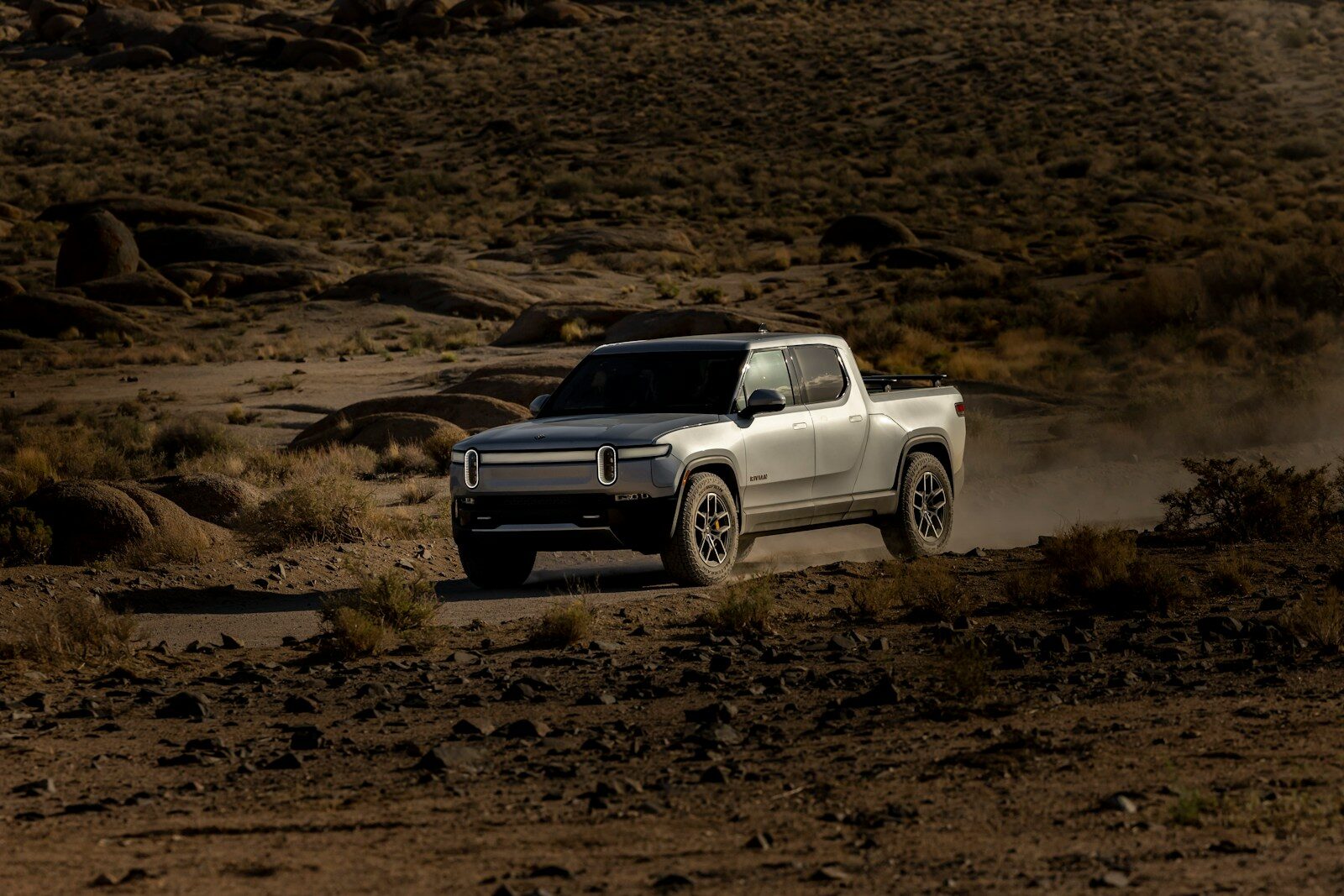
Two days before the Waze post, Bensaid confirmed something arguably bigger: Rivian OS 2.0, the completely rebuilt interface Rivian designed around the R2 crossover using Unreal Engine 5 and a new streamlined chip architecture, is being pushed back to Gen 1 and Gen 2 R1T and R1S trucks in that same 2026.31 update. That’s worth pausing on. R1 Gen 1 trucks started reaching driveways back in 2021, and it would have been easy, and profitable, to treat the flashy new interface as an R2 exclusive or gate it behind newer hardware, which is how plenty of the industry handles major UI overhauls. Instead, a truck old enough to be out of its original warranty picture is getting the same interface Rivian built around its newest, cheapest model. For anyone shopping a used Gen 1 R1T right now, that’s a genuinely useful signal about how long Rivian intends to keep supporting the hardware.
Cop Alerts Are Legal. Radar Detectors Aren’t Everywhere.
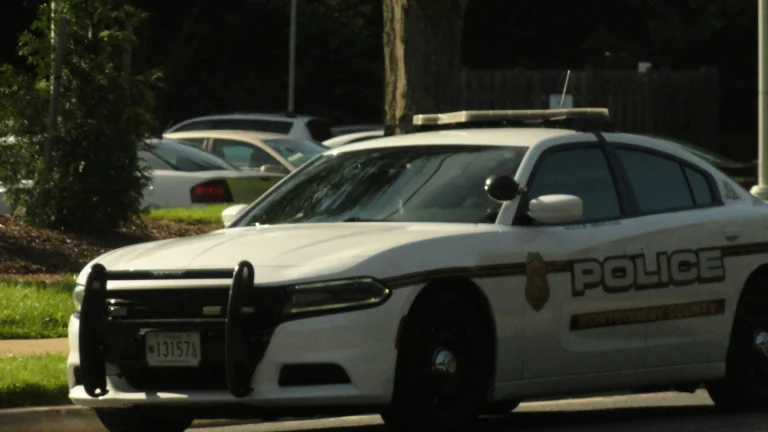
Crowdsourced camera and police location alerts are legal to use while driving in nearly every U.S. state, which surprises people who assume they work like radar detectors. They don’t. A radar detector reacts to a police radar gun’s emissions in real time, and Virginia and Washington, D.C. still ban the hardware outright. Waze-style alerts just relay locations that other drivers already flagged, functionally closer to a fast-moving rumor mill than an evasion device, which is exactly why Rivian can build the feature straight into a factory infotainment system without wading into detector-restriction laws. The bigger wrinkle sits overseas: several European markets require camera warnings to be smoothed into a general zone rather than an exact pin, specifically to discourage drivers from stomping the brakes right at the camera and accelerating right past it. That’s a regulatory patchwork Rivian will have to navigate carefully if this feature ever expands beyond the U.S. and Canada.
The Skepticism Is Earned, Not Cynical
Rivian’s promise of continuous software delivery has hit real potholes this year. A group of early R1 owners is currently suing the company, arguing they were sold on self-driving capability that never showed up the way it was pitched. Separately, some R2 owners are dealing with a fast-charging connector problem serious enough that Rivian’s own support team has been calling people directly about it. Neither issue has anything to do with Waze or navigation, but both are a useful reminder that a promise of more alerts to follow is a roadmap item, not a feature sitting in your driveway yet. Every automaker leaning on over-the-air updates, Tesla included, has learned the hard way that shipping a software promise and shipping the actual update are two very different timelines.
For current owners, the ask is nothing. No extra hardware, no dedicated subscription, no phone required, the alerts should simply appear inside the existing navigation screen once 2026.31 reaches a given vehicle. For anyone cross-shopping an R1 or R2 against other EVs that also lean on over-the-air updates and native navigation, this is the kind of quiet feature parity that’s becoming a real differentiator between electric vehicles, not the flashiest line in the update notes, but the one longtime Waze users have been waiting for since they bought a truck that never let them just plug in a phone.
About the Author