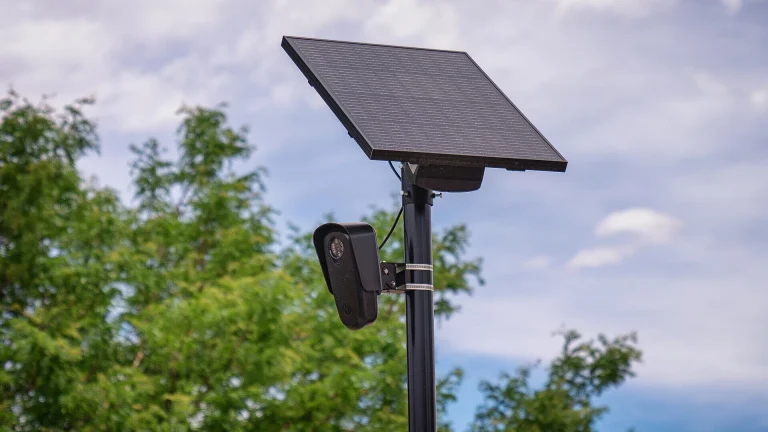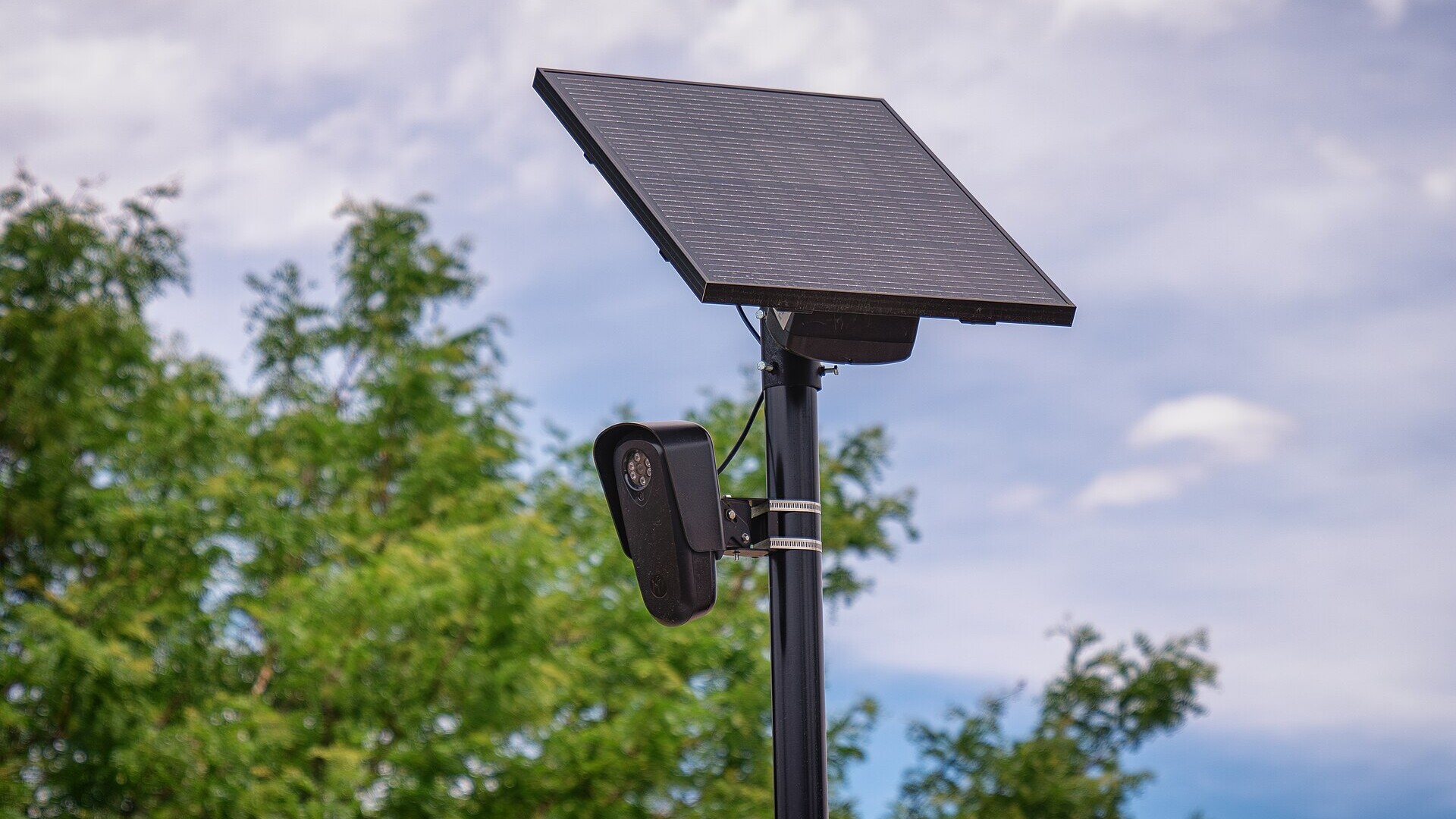
Photo: Tony Webster / Wikimedia Commons (CC BY 2.0)
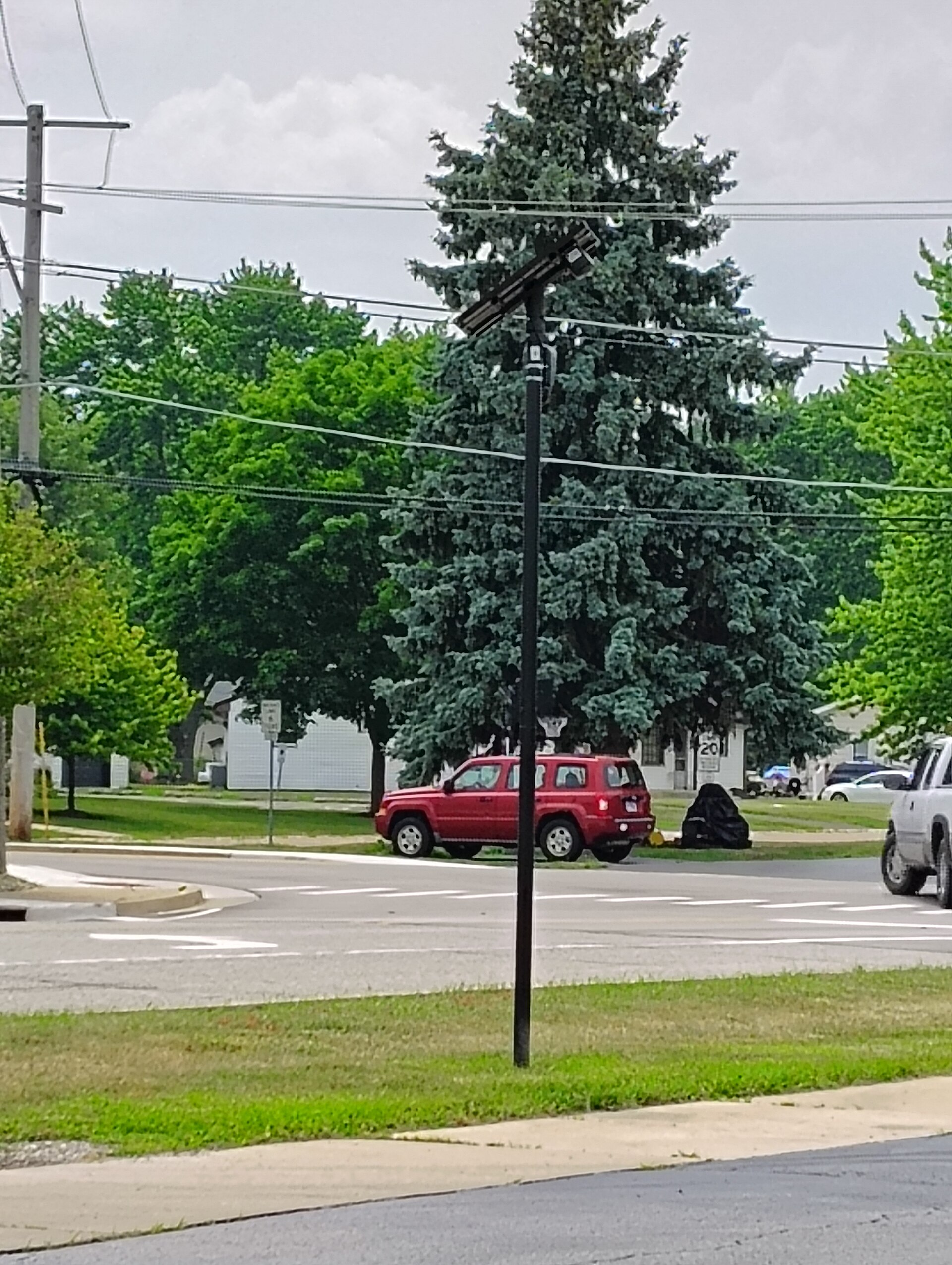
A North Manchester, Indiana, resident who speaks at town council meetings and records police traffic stops had his license plate searched 63 times in Flock Safety’s camera network between December 2024 and the end of 2025, according to HaveIBeenFlocked.com, a database built from public-records audit logs. The searches came from North Manchester police and the Wabash County Sheriff’s Office, and InvestigateTV confirmed dozens of them against logs from out-of-state agencies. On Nov. 4, the town council voted to end its agreement with Flock, which covered three cameras.
The resident has not been charged with a crime, InvestigateTV reported. The reasons typed into the log for his plate included his last name, “PATROL” and “Locate,” and some searches looked back 30 days. HaveIBeenFlocked.com puts the reach of a single search at between 11,235 and 98,000 devices.
The town told Atlanta News First that an alert had been placed on the resident’s vehicle but would not say which officer placed it, citing officer safety. The Wabash County Sheriff’s Office said the searches were meant to protect officers during traffic stops. The police chief has said the resident approached him in a threatening way, and a council member apologized to the chief for not removing the resident from a meeting, the station reported. The resident said the vote shows that asking the public to trust police is no substitute for written policy and oversight.
No Indiana law says who can search a plate
Indiana has no statewide law on license plate readers, InvestigateTV reported, which leaves retention, access and the reason for a search to each agency’s own policy. The most recent bill the Indiana Capital Chronicle described, a 2015 proposal to purge plate data after 30 days unless police had a warrant or an active investigation, died in committee without a vote after prosecutors and police chiefs opposed it.
That leaves the public records law. The sheriff’s office told InvestigateTV that all Flock data is exempt from disclosure as an investigatory record. Indiana’s Access to Public Records Act lets a law enforcement agency withhold investigatory records under IC 5-14-3-4(b)(1), and the 2012 edition of the code, the most recent text I could verify, defines the term as “information compiled in the course of the investigation of a crime.” A lookup logged as “PATROL” on a person nobody has charged is a hard fit for that language, and I could not find a court ruling that answers the question. InvestigateTV confirmed dozens of the searches through audit logs from out-of-state agencies rather than through North Manchester’s own records.
What Flock changed in its audit logs
The audit log that exposed these searches has since changed. As of this summer, network audit logs no longer show the searching officer’s name, the queried plate or open-text search reasons, InvestigateTV reported. Flock says the agency that ran each search keeps that information and that the change came at customers’ request to protect officers and active investigations. A Flock spokesperson told InvestigateTV that each agency sets its own policies for how its officers use the system.
In an Aug. 13 post, Flock said it will require case codes for all law enforcement searches by the end of the year, after making them optional in July 2025, and will make seven days the default plate-data retention period, down from 30. Existing customers keep their current retention periods.
North Manchester isn’t the only town with this problem
InvestigateTV counted more than 70 cases nationwide in which officers or employees were investigated, disciplined, fired or arrested for misusing Flock, many involving searches of romantic partners or family members. Backfire News has covered a Milwaukee officer who resigned after running one woman’s plate 179 times, a Georgia investigator accused of misusing Flock cameras for about six months and a Charlotte officer accused of running a plate for a friend. Voters in League City, Texas, rejected 55 Flock cameras, 54% to 46%. Washington, Oregon, Kentucky and Connecticut have passed laws requiring some form of audit, InvestigateTV reported.
In September, a Senate Judiciary subcommittee chaired by Sen. Josh Hawley held a hearing on Flock’s network, which Hawley’s office described as roughly 120,000 cameras across 49 states. Hawley’s office said the CEOs of Flock, Axon, Motorola and Verkada were invited and declined.
Nobody says when the cameras come down
The council’s vote ends the contract, but the coverage I found does not say when the three cameras come down, and I could not find the Nov. 4 agenda or minutes on the town’s website. No Indiana statute I found gives a driver a right to learn who searched a plate or why. A public records request is the route, the sheriff’s office has said it treats the data as exempt, and denials can go to the state’s Public Access Counselor, which issues written opinions on records complaints, including one dated Jan. 9, 2026 on law enforcement recordings.
Featured image: Tony Webster / Wikimedia Commons, CC BY 2.0. Body image: LemononoM / Wikimedia Commons, CC0.
Should officers have to attach a case number to every Flock search that a records request can later pull, or does opening those logs put officers and investigations at risk?
About the Author