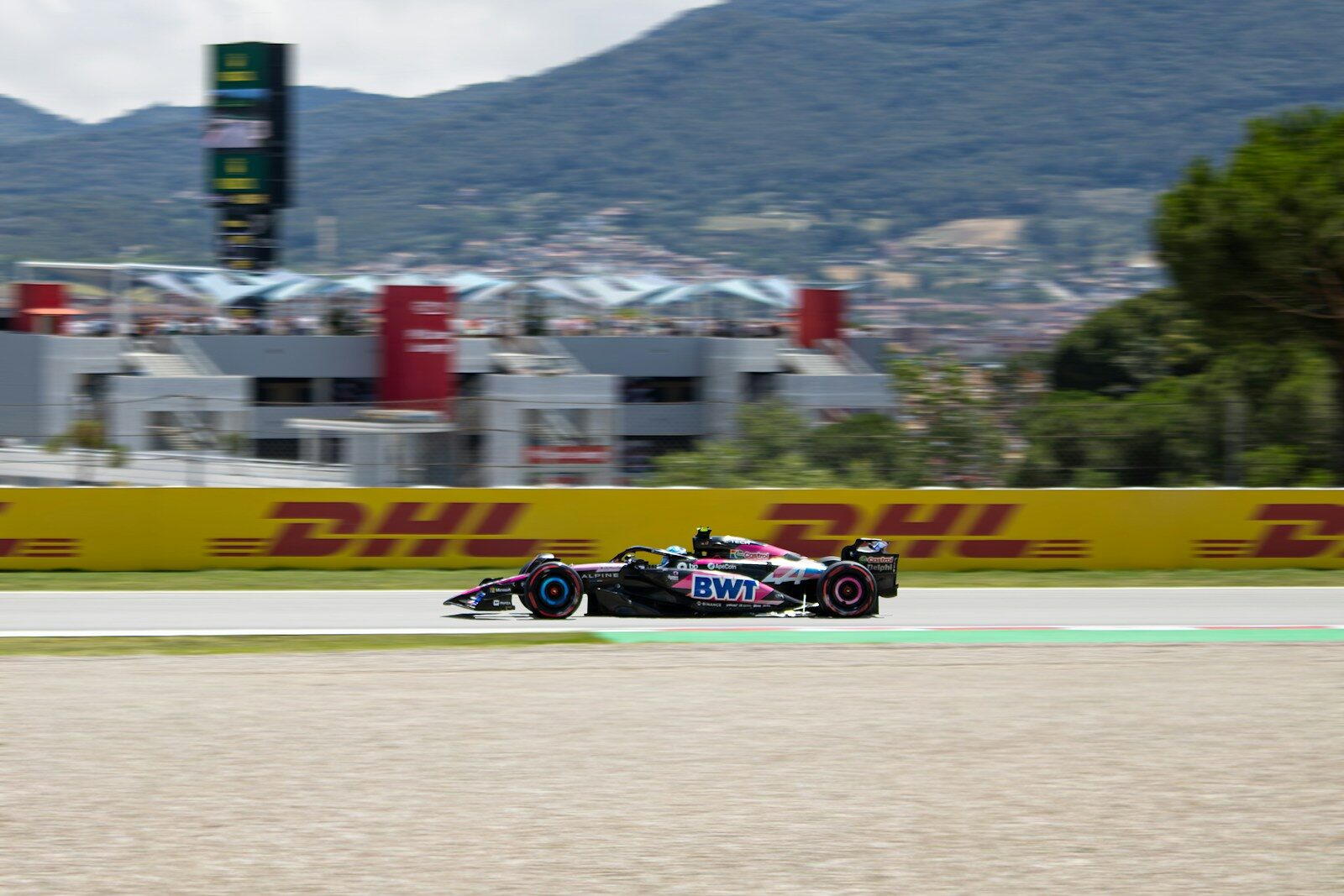
Formula 1 crashes have always been expensive, but the reported financial hit from Pierre Gasly’s Miami wreck lands differently in today’s cost cap era. According to estimates, the Alpine driver’s crash may have caused around $1.8 million in damage to the team’s car, an enormous number for any team to absorb, especially one already fighting through a difficult season.
A Massive Hit During a Difficult Season
Gasly’s crash in Miami reportedly left the Alpine heavily damaged, with estimates placing the repair bill close to $1.8 million. That kind of destruction adds up quickly in Formula 1 because these cars are packed with highly specialized components that are expensive to replace and time-consuming to manufacture. The figure immediately grabbed attention because it highlights just how punishing even one major incident can become under the current rules — teams can’t simply spend unlimited money to recover anymore, and every dollar directed toward repairs is money that can’t be spent elsewhere.
In previous Formula 1 eras, top organizations could sometimes absorb catastrophic crash costs without dramatically changing development plans. The cost cap changed that equation completely, and now every major repair becomes part of a larger internal balancing act, which is where things get complicated for midfield teams like Alpine.
Why the Cost Cap Changes Everything
Formula 1 introduced the budget cap to control spending and tighten competition across the grid. While the system has changed the sport’s financial landscape, it has also made large crashes more painful than ever. A nearly million-dollar repair bill isn’t just an inconvenience — it can affect upgrade timing, manufacturing priorities, and resource allocation throughout the season, forcing teams to make difficult choices when major damage suddenly wipes out a large chunk of available budget. For powerhouse organizations with deeper infrastructure, the impact can still be managed more easily, but a single heavy impact can destroy months of carefully managed budgeting for a team without that cushion.
The Pressure on Drivers Keeps Growing
Formula 1 drivers are always expected to operate on the limit. That never changes. But the financial consequences attached to mistakes have become impossible to ignore in the current era. When crashes carry repair costs approaching seven figures, teams inevitably start paying closer attention to risk management, and drivers feel that pressure whether they openly admit it or not.
Fans want drivers pushing hard. Nobody watches Formula 1 hoping to see cautious, conservative racing every weekend — aggressive driving, close battles, and maximum commitment are part of what makes the sport compelling. But under the cost cap system, every mistake suddenly carries an accounting consequence attached to it, creating a difficult balance for everybody involved. Teams need drivers to attack, qualify aggressively, and chase results, while repeated damage bills can quietly wreck a season behind the scenes even before championship standings fully reflect the damage.
Alpine Can’t Afford Extra Problems
The reported scale of the Miami damage becomes even more significant because Alpine has already been dealing with mounting pressure. Every team on the grid operates under scrutiny, but midfield organizations often feel the squeeze harder because development margins are tighter, and a major crash can interrupt momentum immediately. Instead of focusing entirely on extracting performance, engineering groups suddenly have to redirect effort toward rebuilding damaged components — manufacturing schedules change, spare parts inventories get stretched, and resources disappear into repairs instead of upgrades.
Formula 1 cars are incredibly fragile despite looking futuristic and aggressive on track. Modern aerodynamic designs, lightweight materials, and complex construction methods create machines that are astonishingly fast but brutally expensive when things go wrong, and a single heavy impact can destroy months of carefully managed budgeting.
Fans See the Bigger Problem
The reported $1.8 million figure also reinforces something many racing fans have been noticing for years: Formula 1 has become an incredibly expensive sport to participate in at every level. The technology is extraordinary, but the financial barrier keeps climbing. Teams constantly talk about sustainability and financial discipline, yet crash damage figures continue reaching eye-watering levels, a contradiction that stands out more now because the cost cap forces everyone to acknowledge the money directly. Before the budget cap era, massive repair costs often disappeared into larger spending totals; now each incident becomes part of a public discussion about how teams manage resources, upgrades, and survival across a full championship season, which changes how fans interpret crashes entirely.
What Happens Next Matters
Gasly’s reported Miami damage bill will eventually fade from headlines, but the larger issue isn’t going away. Formula 1 teams are operating in an environment where every mistake carries financial consequences that can ripple through an entire season, a reality that affects strategy, development, and potentially even the way drivers approach risk on track. That leaves Formula 1 facing an uncomfortable tension: the sport wants spectacular racing, fearless overtakes, and drivers operating at the absolute limit, but the financial system now punishes costly mistakes harder than ever before. For Alpine, the reported nearly two-million-dollar repair bill is more than just an ugly number. It’s a reminder that in modern Formula 1, one bad moment can hurt a team long after the wreckage is cleared away.
About the Author