The dispute at the center of the Arkansas goose case is narrow but stubborn: witnesses say two goslings were run over after traffic had already been slowed and the birds were no longer a hazard, while Arkansas State Police say the trooper was trying to clear them safely. That gap — between what the agency describes and what onlookers recorded — is why a strange highway clip has not simply faded away.
Arkansas State Police have publicly defended the trooper involved, saying the officer spent 26 minutes trying to safely remove trapped geese from Highway 67 near Cabot and Jacksonville. But witness accounts, video footage, and details included in the agency’s own explanation are now creating new questions instead of shutting the story down.
The incident unfolded on U.S. Highway 67 when witnesses recorded a family of geese attempting to cross the roadway. Video appears to show a marked Arkansas State Police vehicle identified as A-75 activating emergency lights while approaching the birds.
At least one gosling was allegedly struck during the encounter.
Witnesses later claimed a second gosling was hit after the trooper stopped and reversed the vehicle. Those allegations immediately pushed the incident into uncomfortable territory because the public was no longer debating whether geese created a traffic problem. The focus shifted to how the situation was handled once police arrived.
Arkansas State Police later provided additional details explaining the response.
According to the agency, the trooper was dispatched around 9:30 a.m. after geese became trapped on Highway 57 near the 15-mile marker. ASP said barriers on both sides of the roadway prevented the birds from easily leaving the highway, creating a dangerous situation as traffic slowed and stopped around them.
The agency stated the trooper attempted to coax the geese safely out of traffic while trying to prevent possible crashes involving motorists. ASP also confirmed that two goslings ultimately died during the incident.
That detail matters because the agency is no longer disputing the outcome. Instead, the debate now centers on whether the trooper’s actions were reasonable under the circumstances and whether the public explanation matches what additional records may eventually show.
This is where the story turns.
ASP Director Mike Hagar publicly referenced a fatal 2017 Interstate 40 crash near Mayflower, Arkansas, where three people died following traffic disruptions. The comparison was clearly intended to reinforce the dangers officers face when traffic suddenly slows on busy highways.
There’s no question sudden stops on high-speed roads can become deadly fast. Emergency responders deal with that risk constantly. But the comparison also invited scrutiny because witnesses reportedly claimed emergency lights had already been activated and traffic was already being managed while the geese crossed the roadway.
That could become important later.
Emergency vehicles are commonly used to slow approaching traffic and create temporary safety zones around hazards. If traffic conditions were already under control, critics may question whether the urgency described by the agency fully aligns with what happened on scene.
And that’s where things get complicated.
Hagar also stated Arkansas Game and Fish was unavailable during the incident. According to his account, someone even suggested shooting the birds. That part of the explanation immediately widened the scope of public attention because it introduced the possibility of additional communications, recommendations, or decisions that may now become subject to records requests.
Who made that recommendation matters.
Whether supervisors were consulted matters too.
If wildlife officials provided guidance or declined involvement, those records could eventually become part of the public discussion. And once an agency publicly lays out a timeline and operational explanation, people naturally start asking for the documents behind it.
Now federal law has entered the conversation as well.
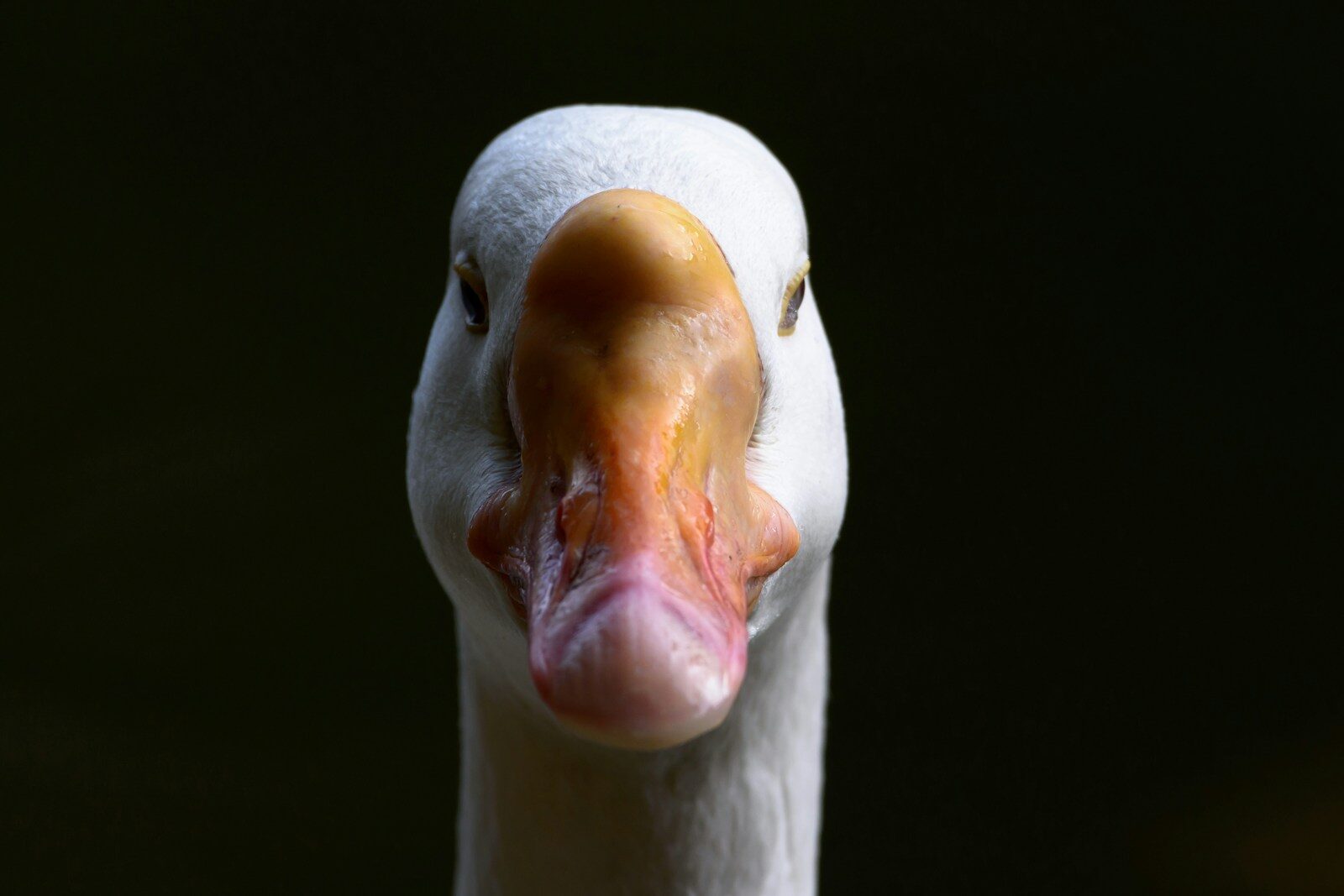
Canada geese are protected under the federal Migratory Bird Treaty Act, which generally prohibits unauthorized killing or taking of protected migratory species. There are exceptions involving hunting seasons, wildlife control programs, agriculture, and other specific situations, but publicly available federal regulations do not appear to contain a broad carveout specifically covering routine law enforcement roadway incidents.
That does not automatically mean a violation occurred.
Intent matters. Circumstances matter. Legal authority matters too.
But witness allegations could become important because there is a meaningful distinction between accidentally striking an animal during an active roadway operation and intentionally taking action that leads to an animal’s death. That legal and factual line could ultimately shape how the incident is evaluated if additional review takes place. Here’s the part many drivers are paying attention to.
A growing number of observers are asking how authorities would respond if an ordinary civilian driver had allegedly done the same thing under similar circumstances. That question sits underneath almost every major public reaction surrounding the incident.
Police officers regularly make split-second decisions in difficult situations. Most drivers understand that. But when agencies publicly defend controversial incidents before all records become available, skepticism tends to grow instead of disappear.
Now a formal FOIA request has officially entered the picture.
According to the information currently available, records requests have been submitted seeking dashcam footage, body camera recordings, CAD logs, dispatch audio, incident reports, communications with Arkansas Game and Fish, supervisory communications, and internal reviews connected to the incident.
ASP has acknowledged the request.
That means this story likely isn’t ending with the initial viral video.
If the trooper truly spent 26 minutes managing the situation, there may be extensive documentation showing exactly how traffic was handled, what decisions were made, who was consulted, and what happened during the final moments involving the goslings.
Those records could ultimately support the agency’s explanation. They could also create additional questions. Right now, the public only has witness footage, witness accounts, and ASP’s version of events.
But ASP also provided something else when it publicly defended the trooper. The agency established a timeline, described operational decisions, confirmed dispatch details, and explained the reasoning behind the response.
That creates expectations.
Because once an agency publicly explains an incident in detail, people expect the evidence to match the explanation. If additional records eventually show the same story, the controversy may cool off quickly. If they do not, the fallout surrounding one bizarre roadside goose incident could become much larger than Arkansas State Police probably expected when a trooper first pulled onto Highway 67 that morning.
About the Author