President Donald Trump has rescinded two long-standing executive orders that shaped how off-road vehicles could be used on federal public lands, setting up a major fight between outdoor access advocates and conservation groups.
The move targets orders signed by Presidents Richard Nixon and Jimmy Carter in the 1970s. Those rules gave federal agencies authority to restrict or shut down off-road vehicle use when it threatened wildlife, scenery, soil, streams, or other sensitive resources. For decades, they helped guide how national parks, forests, and Bureau of Land Management lands handled ATVs, dirt bikes, snowmobiles, and other motorized recreation.
Now that framework is being rolled back.
The White House called the old rules outdated and burdensome, arguing that modern monitoring technology makes it easier for land managers to detect damage from off-road use. The administration framed the move as a public-access issue, saying Americans should be able to enjoy public lands without unnecessary restrictions.
That argument will land well with many off-roaders, hunters, campers, and rural communities who have long complained that federal land policy locks ordinary people out of places their tax dollars support. For them, this is not just about recreation. It is about whether public land is actually public if motorized users are slowly regulated out of access.
But conservation groups see it very differently.
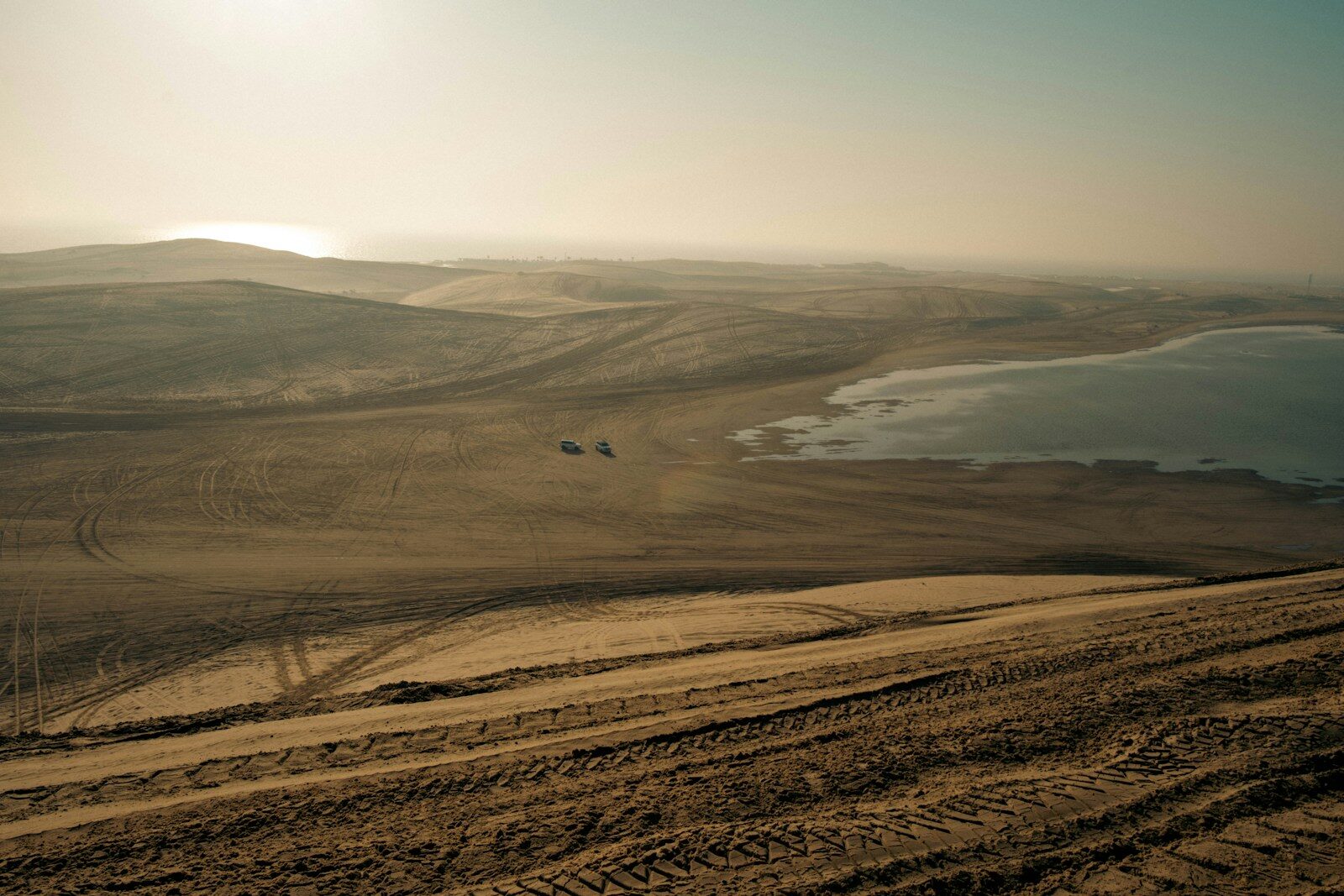
They warn that loosening restrictions could lead to more damaged trails, scarred desert landscapes, degraded streams, and disrupted wildlife habitat. In places like Utah’s red rock country, where off-road use already creates constant conflict, critics fear the change could make enforcement even harder for federal agencies already stretched thin.
That is where this gets complicated.
Off-road access is one of the most emotionally charged public-land debates in America because both sides believe they are defending something important. Motorized users argue that responsible recreation should not be treated like vandalism. Conservation advocates argue that once fragile landscapes are torn up, the damage can last for decades.
The Nixon-era order did not allow off-road vehicles to roam freely through national parks. Instead, it required agencies to designate areas and routes where motorized use would not harm natural, scenic, or aesthetic values. The Carter order went further by allowing immediate closures when off-road activity caused damage.
Those rules helped shape the current reality in most national parks, where off-road vehicle use is generally prohibited except in designated areas or special cases, such as snowmobiles in certain winter-access areas.
Rescinding the orders does not automatically mean every park road or backcountry area opens overnight. Federal agencies still have rulemaking processes, management plans, environmental laws, and local restrictions to navigate. But it does remove a major layer of presidential guidance that has influenced off-road policy for more than 50 years.
For off-road enthusiasts, this could become one of the most significant access shifts in years.
For environmental groups, it is a red alert.
The larger political context matters too. The Trump administration has made public-land use a major priority, favoring expanded recreation, energy development, mining, logging, and local economic access. That stands in sharp contrast to the Biden administration’s emphasis on conservation, renewable energy, and habitat protection.
This latest decision fits directly into that broader divide.
It also arrives as lawmakers from Western states continue pushing for more motorized access on federal lands. Supporters argue that older Americans, disabled visitors, hunters, and families often cannot experience remote public lands without vehicles. Opponents counter that expanding access without strict limits risks turning protected landscapes into playgrounds for the loudest and most destructive users.
The fight will not end with this order.
Federal agencies will still have to decide what changes on the ground. National parks, forests, and BLM districts may face pressure to revisit route designations, trail closures, and off-road management plans. Lawsuits are also likely if conservation groups believe the rollback threatens protected habitat or violates environmental review requirements.
For now, the message from Washington is clear.
The administration wants fewer federal barriers between Americans and motorized access to public lands. Whether that becomes a victory for responsible off-road recreation or a disaster for fragile landscapes will depend on what agencies do next, and how aggressively both sides fight over the details.
About the Author