Image via Greg Biffle/Facebook
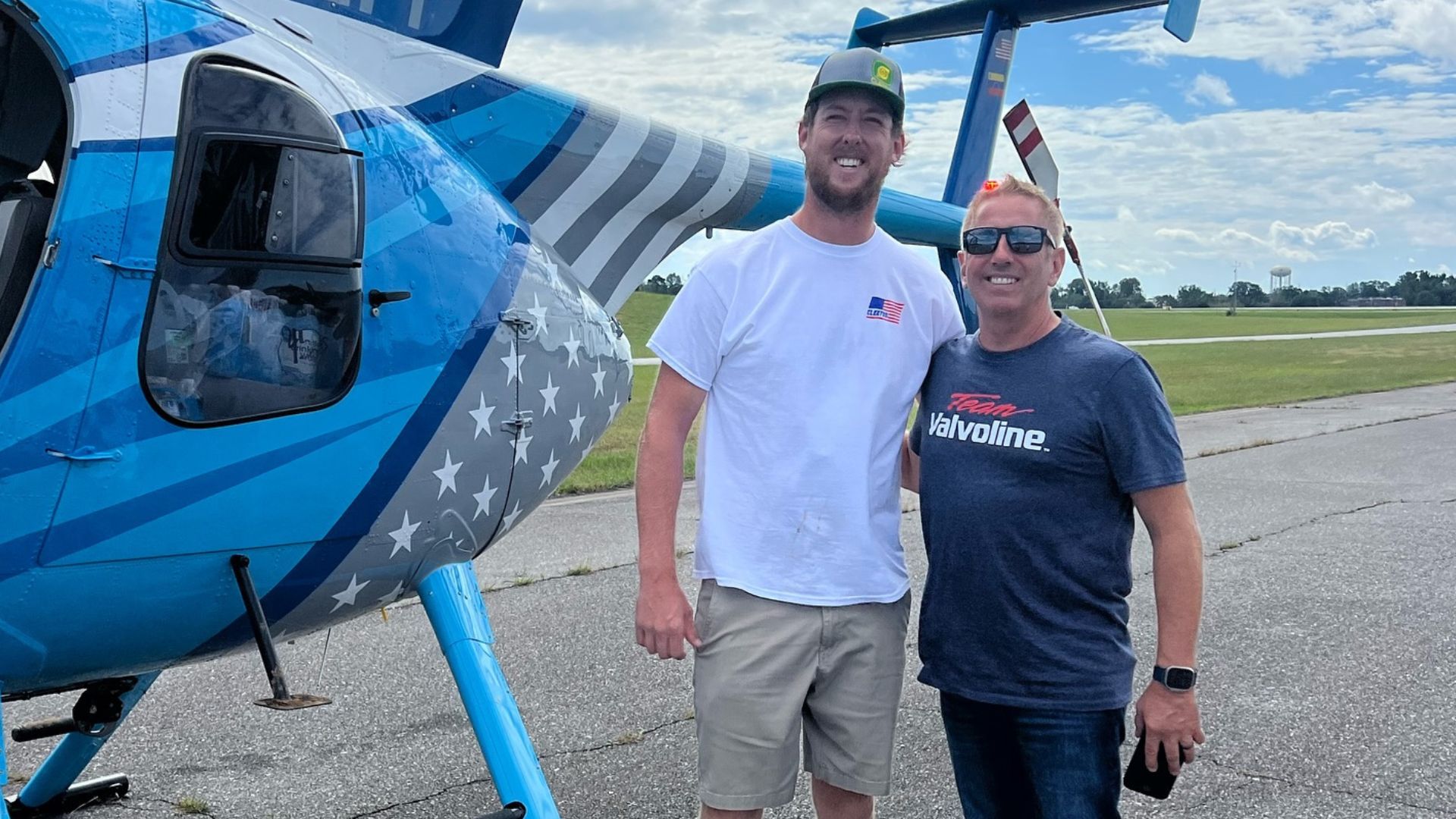
The legal fallout from the plane crash that killed NASCAR veteran Greg Biffle, his wife, their two children, and three other passengers has escalated into a $25 million courtroom battle. What began as a tragic aviation accident in December 2025 has turned into competing wrongful death claims, with each side arguing over who bears responsibility for a chain of instrument failures and cockpit decisions in the final minutes before impact.
Two Estates, Competing Lawsuits
A wrongful death lawsuit filed in April targets Biffle’s estate directly, arguing that as owner of the Cessna 550, he bore responsibility for the aircraft’s condition. The Dutton estate, representing two of the victims, is seeking $15 million on that basis. The response came quickly: the estate of Biffle’s wife filed its own wrongful death suit against the estate of Dennis Dutton, seeking $10 million, arguing responsibility should fall elsewhere. That leaves two grieving families litigating against each other over a crash that, based on preliminary findings, looks less like a single point of failure and more like a cascade of technical and human errors.
What Investigators Found
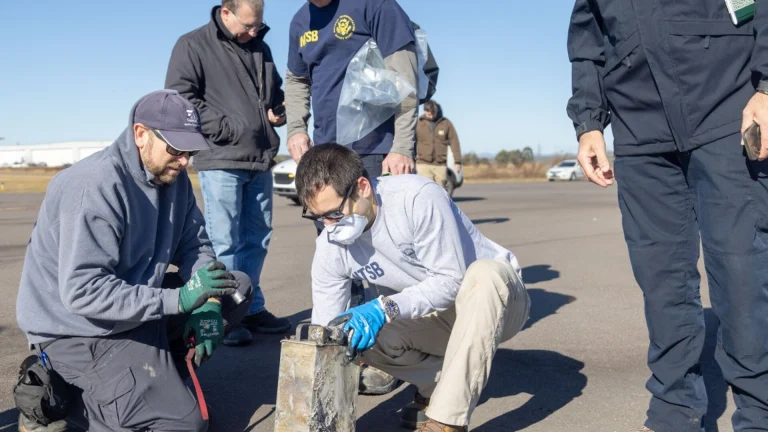
Federal investigators have flagged multiple instrument problems during takeoff and the climb that followed. The altitude indicator and several engine gauges were reportedly not functioning correctly, and in aviation, losing reliable instrument data during the most critical phase of flight leaves little margin to recover if anything else goes wrong. According to preliminary findings, a passenger with pilot experience flagged an engine power imbalance before takeoff and raised the possibility of a faulty gauge. The takeoff proceeded anyway. Minutes later, cockpit recordings captured the pilot acknowledging the altitude indicator wasn’t reading correctly, along with concerns about additional instruments on the left side of the panel.
At some point, control of the aircraft passed to a passenger seated in the right seat who held a private pilot certificate but was not qualified to serve as second-in-command. Investigators found no indication the right-side instruments were malfunctioning, raising the obvious question of why the transfer happened at all, a decision that’s now central to the scrutiny over in-flight judgment. Shortly after regaining control, the pilot tried to turn back toward the airport. The crew acknowledged something was wrong without clearly identifying what they were troubleshooting, and communication inside the cockpit appears to have broken down at the worst possible moment. Within minutes, the aircraft descended, struck objects roughly 1,400 feet from the runway, and crashed. No one on board survived.
Why the Legal Fight Is So Complicated
That timeline is now the backbone of dueling legal arguments. If Biffle, as owner, bore responsibility for keeping the aircraft airworthy, that’s a straightforward maintenance and oversight claim. If cockpit decisions, including continuing takeoff after a warning and then handing control to an unqualified pilot mid-flight, caused or worsened the outcome, that shifts blame toward operational judgment instead. It’s worth emphasizing these are allegations being contested in ongoing litigation, not established legal findings.
Cases like this tend to move slowly precisely because aircraft ownership carries a different kind of liability than a car accident does. Owners are generally responsible for airworthiness and maintenance records, while pilots-in-command carry separate liability for decisions made in flight. When those categories overlap, an owner who was also a pilot, flying with an unqualified backup, insurers and courts often spend months untangling who was actually “in command” the moment things went wrong. That’s the fight now playing out between these two estates.
A Painful Story for NASCAR Fans
For motorsports fans, the personal side of this is hard to separate from the legal one. Biffle spent decades racing at NASCAR’s highest levels, and having his name attached to a tragedy of this scale, one that also took his wife and children, is sobering regardless of how the litigation plays out. A final NTSB report is still pending, and additional details could shift as more evidence surfaces. What’s already clear is that this case has moved well past a single accident report — it’s now a financial and legal reckoning that’s unlikely to resolve quickly.
About the Author