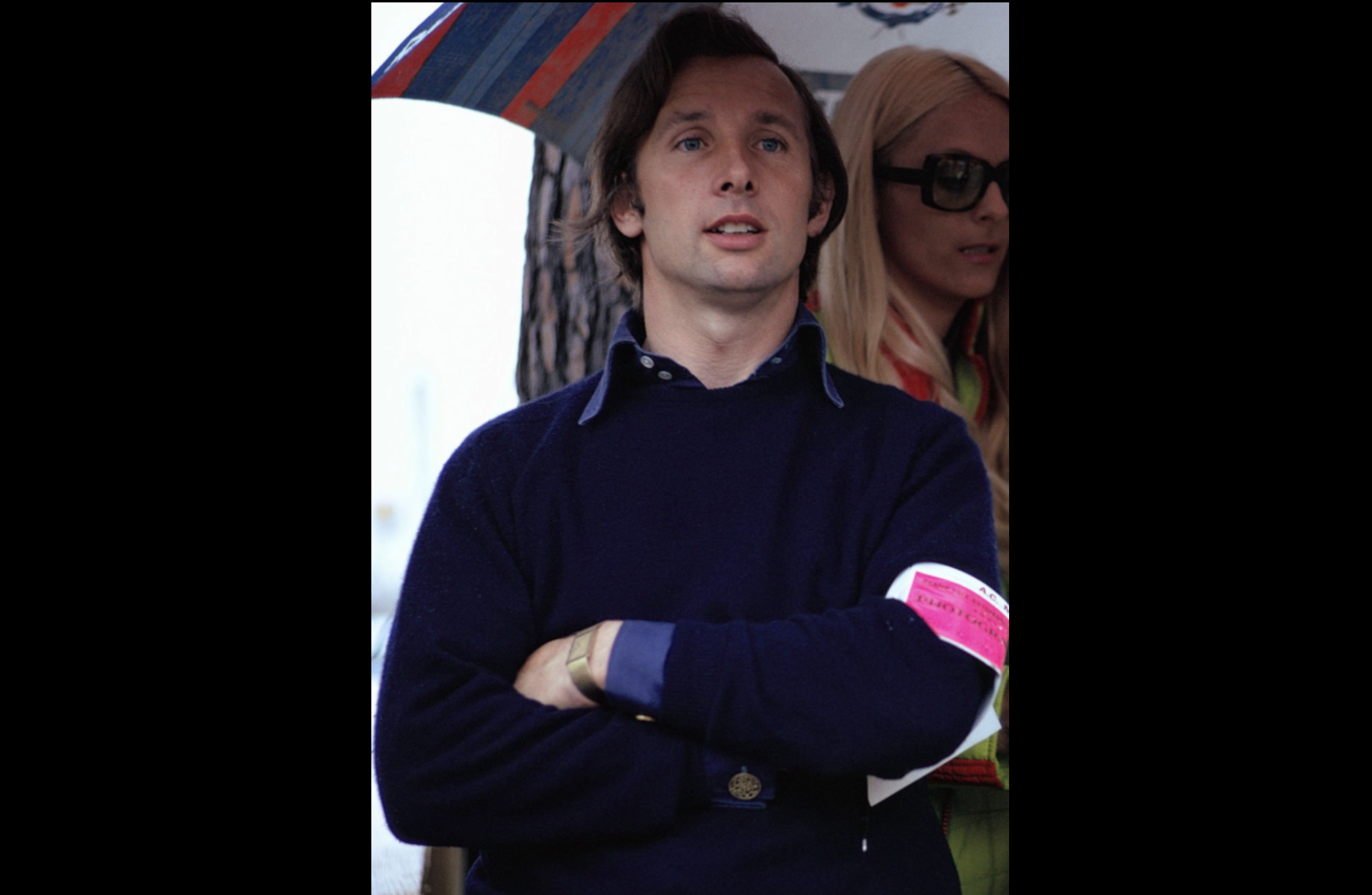
The FIA confirmed this week that Patrick Sean McNally, known throughout the paddock simply as Paddy, has died. Born in 1937, he lived long enough to watch Formula 1 grow from a threadbare European road show into a global entertainment business, and he had more to do with that transformation than almost anyone who never sat in a cockpit or ran a team.
Casual fans have never heard his name, and that’s exactly how he liked to operate. McNally spent decades on the commercial side of the sport working alongside Bernie Ecclestone, and the FIA’s tribute credited him with playing a significant role in the commercial growth of Formula 1. That’s a tidy way of saying he helped invent how the sport actually makes its money.
From Typewriter to Trackside
Long before he was structuring hospitality deals, McNally was a motorsport reporter. Colleagues who crossed paths with him in the 1960s remember him as editor of Autosport magazine, filing Grand Prix reports at a time when Formula 1 barely resembled a business at all. Veteran motorsport journalist Maurice Hamilton, who followed those reports closely, said this week that McNally’s writing carried genuine insider knowledge and that he went on to play a pivotal part in reshaping the sport.
That reporting background is worth pausing on, because it explains why McNally succeeded where a lot of pure businessmen would have failed. He understood how teams, circuits, and drivers actually operated day to day, not just how to sell advertising space around them. That’s a rarer skill set in sports business than it sounds, and it’s a big part of why his fingerprints ended up on so much of F1’s commercial machinery.
Turning Trackside Ad Boards Into a Global Product
McNally’s real leverage came through Allsport Management, the Geneva-based agency he built that partnered with Ecclestone to control the advertising boards ringing every Grand Prix circuit. Through the 1970s and 80s, that perimeter advertising space was one of the last unconsolidated pieces of F1’s commercial puzzle, with individual circuits selling their own boards, at wildly inconsistent prices, to whoever showed up with a check. Bundling that inventory into a single global package, sold once and delivered at every round of the championship, mirrored the same strategy Ecclestone used to consolidate television rights, and it helped turn Formula 1 from a loose federation of national races into one sellable, repeatable product.
That model also set the template for what came next. Once trackside advertising carried a price tag attached to a worldwide television audience instead of a local crowd, corporate hospitality was the obvious next move, and that’s where McNally’s legacy really shows up. One former colleague, who said McNally’s outfit had run his own sons’ early racing careers, put it plainly in a tribute this week: McNally “did massive things with the F1 Paddock Club,” the trackside hospitality operation that still anchors race weekends today.
Why a Hospitality Tent Is a Bigger Deal Than It Sounds
For anyone who hasn’t priced out a Grand Prix weekend recently, hospitality isn’t a side business anymore, it’s central to how the sport pays its bills. Monaco’s paddock passes now run into five figures, and the backlash over those prices has become its own annual storyline. Attendance has followed the same trajectory: a record 564,000 fans packed Silverstone this year, a figure that would have been unthinkable in the era when McNally was still selling perimeter boards one circuit at a time.
The commercial engine he helped build hasn’t slowed down, either. Formula 1 signed Apple TV to an exclusive U.S. broadcast deal beginning in 2026, and Cadillac’s arrival on the grid as the sport’s newest team is as much a bet on that commercial machine as it is on lap times. None of that works without the infrastructure McNally spent his career quietly assembling.
A Paddock Figure, Not a Podium Name
McNally’s death adds him to a difficult stretch for motorsport’s extended family. Formula 3 driver Zdeněk Chovanec died at just 22 earlier this month, and Formula E lost Citroën Racing team principal Cyril Blais days later. McNally’s passing is a different kind of loss, since he never turned a wheel in anger, but it’s a reminder that the people who built the business side of racing are just as much a part of its history as the drivers who get remembered on trophies.
Tributes from the paddock this week described him as generous, sharp, and, according to more than one former colleague, simply fun to have around, the same qualities that outlast anyone’s job title. It’s the same instinct that shaped the tributes to 1320Video founder Kyle Loftis earlier this year: the people who quietly build the infrastructure of car culture rarely get the spotlight while they’re doing it, and only get their due once they’re gone.
Formula 1 will keep selling out grandstands and hospitality suites long after this week’s news cycle fades, and it will keep doing it using a commercial framework Paddy McNally helped draw up decades ago. That’s a legacy most fans watching this weekend’s race won’t recognize by name, but it’s one they’re paying for, whether they know it or not.
About the Author