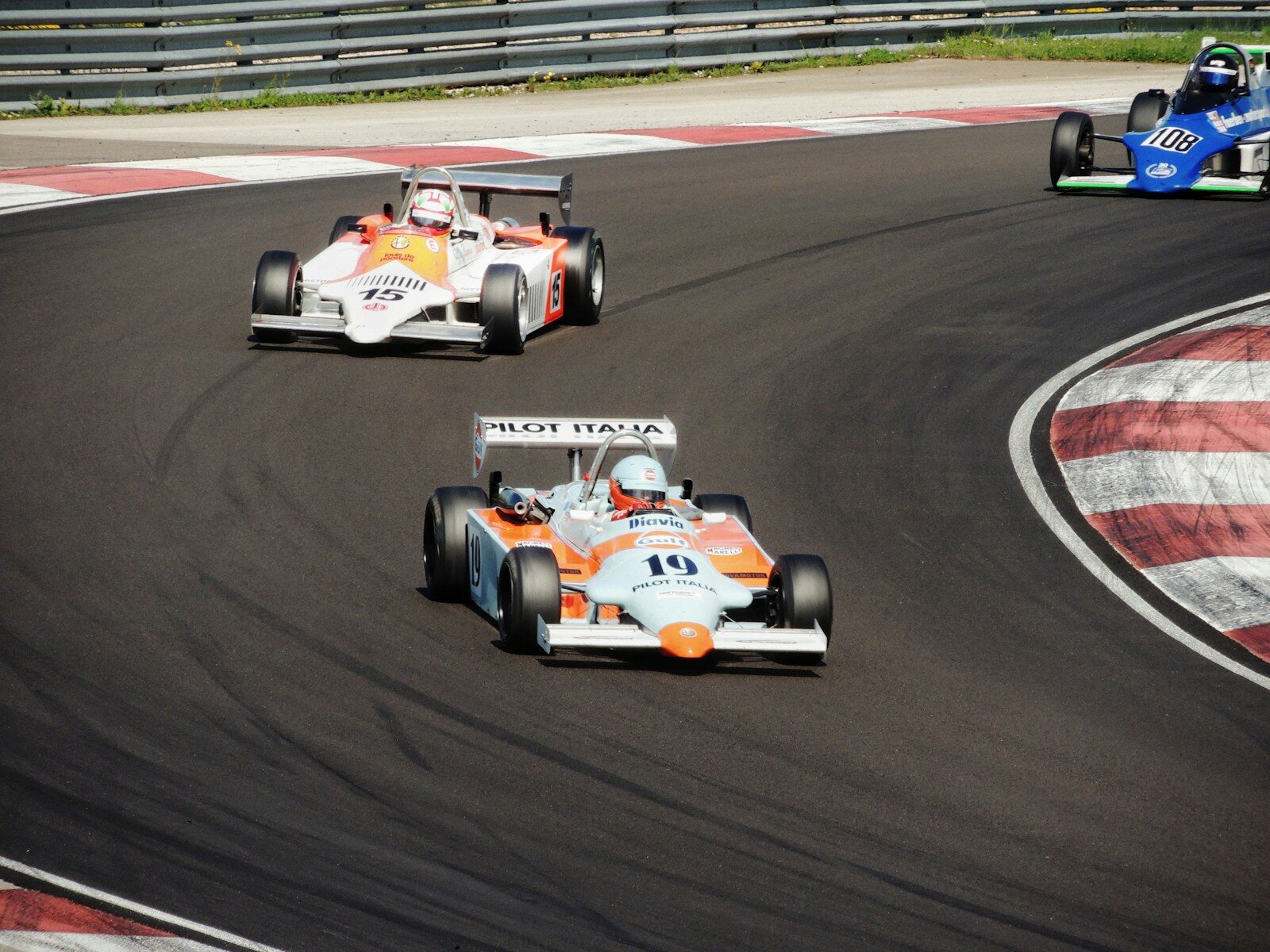
Dreyer & Reinbold Racing spent 13 years watching the NTT INDYCAR SERIES from the sidelines every month except one. That changes in 2027, and the way the team got there says as much about where IndyCar’s business is headed as it does about a family finishing what its patriarch started.
The Carmel, Indiana-based outfit announced July 22 that it has purchased a full-season charter from Rahal Letterman Lanigan Racing, pending IndyCar’s approval of the transaction. Once that paperwork clears, DRR will field a full-time, one-car entry beginning with the 2027 season opener, its first campaign outside of May since 2012 and its first race away from Indianapolis Motor Speedway since 2013.
This is a bittersweet return. Team founder Dennis Reinbold died June 13 at age 65, and according to his son and DRR’s current CEO Derek Reinbold, the charter negotiation with RLL was already underway before Dennis was hospitalized. He never saw the deal close. His son intends to run the program the way his father envisioned it anyway.
What a Charter Actually Buys You
An IndyCar charter isn’t a golden ticket into the Indy 500 – that race is still settled purely by qualifying speed, with all 33 spots up for grabs regardless of who owns what. What a charter guarantees is a starting spot at every other points-paying round of the season, along with cost and revenue benefits that come with it. Introduced for the 2025 season, the charter system exists to give full-time owners something to build equity in, rather than just a provisional entry that evaporates the moment they stop writing checks.
IndyCar distributed 25 charters when the program launched in late 2024, with RLL receiving three of them. Selling one down to two wasn’t a retreat. Bobby Rahal’s own explanation was that consolidating focus and resources made sense heading into the development of the series’ next car platform, meaning fewer entries but sharper execution on the technical side of the business. That’s a different calculus than what typically drives a charter sale in NASCAR, where charters have exploded in value since that sport introduced its own version of the system in 2016.
Backfire covered exactly that dynamic when Front Row Motorsports fought to keep its charter and came out with an asset worth nearly nine figures. IndyCar’s charters aren’t in that stratosphere yet, and neither team disclosed a purchase price for this transaction, but the underlying mechanism is now the same in both series: a charter is a sellable, financeable asset instead of just a name on an entry list.
The Napkin Sketch Grows Up
DRR’s history predates the charter system by a quarter-century. Dennis Reinbold, Robbie Buhl and Eric DeBord founded the team in 1999, an origin story that, by the team’s own account, traces back to a cocktail napkin. DRR ran its first full-time season in 2000 and won its only series victory when Buhl took the checkered flag in the season opener at Walt Disney World Speedway. The team is now led by Derek Reinbold as CEO, Eric’s son Brett DeBord as president and chief commercial officer, and Chase Selman as team principal and chief operations officer.
The family’s ties to Indianapolis go back even further than the team itself. Dennis’s grandfather, Floyd “Pop” Dreyer, wrenched on Indianapolis 500-winning cars in the 1920s before building his own championship sprint cars and midgets a couple of miles south of the Speedway. That’s four generations of the same family working around the same 2.5-mile rectangle, and it’s why DRR’s Indy-only strategy since 2013 was never really a retreat. It was a business surviving on its best month while it waited for the right opportunity to expand.
That patience paid off in results even without a full schedule. DRR’s cars have qualified for the “500” every year the team has entered, its best finish was fourth with Oriol Servia in 2012, and Ryan Hunter-Reay was leading the 2025 race before running out of fuel with 31 laps to go, the kind of heartbreak that sticks with a small team longer than it does with an outfit that races seventeen rounds a year and moves on to the next one.
What Changes With a Full-Time Budget
Running one race a year and running seventeen are entirely different businesses. DRR currently keeps a lean, full-time staff and builds a pair of superspeedway-spec cars annually, but a season-long program means engineering road-course and short-oval packages it hasn’t touched in over a decade, staffing up a travel crew, and locking in a full-time engine supplier. The team says it’s still weighing Chevrolet against Honda and hasn’t named a driver. Whoever signs on will be doing something no DRR driver has done since 2012: racing a full IndyCar season for this team.
It’s also a vote of confidence in the series’ health. The charter program only works as an incentive if teams believe a guaranteed spot is worth owning, and Penske Entertainment framed this transaction as proof the market is functioning: a charter changed hands, both sides walked away satisfied, and a new organization used it to justify jumping back in rather than a struggling one using it to cash out. “I know my dad would be proud,” Derek Reinbold said of the deal, and it’s hard to read that as anything but sincere given the timing.
For fans who’ve spent Memorial Day weekend watching a locally owned, family-run team qualify a “500” underdog year after year, this news means seeing that same crew almost every weekend starting in 2027. For DRR, it means the chance to finally build the kind of season-long results that a one-off in May never allows. If you want to see what else is worth watching on track in the meantime, this weekend’s slate is a good place to start.
About the Author