If you’re already shopping for a 2028 Hellcat Charger, ask whoever’s selling it to show you the press release. There isn’t one. Talk of a supercharged V-8 Charger keeps circulating, but Stellantis hasn’t announced, confirmed or named one. So let’s separate what can be verified from what’s still wishful thinking.
What Dodge Is Actually Building Today
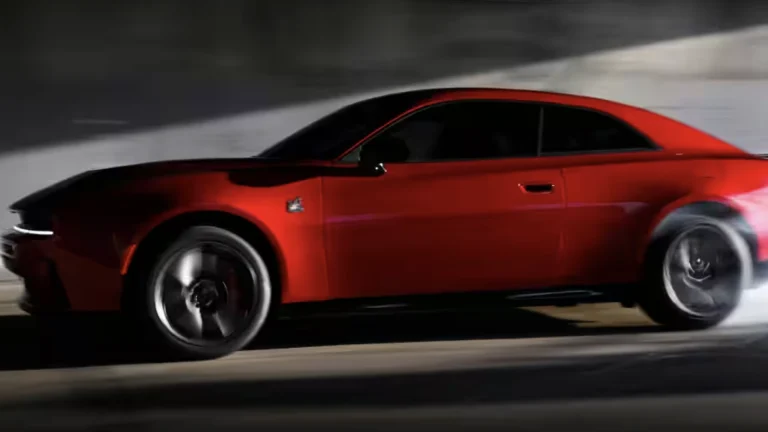
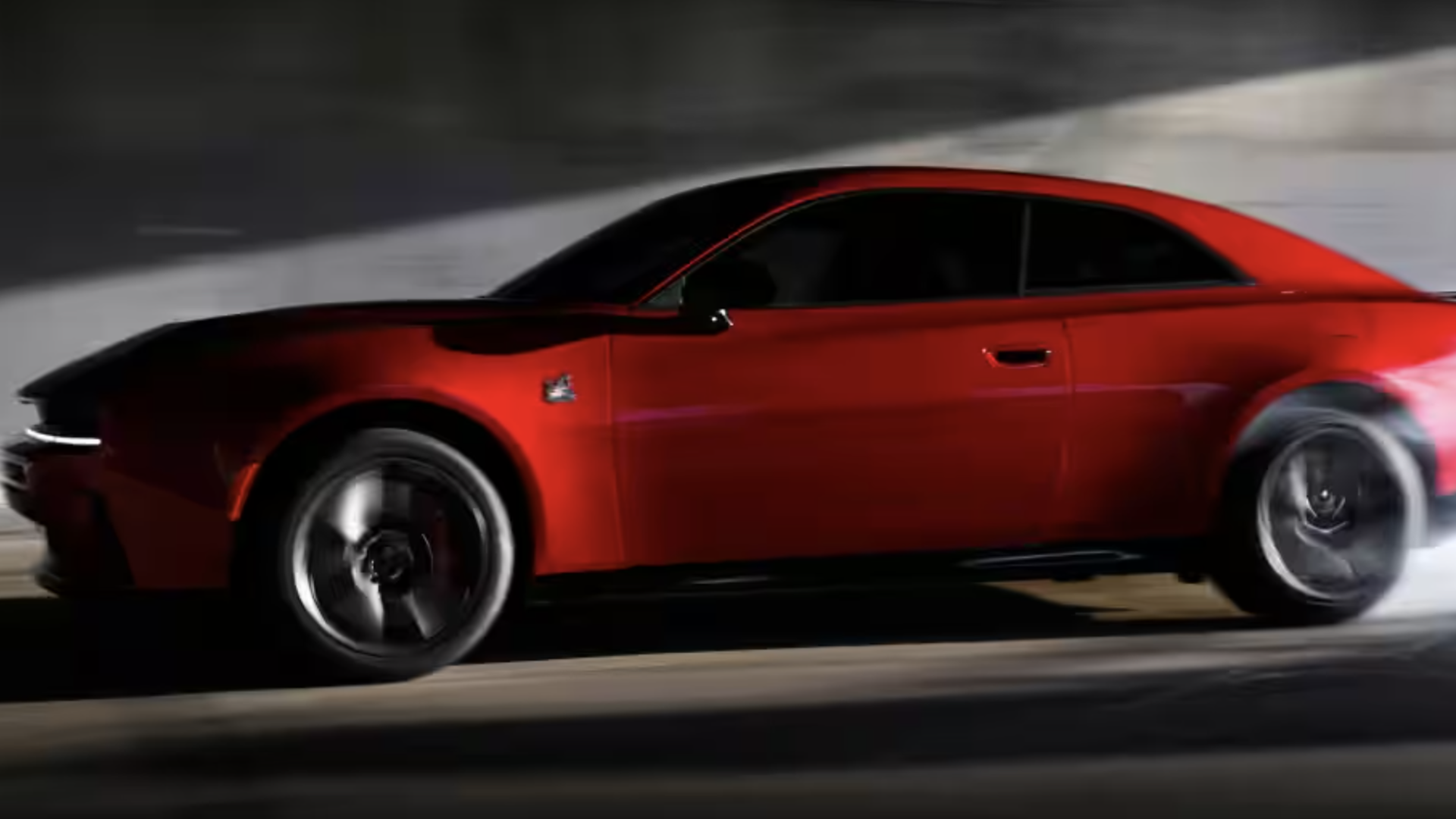
The eighth-generation Charger launched without a V-8 at all. Windsor Assembly in Ontario builds the gas Charger around the twin-turbo 3.0-liter Hurricane inline-six. In high-output Scat Pack form it makes 550 hp and 531 lb-ft. The same plant builds the 670-hp electric Charger Daytona Scat Pack.
Related Articles
- Ben Sulayem Puts F1’s V8 in 2030 at Rwanda’s Grand Prix Launch, a Year Before the FIA Could Impose It Alone
- Rivian’s Bill Murray Ghostbusters Mode Ghosts Itself on November 2
On paper, that six-cylinder already outruns the old naturally aspirated Hemis on output. Muscle car buyers have never purchased spreadsheets, though. They buy noise and cylinder count, and that’s the gap a supercharged V-8 would fill.
The Hellcat Engine Is Already Back in Production
The best evidence that a blown Hemi Charger is plausible is the Ram TRX, not the Charger. Stellantis has already revived the 6.2-liter supercharged Hemi for the 2027 Ram 1500 SRT TRX. It’s rated at 777 hp and 680 lb-ft, and the release frames it as following the 5.7-liter Hemi’s return to the Ram 1500.
Tim Kuniskis, who now oversees Stellantis’ American brands and SRT, spelled out the corporate mood in that announcement: “Our first moves were clear: revive the legendary HEMI® V-8 and reignite the SRT Performance Division.”
Revive the Hemi and reignite SRT. A Dodge Charger is the most obvious home for both. The engine line is running and SRT has a mandate. What Stellantis hasn’t announced is the car.
Why “Just Drop It In” Isn’t Simple
One line in the TRX release matters a lot for the Charger. To fit the supercharged Hemi to the Ram’s newer Atlantis electrical architecture, engineers had to revise the calibration of several modules, including traction control and the hands-free driver-assist system.
Expect the same headache, probably worse, in the Charger. The new car was engineered around a compact inline-six and an EV battery pack. A supercharged V-8 brings a few problems with it:
- Heat. A Hellcat-class engine needs far more cooling capacity than a twin-turbo six. That means radiator and intercooler space in a nose designed for something else.
- Packaging and crash structure. A V-8 is shorter than an inline-six but much wider. It’s also heavier up front, which changes the crash-load path engineers have already validated.
- Electronics. Every stability, launch, and driver-assist module has to learn a new torque curve. Software validation often takes longer than the metalwork.
None of this is impossible. Stellantis just showed with the TRX that it will pay for this kind of integration. It’s also why any V-8 Charger would arrive as a planned refresh, not a quick factory swap.
The Regulatory Door Swung Open
The cost side changed in 2025. The reconciliation law, Public Law 119-21, reduced the civil penalty for missing federal CAFE fuel-economy standards to zero. The standards still exist on paper, but missing them no longer costs an automaker anything in federal fines.
Related Articles
- Louisville Police Will Feed a Monster Truck a 2009 Charger With a Hellcat Engine They Say Was Stolen
- Spire Tells a Federal Court Chris Gabehart Is on Administrative Leave. Since When? The Brief Doesn’t Say
For a manufacturer weighing a low-volume, thirsty halo car, that’s a big change. In the last Hellcat era, every high-output V-8 sold carried a compliance cost. Now the main constraints are engineering budgets, emissions certification, and whether enough buyers show up.
What Owners and Shoppers Should Do With This
If you’re cross-shopping a Sixpack Charger right now, here’s the practical math:
- Don’t wait on rumor. Until Dodge publishes specs, pricing, or a production date, a V-8 Charger is a maybe. Plans change, especially for low-volume performance cars.
- Expect a price jump. The TRX starts at $99,995 before destination. A supercharged Charger won’t be priced like a Scat Pack.
- Budget for Hellcat running costs. Supercharged V-8s eat rear tires, brakes, and premium fuel quickly. If you’ve never priced insurance on a 700-plus-horsepower car, get a quote before you get attached.
- Think about resale. If a Hemi Charger does arrive, the Sixpack cars will hold value on their own merits. They’ll stop being the top gas Charger, though, and that position tends to carry a resale premium.
The engine is in production, and no federal fuel-economy fine stands in the way. Until Dodge publishes a commitment, treat the supercharged Charger as likely and still unconfirmed. Would you buy a Sixpack now, or hold out for a blown Hemi that Dodge hasn’t promised?
Images Via: Dodge
About the Author