The Jeep Wrangler has been the default answer to the question of what to buy for serious off-road use for decades. But the rise of the side-by-side UTV market has introduced purpose-built competition that challenges the Wrangler’s supremacy in specific off-road scenarios, raising a legitimate question about which platform actually wins when both are pushed hard.
What the Wrangler Brings
The Wrangler’s advantages are well established: solid front and rear axles, a low-range transfer case, Dana 44 differentials on higher trims, and a parts and modification ecosystem so large that practically any capability gap can be addressed with bolt-on solutions. It also functions as a legal road vehicle, drives to the trailhead under its own power, and can carry four adults plus gear in reasonable comfort.
What Side-by-Sides Do Better
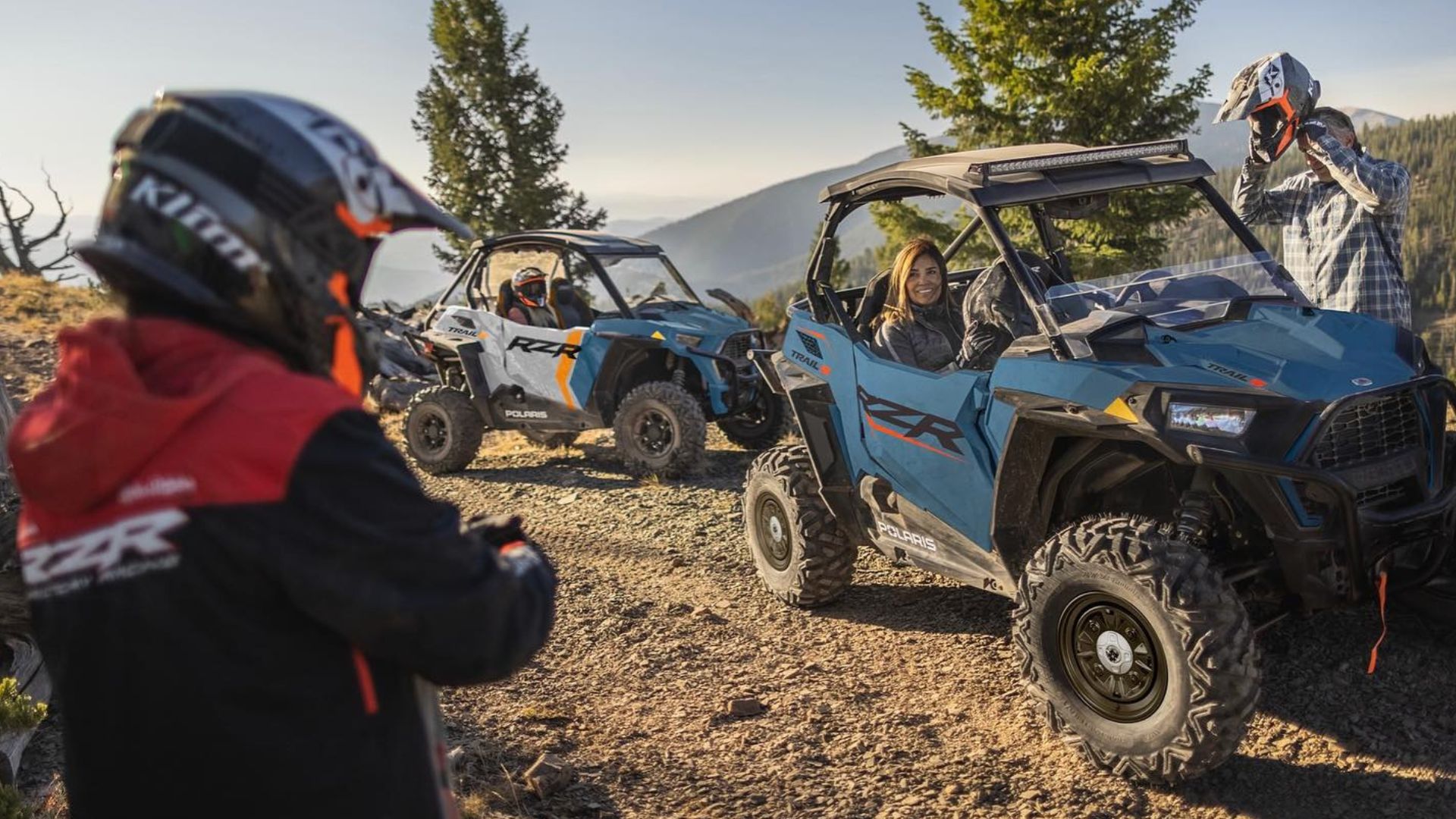
Modern sport UTVs from Can-Am, Polaris, and others bring significant advantages in certain terrain types. Their lighter weight, more aggressive geometry, and suspension travel exceeding 20 inches in some models allow them to cover rough terrain faster and absorb impacts that would require a Wrangler to reduce speed substantially. In rock crawling, their lower center of gravity and narrower width can be advantages in terrain that a Wrangler simply can’t access.
The Honest Answer
The better platform depends entirely on what you’re doing. For trail use that includes road travel, the Wrangler has no practical competition. For pure off-road performance in specific terrain, modern UTVs offer capabilities that a stock Wrangler can’t match. The two platforms are increasingly complementary rather than directly competitive, which is why many serious enthusiasts own both.
About the Author