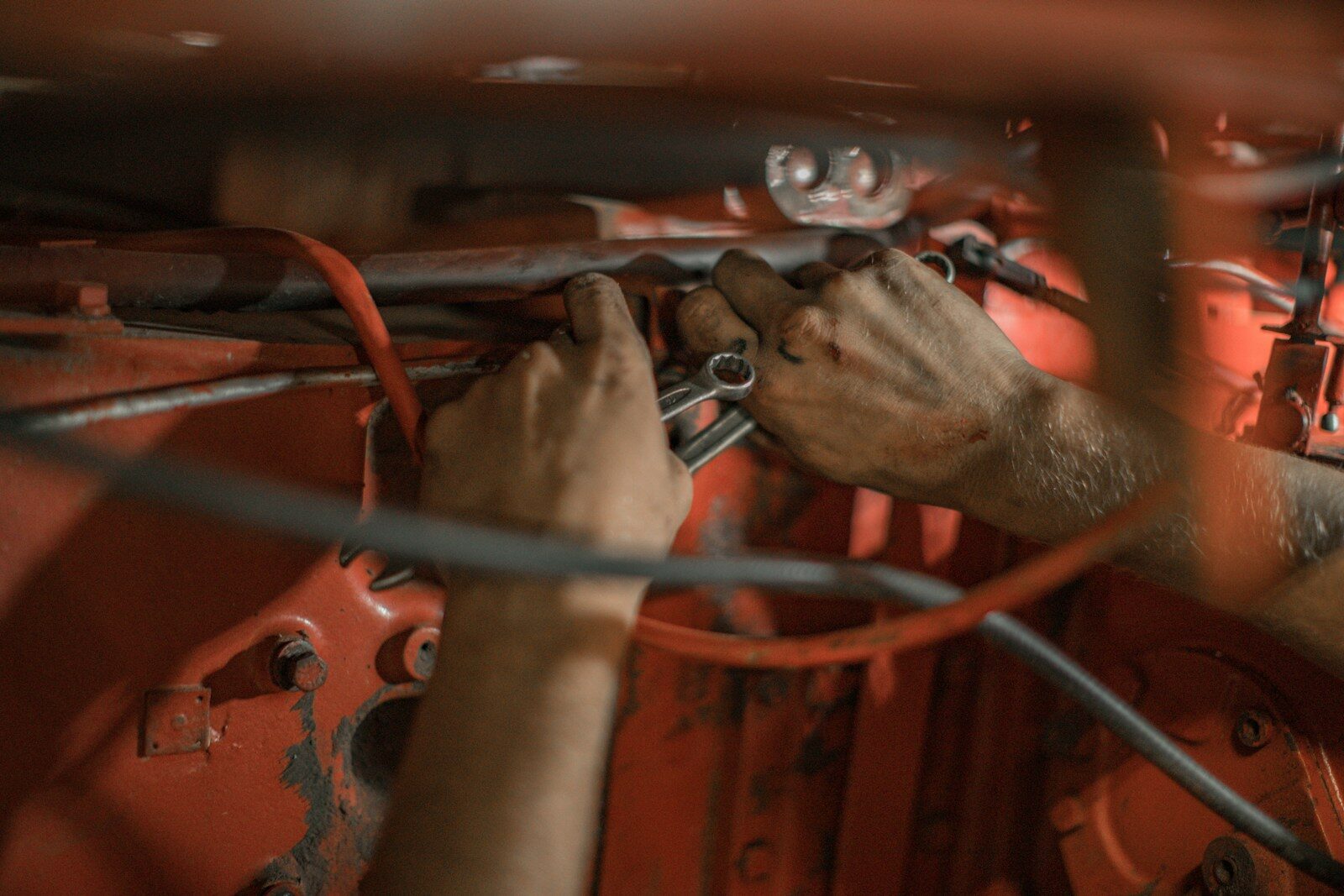
Doing your own maintenance saves money, builds confidence, and deepens your connection to your car. But a well-equipped garage does not happen overnight. This guide to the essential tools for the home mechanic lays out what to buy first, what to skip, and how to build a kit that handles real jobs without wasting money.
Check This Out: Best Dash Cams of 2026: How to Choose the Right One for Your Vehicle
Start With Quality Hand Tools
A solid ratchet and socket set in both metric and SAE, a set of combination wrenches, screwdrivers, and pliers forms the backbone of any garage. Buy mid-range quality once rather than cheap tools twice. These basics handle the majority of maintenance and light repair tasks.
Lifting Safely: Jack and Stands
Never work under a car supported only by a jack. A quality floor jack paired with rated jack stands is non-negotiable safety equipment. This is the one area where cutting corners can be fatal.
Torque Wrench: Precision Matters
Many fasteners, especially on wheels and engines, require specific torque. A click-type torque wrench prevents both dangerous under-tightening and damaging over-tightening. It is one of the most underrated tools a beginner can own.
Diagnostics for the Modern Car
An OBD-II scanner reads trouble codes and demystifies the check-engine light. Even an affordable model saves you guesswork and unnecessary parts purchases. Pair it with a multimeter for electrical troubleshooting.
Fluid and Maintenance Tools
Oil filter wrenches, a drain pan, a funnel, and a fluid pump cover routine service. These items make basic maintenance approachable and keep you out of the shop for simple jobs.
Organization and Lighting
A rolling tool chest and good lighting transform the experience. Time spent hunting for a tool is time not spent working. Good organization also fits naturally with the kind of careful care described in our car detailing guide.
Building Toward Bigger Projects
As skills grow, add specialty tools as specific jobs demand them rather than buying everything upfront. Whether you maintain a daily driver or a classic muscle car, a thoughtfully built toolkit pays for itself many times over.
Building Your Kit Without Overspending
The temptation to buy a massive tool set all at once is strong, but it often wastes money on tools you will never use. A smarter approach is to start with a quality core set and add specialty tools as specific jobs demand them. This way, every purchase is justified by a real need, and you learn which brands and styles you prefer before committing to expensive specialty equipment. Over time, this organic approach builds a genuinely useful, personalized garage rather than a wall of unused gadgets.
Where to Invest and Where to Save
Not all tools deserve equal investment. Spend on the items you use constantly and where quality affects safety or results, ratchets, sockets, a good jack, jack stands, and a torque wrench. You can save on occasional-use specialty tools, which sometimes make more sense to rent or borrow. Safety equipment, however, is never the place to cut corners; a quality jack and rated stands are non-negotiable, since a failure here can be fatal.
Tools for Specific Projects
As your skills grow, certain projects call for dedicated tools. Brake work, suspension jobs like those in our lift versus leveling guide, and detailing tasks each have their own essentials. A dash cam installation, for instance, benefits from basic electrical tools, as we note in our dash cam guide. Building your toolkit alongside your projects ensures you always have what you need without buying ahead of your skills.
Organization and Workspace
A well-organized garage transforms the experience of working on cars. A rolling tool chest, good lighting, a sturdy workbench, and labeled storage save enormous time and frustration. Time spent hunting for a misplaced tool is time not spent working, and a clean, organized space also makes detailing and maintenance more pleasant, complementing the careful approach in our home detailing guide and maintenance schedule.
The Confidence That Comes With Capability
Beyond the money saved, doing your own work builds a deep confidence and connection with your vehicles. Each job you tackle teaches you something new and makes the next one easier. Whether you maintain a daily driver, build a restomod, or restore a classic muscle car, a thoughtfully assembled toolkit is the foundation that makes it all possible. Start with the essentials, grow deliberately, and your garage will become a place you genuinely enjoy spending time.
Read Next: The 10 Best Outdoor Knives of 2026: Top-Rated Picks for Hunting, Camping, and Survival
Safety First, Always
No discussion of home mechanic tools is complete without emphasizing safety. Eye protection, gloves, proper ventilation, and the discipline to never work under a vehicle supported only by a jack are absolute essentials. Keep a fire extinguisher rated for the garage within reach, and never rush a job that involves the fuel system, electrical work, or anything supporting the vehicle’s weight. The most experienced mechanics are also the most careful ones, because they have seen what happens when corners are cut. A well-equipped garage is a safe garage, and that culture of safety is the most valuable tool you can own.
About the Author