Capable hardware means nothing without the skill to use it. Mastering off-road driving techniques is what separates drivers who flow through terrain from those who get stuck on it. This guide covers the fundamentals for the four most common challenges: mud, sand, rocks, and steep grades.
Check This Out: Best Dash Cams of 2026: How to Choose the Right One for Your Vehicle
The Universal Rule: Air Down
Lowering tire pressure increases your contact patch and traction across nearly every surface. Carry a deflator and a reliable inflator, items that belong alongside the rest of your essential off-road gear and a full recovery kit.
Mud: Momentum and Line Choice
Mud rewards steady, controlled momentum and the right line. Avoid sudden inputs that break traction, keep your wheels straight when possible, and follow existing ruts only if they are not too deep. Aggressive tires matter here, so review the best all-terrain options.
Sand: Float, Don’t Dig
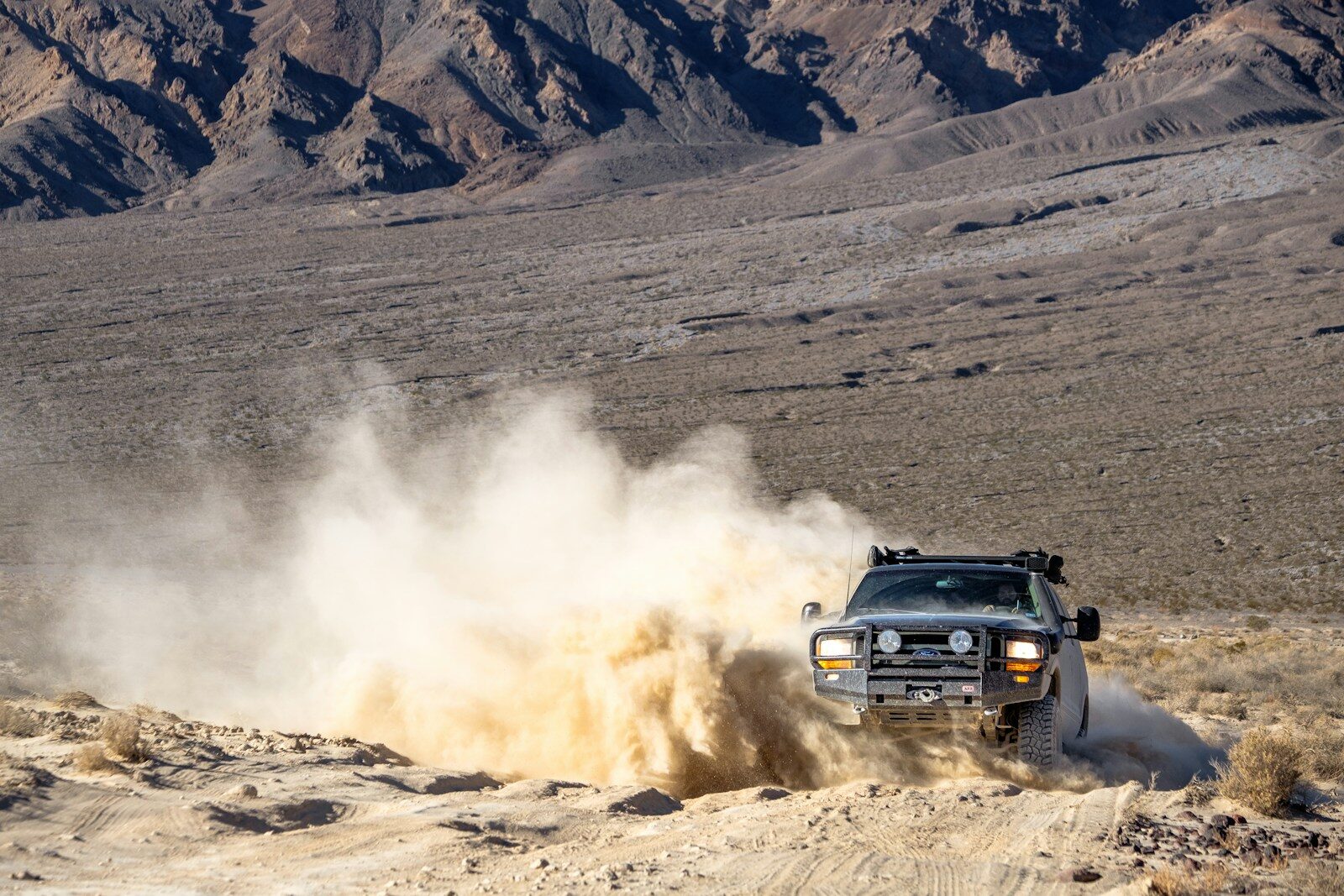
Sand demands low pressure and consistent speed to stay on top rather than digging in. Avoid stopping on inclines, turn gradually, and never spin the tires, which only buries you deeper.
Rocks: Slow and Deliberate
Rock crawling is the opposite of mud. Go as slow as possible, choose precise lines, and use a spotter for tricky obstacles. Ground clearance and approach angles matter, which ties directly into our suspension setup guide.
Hills: Commit and Control
Climb straight up with steady throttle and descend straight down using engine braking, not the brakes. Never attempt a hill you cannot see over, and if a climb fails, back straight down rather than turning across the slope.
Know Your Recovery Options
Even skilled drivers get stuck. Understanding recovery before you need it is essential, so study our recovery gear guide and practice in low-stakes conditions. If you are just starting out, our overlanding for beginners guide covers the broader basics.
Practice Builds Confidence
Start easy and progress gradually. Off-road skill comes from seat time, not horsepower. Master these fundamentals and the trail becomes a playground rather than a trap.
Reading the Terrain Before You Commit
The most skilled off-road drivers win battles before they begin, by reading terrain carefully and choosing the right line. Before tackling an obstacle, stop and walk it if necessary, identifying the firmest ground, the smoothest path, and any hidden hazards. Committing blindly to a mud hole or rocky climb is how drivers get stuck or damage their vehicles. A few minutes of observation often reveals a far easier route, and developing this habit of patient assessment is what separates confident wheelers from those constantly calling for recovery.
Throttle Control and Vehicle Settings
Modern off-road vehicles offer traction control modes, locking differentials, and terrain settings that dramatically affect capability. Learn what each does and when to use it. Smooth, measured throttle application is critical across nearly every surface; too much power spins tires and digs you in, while too little fails to maintain momentum. Mastering the relationship between throttle, traction, and terrain is the core skill that underpins everything else, and it only comes from seat time in varied conditions.
The Role of Tires and Pressure
Nothing affects off-road capability more than tires and the pressure you run them at. Airing down increases your contact patch and traction across mud, sand, and rocks alike, and a quality set of all-terrain tires transforms what your vehicle can handle. Carry a deflator and a reliable inflator as part of your essential kit, and remember to air back up before returning to the highway. Tire technique is often the difference between flowing through terrain and getting hopelessly bogged down.
Knowing Your Limits and Recovery
Even expert drivers get stuck, and knowing your recovery options before you need them is essential. Study our recovery gear guide, practice the techniques in low-stakes settings, and never venture into serious terrain without the equipment and knowledge to get yourself out. Equally important is the wisdom to recognize when an obstacle exceeds your skill or your vehicle’s capability. Turning back is not failure; it is the judgment that keeps you and your rig safe for the next adventure.
Building Skill Through Experience
Off-road mastery comes from practice, not horsepower or expensive modifications. Start with easy trails and progress gradually, ideally with experienced friends who can offer guidance and backup. Each outing builds the judgment and reflexes that make difficult terrain manageable. Pair your growing skills with sound preparation, the right suspension setup, and the broader knowledge in our overlanding for beginners guide, and the trail transforms from an intimidating challenge into an endlessly rewarding playground.
Read Next: The 10 Best Outdoor Knives of 2026: Top-Rated Picks for Hunting, Camping, and Survival
Respect for the Land and the Community
Skilled off-roading carries responsibility. Staying on established trails, minimizing your impact, and respecting both wildlife and other users keeps these areas open for everyone who follows. Reckless driving and trail damage are the fastest way to see access restricted or closed entirely. The best off-roaders are also the best stewards, treating the wilderness as something borrowed from future generations. Combine technical skill with this conservation mindset, and you become the kind of driver who elevates the entire community while ensuring there will always be trails left to explore.
About the Author