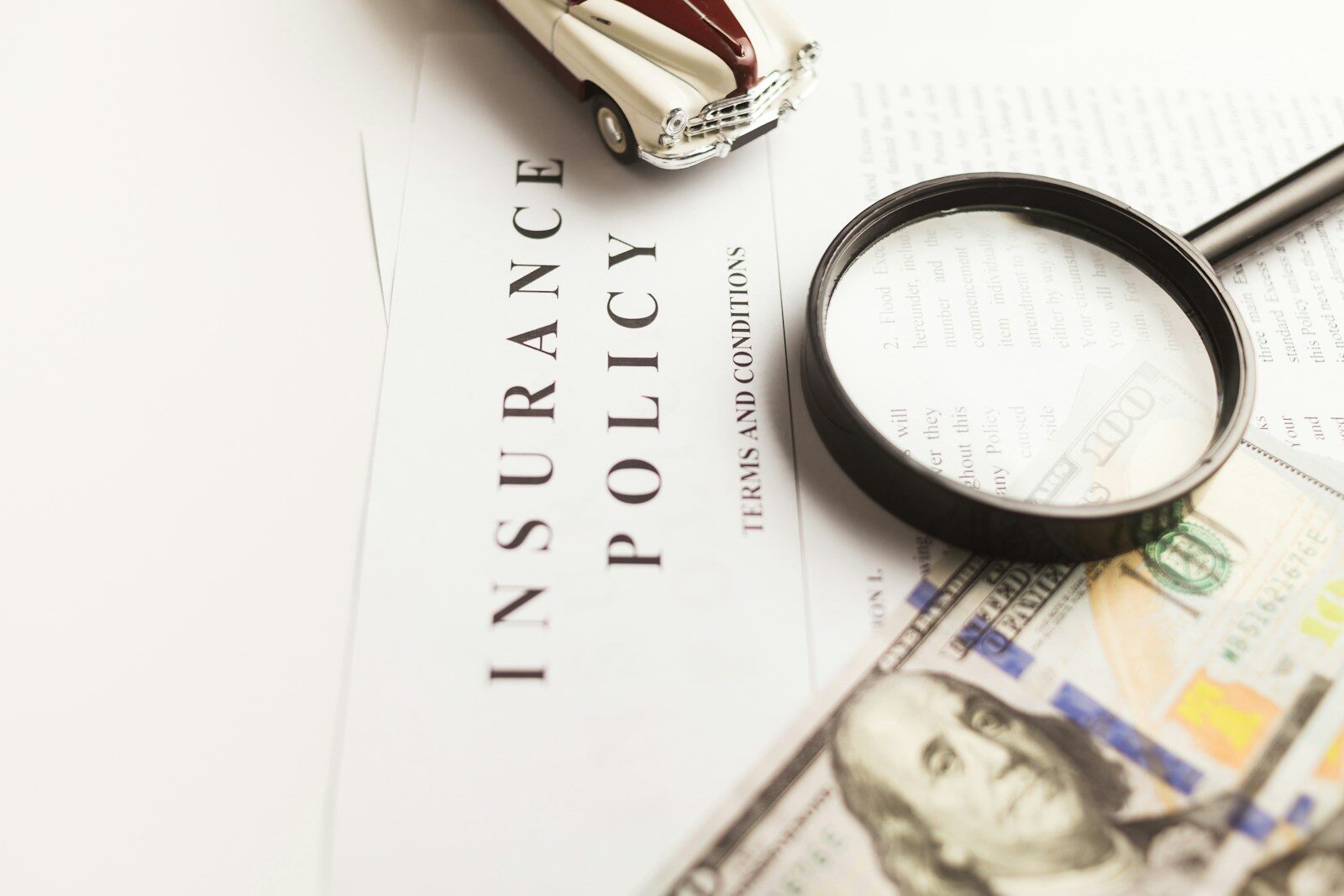
Car insurance is something every driver pays for and few truly understand. Getting car insurance explained clearly helps you avoid both overpaying and the far worse problem of being underinsured when it matters most. This guide breaks down the essentials in plain language.
Garage-worthy EDC gear, on sale this week.
Check This Out: Best Dash Cams of 2026: How to Choose the Right One for Your Vehicle
The Core Coverage Types
Liability covers damage you cause to others and is legally required almost everywhere. Collision covers your own vehicle in a crash, and comprehensive covers non-collision events like theft, weather, and vandalism. Understanding the difference is the foundation of a smart policy.
What Affects Your Premium
Insurers price risk using your driving record, location, vehicle, mileage, and more. A performance car or a frequently stolen model costs more to insure, something worth factoring in before you buy, as we note in our used car buying guide.
Deductibles and the Tradeoff
A higher deductible lowers your premium but means more out of pocket after a claim. Choose a deductible you could comfortably cover in an emergency, not just the one with the lowest monthly cost.
Insuring Collector and Classic Cars
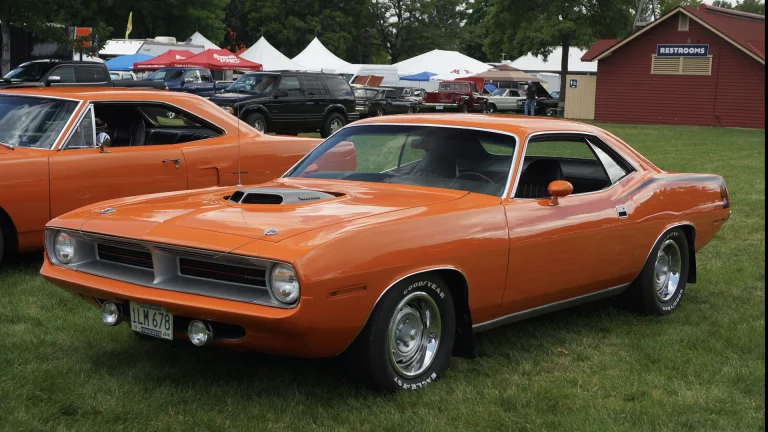
Classic and collector vehicles often need specialty agreed-value coverage rather than standard policies, which undervalue them. If you own or are buying through a collector car auction or chasing a barn find, talk to a classic-car specialist insurer.
How to Save Without Cutting Corners
Bundle policies, maintain a clean record, ask about every discount, and shop around periodically. Avoid the false economy of dropping coverage you would actually need after an accident.
The Underinsurance Trap
Minimum liability limits are often dangerously low. A serious accident can exceed them and leave you personally liable. Carrying adequate limits is one of the most important financial protections a driver has.
Review It Regularly
Your needs change as your vehicles and life change. Review coverage annually, especially after buying a new car or modifying an existing one, and you will stay properly protected without paying for coverage you do not need.
Liability Limits: Why Minimums Are Dangerous
State-mandated minimum liability limits are often dangerously low, sometimes covering only a fraction of what a serious accident actually costs. If you cause a crash that exceeds your limits, you can be held personally liable for the difference, putting your savings and assets at risk. Carrying higher liability limits costs surprisingly little compared to the protection it provides, and it is one of the most important financial decisions a driver makes. Never choose coverage based solely on the lowest premium; the cheapest policy can become the most expensive mistake of your life.
Comprehensive and Collision Explained
Beyond liability, collision coverage pays for damage to your own vehicle in a crash, while comprehensive covers non-collision events like theft, vandalism, weather, and animal strikes. Whether you need them depends on your vehicle’s value and your financial situation. For a newer or financed vehicle, both are usually essential or required. For an older car worth little, you might reasonably drop them. Understanding exactly what each covers helps you build a policy that protects what matters without paying for redundant coverage.
Insuring Specialty and Collector Vehicles
Classic, collector, and modified cars require special handling. Standard policies typically undervalue them, paying only depreciated market value after a loss. Agreed-value coverage from a classic-car specialist ensures you receive the full agreed amount, which is critical for appreciating vehicles like those bought through collector car auctions or discovered as barn finds. If you build a restomod, make sure your policy reflects the modifications, since standard coverage may exclude them entirely.
How to Save Without Sacrificing Protection
There are legitimate ways to lower premiums without dangerous gaps. Bundle auto with home or other policies, maintain a clean driving record, take advantage of every available discount, and raise your deductible to a level you could comfortably afford in an emergency. Shop around periodically, since loyalty rarely pays in insurance. The goal is to pay a fair price for genuinely adequate protection, not to chase the lowest number at the expense of coverage you would desperately need after a loss.
Review Your Coverage Regularly
Your insurance needs change as your vehicles and life change. Buying a new car, modifying an existing one, moving, or changing how much you drive can all affect what coverage makes sense. Review your policy at least annually and after any major change, and do not hesitate to ask your insurer questions. A policy that fit perfectly two years ago may leave you over- or under-insured today, and staying engaged ensures you are always properly protected without overpaying.
Read Next: The 10 Best Outdoor Knives of 2026: Top-Rated Picks for Hunting, Camping, and Survival
Insurance as Part of Smart Ownership
Ultimately, car insurance is not just a legal requirement but a cornerstone of responsible vehicle ownership. The right policy protects your finances, your assets, and your peace of mind, while the wrong one can leave you exposed at the worst possible moment. Treat insurance with the same care you bring to choosing, maintaining, and protecting your vehicle itself. Understand what you are buying, carry adequate limits, insure specialty vehicles appropriately, and review your coverage regularly. Approached thoughtfully, insurance becomes a quiet but essential part of enjoying your cars with genuine confidence.
About the Author