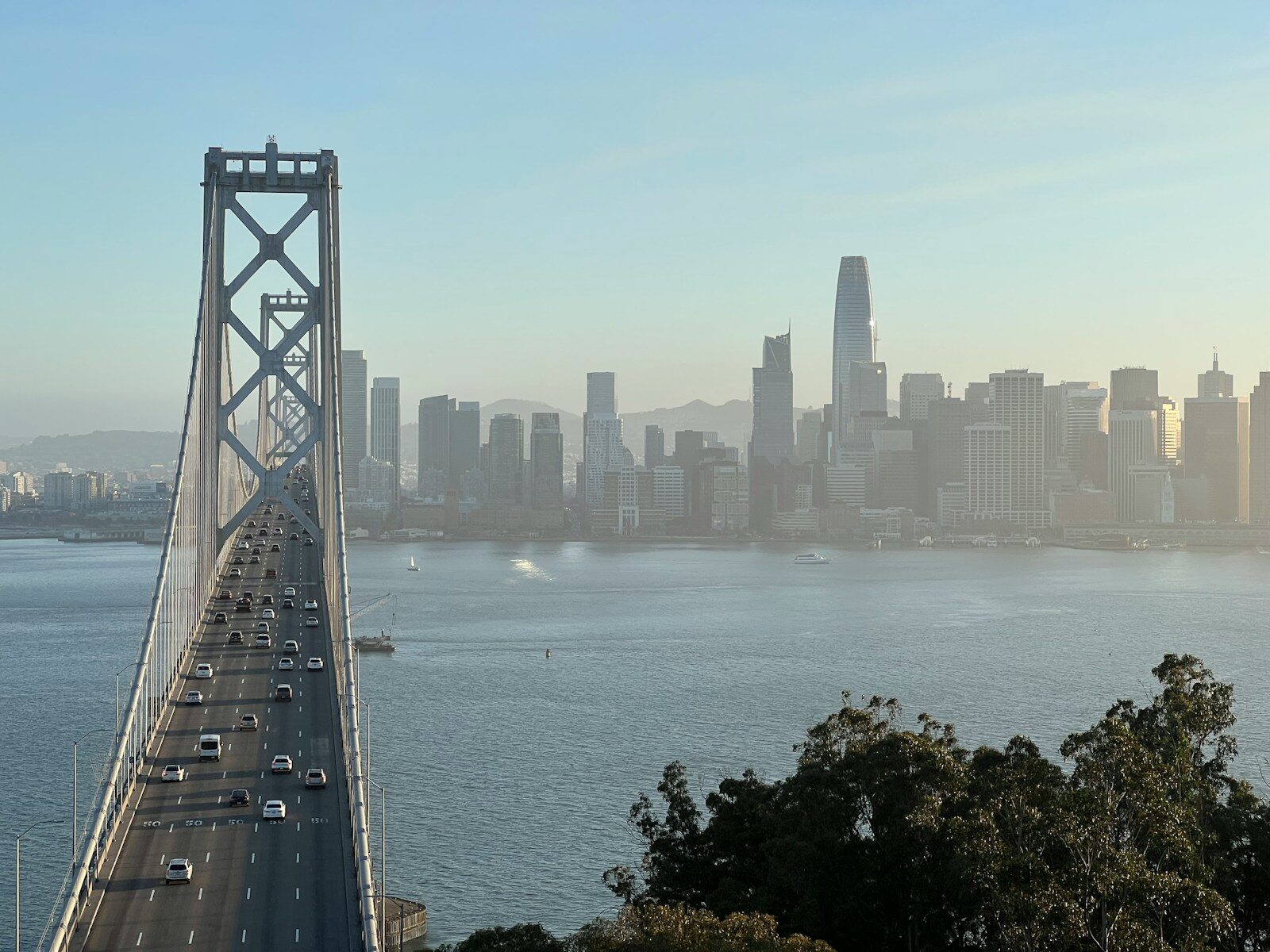
What started as another roaming Bay Area street takeover ended with riders trapped on the Bay Bridge, dozens of vehicles seized, and California law enforcement sending a message that illegal street riding groups may no longer be able to count on outrunning local police.
More Stories Like This
- Inside South Carolina’s $100 Million Driver Data Machine and Why Drivers Should Be Paying Attention
- McLaren Built A Le Mans Hypercar Too Extreme For Racing Rules And VIP Buyers Are Getting The Real Monster
- Motorcycle Left Hanging From Traffic Light After Violent Crash In Canada
By the end of the operation, authorities had impounded nearly 80 dirt bikes and ATVs, arrested nine suspects, and recovered two firearms after a coordinated shutdown involving more than 100 officers from multiple agencies. The crackdown also snarled traffic across one of the busiest commuter corridors in Northern California as police blocked exits and boxed riders into a shrinking escape zone.
This was not a routine response to another weekend stunt ride. It looked more like a calculated enforcement strategy built weeks ahead of time.
According to Oakland Police Department officials, the chain of events began May 3 when dozens of riders gathered in San Leandro before unloading dirt bikes and ATVs at a local park. From there, the group moved into Oakland and eventually spread across multiple Bay Area cities, including Berkeley and San Francisco.
Authorities said reports started flooding in around 4:45 p.m. as riders overwhelmed intersections and moved through city streets in large numbers. The group reportedly spent close to an hour riding through San Francisco before turning back toward the Bay Bridge.
That detail matters because police agencies were already coordinating behind the scenes by the time the riders headed toward the bridge.
Oakland police, San Francisco police, and the California Highway Patrol worked together to build a containment operation on the eastbound side of the Bay Bridge. Officers established roadblocks and shut down potential exits, effectively trapping riders between enforcement teams.
Video from the scene showed riders weaving through heavy traffic searching for openings before realizing escape routes had been sealed off. Some reportedly attempted to reverse direction while others abandoned their bikes entirely and ran.
For commuters caught in the middle of it, the operation created major delays and traffic backups across the bridge. But authorities clearly decided the disruption was worth it if it meant finally regaining control over a problem that has frustrated Bay Area drivers and residents for years.
Illegal street takeovers involving dirt bikes and ATVs have become increasingly difficult for cities to manage because groups move quickly across jurisdiction lines. Riders can flood intersections, shut down traffic, and disappear into another city before local agencies organize a response.
This time, police appear to have anticipated exactly how the group would move.
More than 100 officers reportedly participated in the operation, including motorcycle units, SWAT officers, and traffic enforcement teams. That level of deployment showed just how seriously authorities viewed the situation.
And then came the arrests.
Police said nine suspects were taken into custody after the bridge operation closed in around the group. Five reportedly face misdemeanor charges, while four are facing felony charges connected to the incident.
One suspect allegedly fled the scene and attempted to avoid capture by hiding in the water nearby. Authorities also recovered two firearms during the operation, a detail that immediately changed the tone surrounding the event.
This is where the story turns from a reckless public nuisance into something law enforcement agencies are likely treating as a broader public safety threat.
For years, many illegal takeover groups operated with the assumption that local agencies could not coordinate quickly enough to stop them. Riders could move between cities faster than departments could communicate, leaving frustrated drivers stuck in gridlock while police struggled to respond.
The Bay Bridge operation flipped that dynamic completely.
Instead of reacting after intersections were blocked and traffic shut down, agencies coordinated regionally and created a controlled containment point. Whether people agree with the tactics or not, the strategy worked exactly as intended.
Dozens of vehicles were seized. Riders were cornered. Arrests followed.
And authorities made it clear they are not finished.
You Should Read This Next
- 140 MPH Chevy Malibu Police Chase Ends In Violent Rollover After Driver Tries To Outrun Arkansas Trooper
- Mercedes-Maybach Refuses to Kill the V12 as America Becomes the Last Safe Haven for 12-Cylinder Luxury
- Ferrari 488 Pista Destroyed in Moscow Crash as Rapper Navai’s Speed Claim Faces Scrutiny
- Abandoned 455 Pontiac Trans Am Found Rotting in Junkyard as Muscle Car Fans Debate Whether It’s Worth Saving
Oakland Interim Police Chief James Beere warned investigators would continue identifying participants and pursuing additional arrests after the event. That suggests authorities are now focused not only on the riders who were trapped on the bridge, but also on the larger organization behind these events.
That’s where things get complicated for the broader enthusiast community.
Large-scale illegal riding operations continue putting pressure on cities and lawmakers to escalate enforcement efforts. The problem is those responses rarely stay limited to the people actually causing the chaos.
Legitimate riders and enthusiasts often end up dealing with increased scrutiny, heavier enforcement, and tighter restrictions after incidents like this dominate headlines. Many within car and motorcycle culture have argued for years that cities struggle to separate organized illegal activity from enthusiasts who follow the rules and participate in legal events.
That frustration has only intensified as takeover culture spreads across major cities.
In this case, though, authorities clearly believed the scale of the operation justified an aggressive response. Riders weaving through active bridge traffic and crowded city streets leave almost no room for error. One crash in dense commuter traffic could easily pull innocent drivers into a dangerous situation they never asked to be part of.
And the recovery of firearms only strengthened the argument for a large tactical response.
Police also impounded several vehicles allegedly used to transport the dirt bikes and ATVs into the Bay Area before the ride began. That detail suggests investigators are now looking beyond the riders themselves and examining how these events are organized logistically.
Here’s the bigger issue underneath all of it.
Street takeover groups and illegal riding crews are no longer isolated neighborhood problems. They now operate across multiple cities, moving quickly enough to overwhelm local enforcement efforts unless agencies coordinate in real time.
The Bay Bridge operation showed what happens when departments stop working independently and start functioning like a regional task force. Riders who likely expected another easy escape suddenly found themselves trapped on one of California’s busiest bridges with nowhere left to go.
That changes the equation moving forward.
Because if California agencies continue using coordinated containment tactics like this, illegal takeover groups across the state could be facing a very different reality the next time they try to take over city streets.
Continue Reading: VW Tiguan Burn Lawsuit Heads to Trial After Driver Claims Heated Seat Left Her With Second-Degree Burns