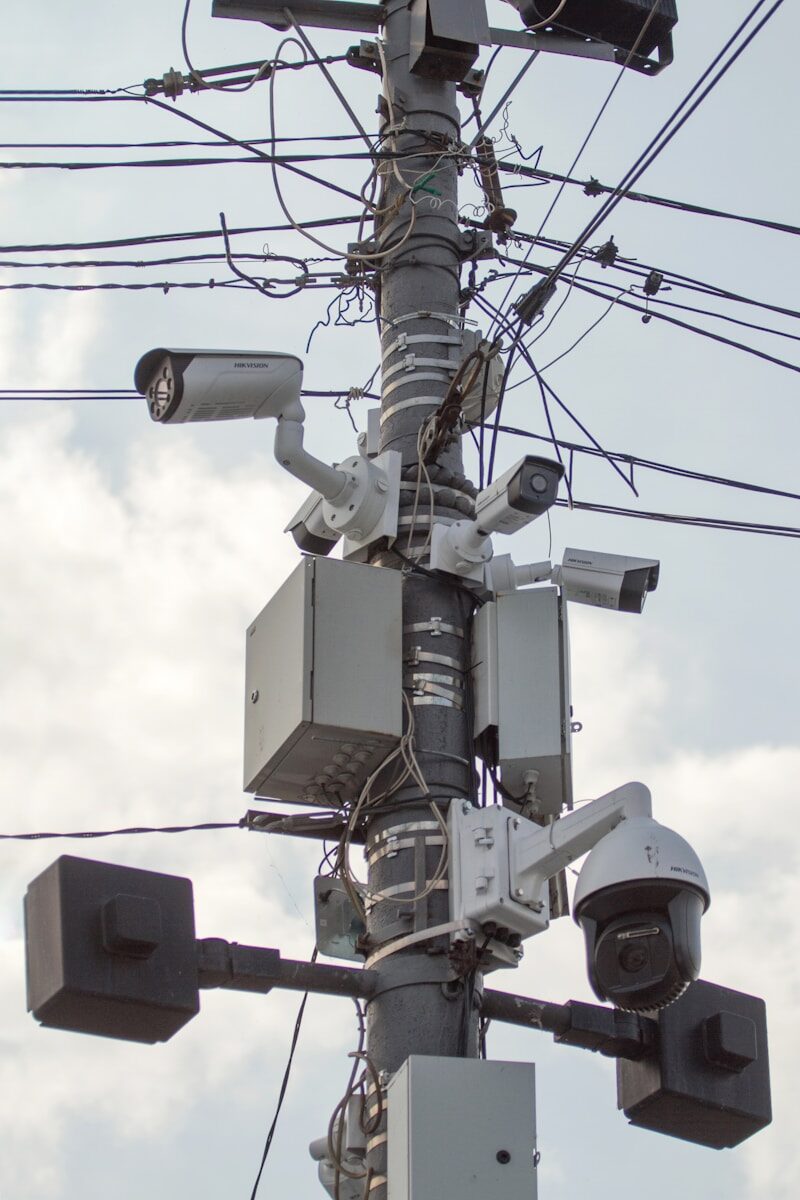
Oakland paid for a camera network built to catch stolen cars, and then turned off the part that catches stolen cars. That is the short version of what happened, and it is every bit as backward as it sounds. The technology worked so well at firing off alerts that the police department could not keep up, so it shut a large chunk of the system down.
This is the kind of outcome that should stop a city council mid-signature. The whole pitch behind automated license plate readers is that they let thin police departments stretch their reach. Oakland’s experience flips that promise on its head.
Check out: 10 Gifts for Car People That Don’t Suck (and Don’t Cost a Fortune)
A Firehose Nobody Could Drink From
A newly released Oakland Police Department report puts hard numbers behind the mess. The city’s Flock Safety camera network generated 1,099,837 hotlist alerts in 2025. More than 620,000 of those flagged stolen license plates alone.
That volume is the entire problem. The department says it did not have the staffing or the resources to chase that kind of flood, so it disabled the alerts for stolen vehicles and stolen plates outright. The feature these systems are sold on became the feature Oakland could not actually use.
Think about what that means in practice. A tool meant to make an understaffed department more efficient instead created a backlog so massive that ignoring it became the realistic option. When a system produces more work than humans can physically handle, it stops being help and turns into noise.
Sold as a Force Multiplier
The marketing on these networks leans hard on one idea. Police departments, elected officials, and Flock itself have all framed the cameras as a way for short-staffed agencies to identify suspects and recover stolen cars faster. On paper it is a clean argument. Oakland disproved it with the flip of a switch.
10 Weird but Genius Amazon Finds Every Car Guy Secretly Wants
The department has not walked away from the cameras completely, though. Speaking recently to Oakland’s own Privacy Advisory Commission, Lt. Gabriel Urquiza described the technology as one piece of a wider push to reduce violent crime. So the system is still running, just leaned on selectively. That is a quieter way of admitting the original promise did not survive contact with reality.
The Fight Over What a Million Alerts Really Means
Not everyone counts those numbers the same way, and here is where it gets complicated. Critics highlighted by Oakside.org argue the totals are misleading by their very nature. A single stolen car can trip dozens of alerts as it drives past camera after camera over days or weeks, so a million alerts does not translate to a million stolen vehicles.
Check out: The 10 Best Outdoor Knives of 2026: Top-Rated Picks for Hunting, Camping, and Survival
Bryan Culbertson made that case bluntly. He argued the sheer volume of alerts actually exposes how little the system delivers. By his math, only about 3,000 vehicles were actually stolen over that same window, yet Flock spat out roughly seventy times that many alerts for officers to wade through. From that angle, the cameras are not catching more criminals. They are burying the department under repetitive pings for the same handful of cars.
The disagreement spilled into public view when Flock Chief Strategy Officer Rahul Sidhu responded on social media. He acknowledged that the volume of alerts would be hard for any resource-strapped department to manage. That is a striking thing for the company to admit, because trouble managing the output cuts directly against the efficiency the product is supposed to deliver.
Why Drivers Should Care
Strip away the argument over how to tally the alerts, and Oakland points to a problem that reaches well past one city. Modern policing tech can churn out a staggering amount of data. But data only helps if it is accurate, and even accurate data is useless if there are not enough officers to act on it.
That is the trap a lot of departments are wandering into. The cameras go up, the contracts get signed, and everyone assumes more information automatically means more crime solved. Oakland shows what happens when the information arrives faster than people can process it. The system does not crash in a dramatic way. It just gets switched off in the background while the sales pitch keeps promising results.
For drivers and residents, that is the part that should sting. A city blanketed its streets with surveillance, generated more than a million alerts, and still could not keep pace with stolen cars. So the blunt question is worth asking out loud. If the cameras are watching everything and nobody has the time to respond, who is this technology actually serving?
Source
About the Author