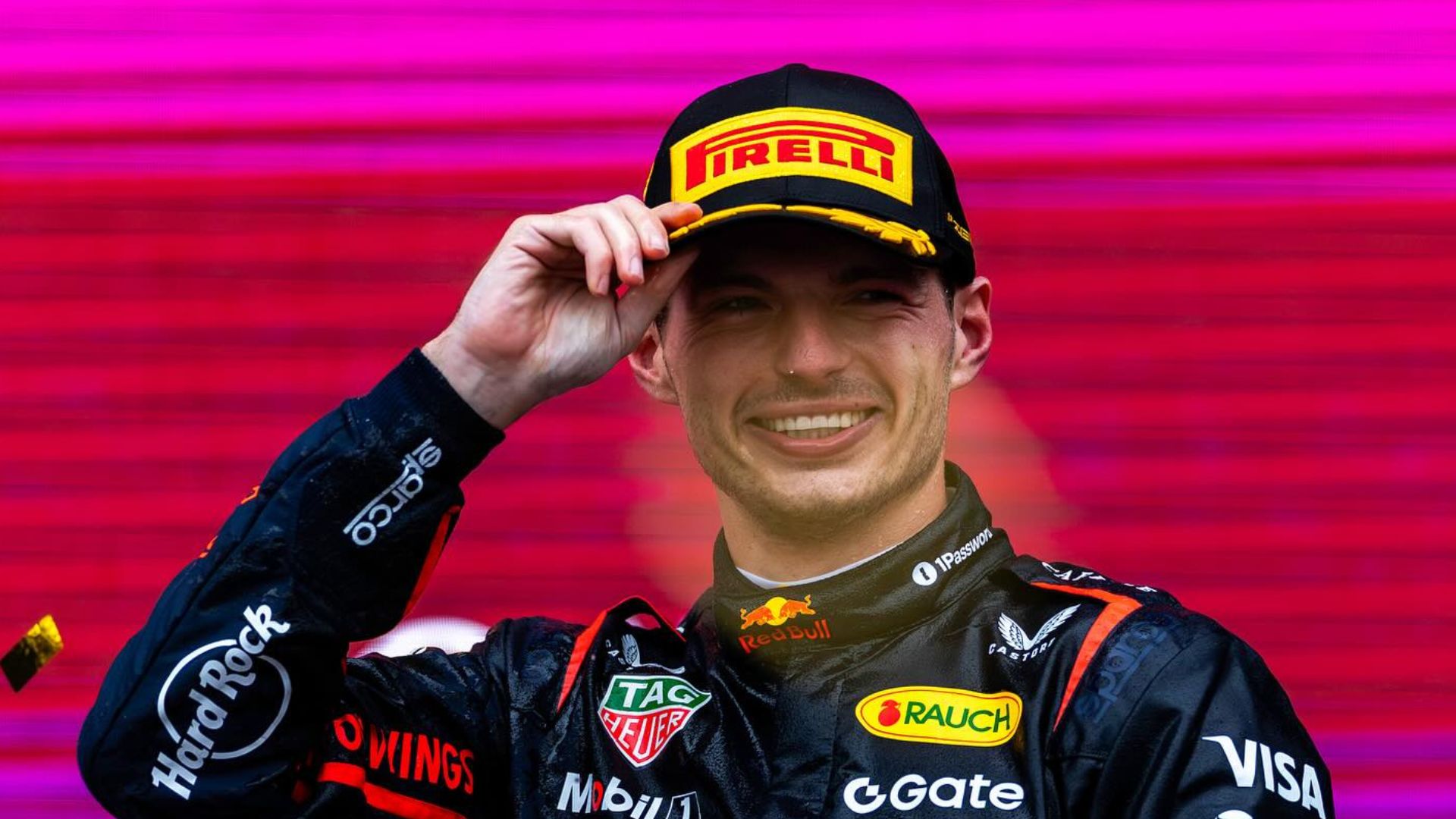
Image via Oracle Red Bull Racing/Facebook
Formula 1 sold the 2026 regulations as smarter, greener, and more advanced. Max Verstappen just called them something else entirely: anti-racing.
What Verstappen Actually Experienced
After 136 laps in Red Bull’s new-generation car during preseason testing in Bahrain, the four-time world champion didn’t soften his assessment. The car isn’t fun to drive, he said, and not because it’s slow or because Red Bull missed the technical target. It’s because the new rulebook shifts the entire driving experience from attacking a lap to managing one.
The 2026 cars place a much heavier emphasis on energy deployment than their predecessors. Drivers can no longer simply push flat out without draining the battery and compromising straight-line speed on the following straight, which means every brake input, gear choice, and throttle lift now carries amplified strategic consequences. For purists, that’s a meaningful shift away from what Formula 1 has always been. It starts to look like resource conservation dressed up as racing.
The Formula E Comparison That Stings
Verstappen compared the feel to an overcharged version of Formula E, a series explicitly built around energy strategy rather than raw, relentless pace. He was careful to note the car’s proportions and aesthetics look fine; his issue isn’t how it looks. It’s the underlying philosophy of what a driver is now optimizing for lap to lap. Coming from a driver who’s spent years voicing concerns about the direction of these regulations, this isn’t a new complaint so much as a live confirmation of what he’d already predicted.
Norris Sees It Differently
Lando Norris pushed back on the criticism, arguing that adapting to a new challenge is simply part of the job drivers are well compensated to do, and that the cars remain enjoyable to anyone willing to adjust. It’s a fair point about professionalism, but it sidesteps the actual concern being raised. This was never really about salary or willingness to adapt. It’s about whether the fundamental identity of Formula 1, built for decades on drivers pushing physical limits rather than managing a battery budget, still holds under the new rules.
Why This Matters Beyond One Driver’s Opinion
Fans don’t tune in to watch energy management spreadsheets play out lap by lap. They tune in to watch drivers attack corners at the absolute limit. Verstappen has also hinted that how much he enjoys driving factors into how long he stays in the sport beyond his current Red Bull deal, which runs through 2028, which raises the stakes on this complaint considerably. The 2026 regulations are locked in for years regardless of how testing feedback lands, but if the sport’s biggest star keeps describing the product as neutered, the pressure on regulators to revisit the formula before the next cycle will only build.
About the Author