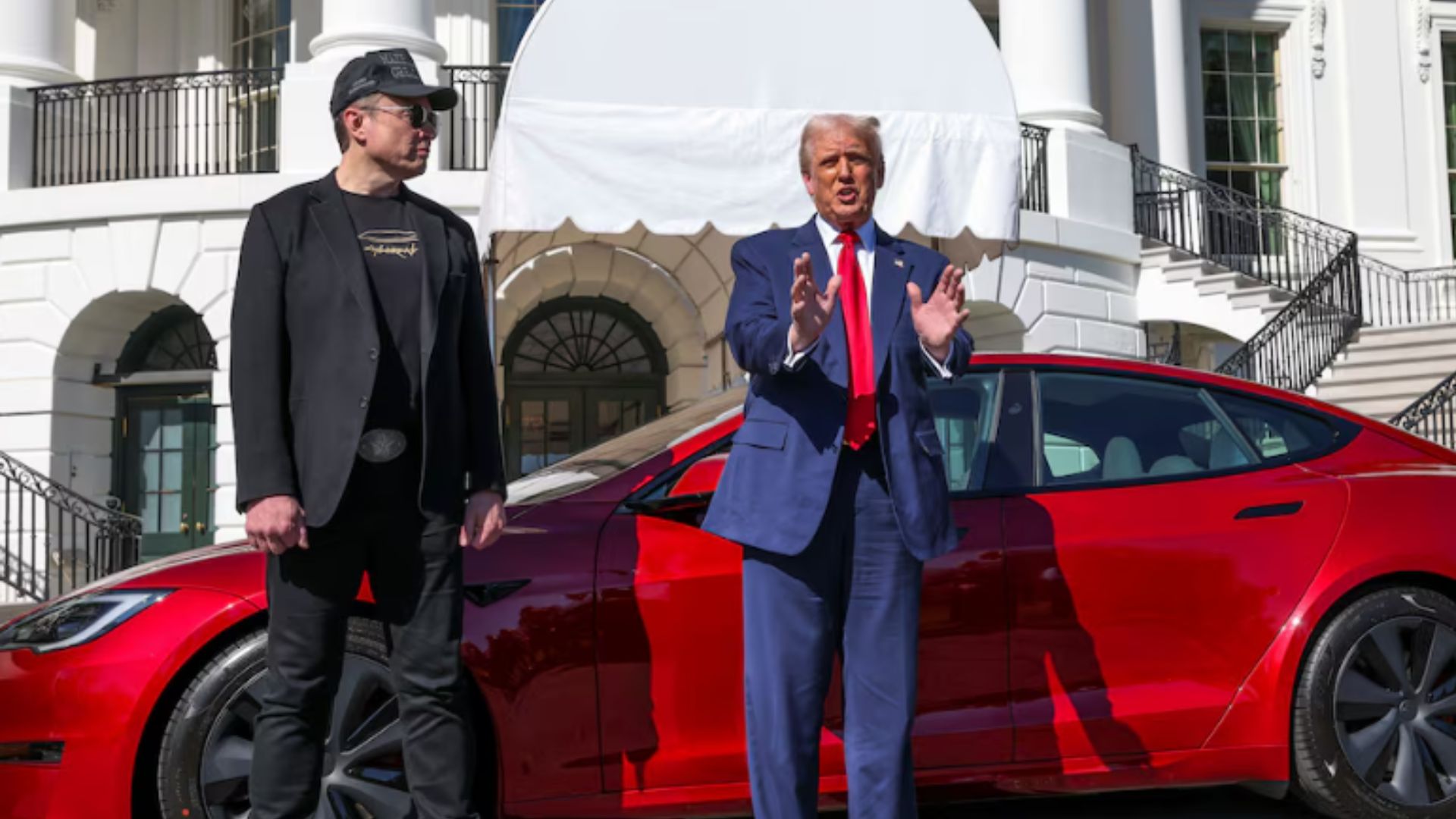
President Donald Trump has revoked the 2009 endangerment finding, a landmark federal determination that greenhouse gases pose a danger to public health, unwinding a pillar of U.S. climate regulation that has stood since the first year of the Obama administration.
What the Endangerment Finding Actually Did
The finding, issued by the EPA in 2009, concluded that six greenhouse gases, including carbon dioxide and methane, threaten human health and welfare. With Congress divided over climate legislation at the time, that determination became the legal foundation the federal government relied on to regulate emissions from vehicles, power plants, oil and gas operations, landfills, and aircraft. Revoking it doesn’t just change one rule; it removes the legal basis several other rules were built on top of.
How the Administration Is Framing the Move
The White House has described the reversal as the largest deregulation effort in American history, arguing it will lower costs for both consumers and industry. Administration officials say undoing the rule could save more than $1 trillion and cut vehicle production costs by roughly $2,400 per car, which they argue could translate into lower prices and lower energy expenses for consumers. Trump has sharply criticized the original finding, calling it harmful to the auto industry and a driver of higher consumer costs, and has tied it to broader Democratic climate policy he describes as economically damaging.
How Critics Are Pushing Back
Environmental advocates and former officials describe the rollback as the most sweeping attempt yet to weaken U.S. climate policy. Analysts with environmental groups estimate the change could lead to roughly $1.4 trillion in additional fuel spending nationwide due to less efficient vehicles, and they project meaningful public health consequences, including tens of thousands of additional premature deaths and millions more asthma attacks tied to increased emissions. Legal experts note the endangerment finding has also shielded the federal government from certain climate-related lawsuits while centralizing regulatory authority, and its repeal could open the door to a wave of litigation from states and nonprofit groups seeking clarity on how greenhouse gases will be regulated going forward.
The Contested Science Behind the Move
The administration’s proposal leans in part on a recent Energy Department report that questions prevailing climate science. Critics argue the panel that produced the report was unrepresentative and methodologically flawed, and a federal judge has already ruled that the Energy Department violated the law in how it assembled the team behind it. That legal defect alone could become a central issue as the rollback faces challenges in court.
What This Means for Automakers and the Road Ahead
The reversal could complicate life for U.S. automakers in a specific way: some observers warn that producing less fuel-efficient vehicles for the domestic market could make American cars less competitive in overseas markets that maintain stricter emissions standards of their own, potentially forcing manufacturers to build different vehicles for different markets rather than a single global lineup.
Many legal analysts expect this dispute to eventually reach the Supreme Court, in a case that could determine whether federal climate regulation under the Clean Air Act can be permanently curtailed or whether a future administration could simply reinstate the finding once again.
About the Author