Tom Cruise doesn’t do quiet entrances, and he wasn’t about to start one at Daytona. Before NASCAR’s Cup Series regular-season finale on August 29, the 64-year-old actor climbed out of a black Chevy Suburban, walked into the drivers’ meeting, hopped over a row of potted plants, and landed on a stage in front of roughly 40 drivers, team owners, sponsors and a room full of military guests. Then he confirmed what the garage had suspected for nearly two years: he’s making another “Days of Thunder.”
What We Know So Far
Cruise will reprise his role as Cole Trickle, the hot-headed rookie who tore through the Cup Series in the original 1990 film, with Anne Hathaway joining the cast as a team owner and engineer. Paramount Pictures has the follow-up dated for June 2, 2028, with Cruise producing alongside Jerry Bruckheimer and Tommy Harper, Jonathan Levine directing, and Will Staples writing the script. Cameras are expected to roll in early 2027, meaning production will be working around NASCAR’s own packed 2027 schedule for at least part of the shoot.
Before the stage stunt, Cruise and his writing team spent real time with drivers and team owners, asking about their routines and how the sport has changed in the 36 years since the original hit theaters. Chase Briscoe, who has had an eventful season on and off the track, said Cruise sat with his group for close to 20 to 25 minutes explaining his vision for the film before most people in the room realized what was happening.
Why the Garage Is Already Angling for Cameos
That level of access explains why the requests started immediately. Joey Logano — a three-time Cup Series champion with 71 career wins — said landing a cameo would earn him “wicked cool dad points” with his five kids. Briscoe said he’d take any involvement he can get, even if it’s just his own car appearing on screen. Kyle Larson took the self-deprecating route, joking that he’d rather stay off camera than risk making the movie worse, which is a fair trade coming from someone who’s paid to drive, not deliver lines.
The Original’s Strange Path From Punching Bag to Cult Classic
There’s a reason today’s stars are this eager to get near the reboot. The original “Days of Thunder” was critically drubbed on release in 1990, then aged into something more valuable inside the sport than good reviews: a movie garages still quote decades later. Cole Trickle was loosely inspired by Tim Richmond, the talented and famously unconventional Cup Series driver who died in 1989, and the production leaned on real NASCAR royalty for authenticity, casting Richard Petty, Rusty Wallace, Neil Bonnett and Harry Gant in cameo roles.
Hendrick Motorsports’ Fingerprints, Then and Maybe Now
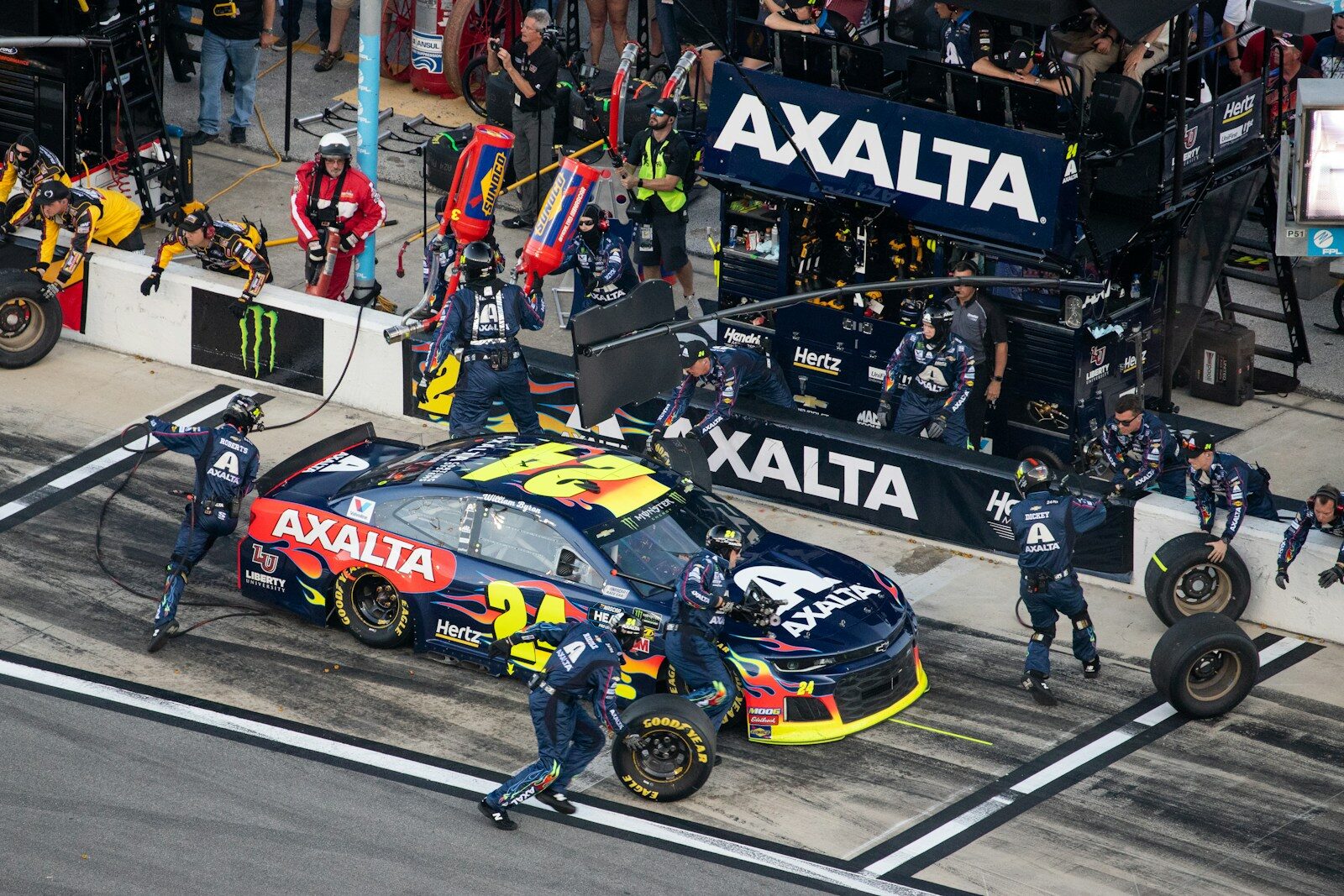
Hendrick Motorsports had real involvement in the first film, building and prepping the stock cars used in production, and Trickle’s on-screen car carried sponsorship from City Chevrolet, a dealership actually owned by Rick Hendrick. That history is relevant now because Jeff Gordon, Hendrick’s vice chairman and a four-time Cup Series champion, has spent years personally pushing Cruise to make a sequel happen. The two have been friends since Cruise showed up to honor Gordon at his 2015 retirement banquet, which makes Hendrick Motorsports a logical, if unconfirmed, candidate to build cars for the new film much like it did the first time around.
The Real Risk of Filming Stock Cars at Actual Speed
Filming stock cars at genuine speed isn’t a special-effects trick, and Cruise knows it firsthand. He has recalled shooting on Daytona’s backstretch during the original production at roughly 180 mph with two heavy cameras mounted to the car when the hood tore off and the car caught fire, and radio communication was unreliable enough in that section of track that his crew couldn’t reach him to call it off. That dead zone, by his account, still exists today. It’s a reminder that racing movies carry liability exposure well beyond a typical movie stunt: productions need cleared track time, medical and safety crews on standby, and cars engineered to survive repeated takes and camera rigs that a real Cup Series chassis was never designed to carry.
Why a Hollywood Sequel Actually Matters for NASCAR’s Business
NASCAR’s relationship with Hollywood has been wildly inconsistent since 1990. “Talladega Nights” turned into a genuine hit and a permanent part of the sport’s vocabulary, while other attempts, like the short-lived Kevin James Netflix comedy “The Crew,” came and went without leaving a mark. A tentpole Paramount release with two A-list leads and a summer release date is a different kind of swing, and it lands while the sport is already chasing new audiences and reviving nostalgic dates like North Wilkesboro. A hit movie can do more for casual awareness in a few months than most marketing budgets manage in years, and every sponsor logo that stays legible on screen is free advertising a team would otherwise have to buy.
Cruise isn’t even the first major star to take stock car racing seriously off screen. Paul Newman raced competitively and won at Daytona in real life, and one of his old winning Mustangs recently proved that Hollywood’s fascination with motorsport has always cut both ways.
The Collector Angle
There’s also a collector market worth watching here. Movie-famous machines tend to hold value long after a film leaves theaters — a screen-accurate build can fetch real money on its own — and a high-profile sequel typically reignites interest in the original’s surviving cars and parts right along with it.
None of the cameo requests are official yet, and NASCAR has only said it’s interested in being involved without confirming any specifics. But the scramble says something honest about where the sport’s biggest stars still put their star power: not in trying to become actors, but in hoping Cruise’s crew hands them a line, a car cameo, or just a seat in the crowd of a movie their kids already know by heart.
About the Author