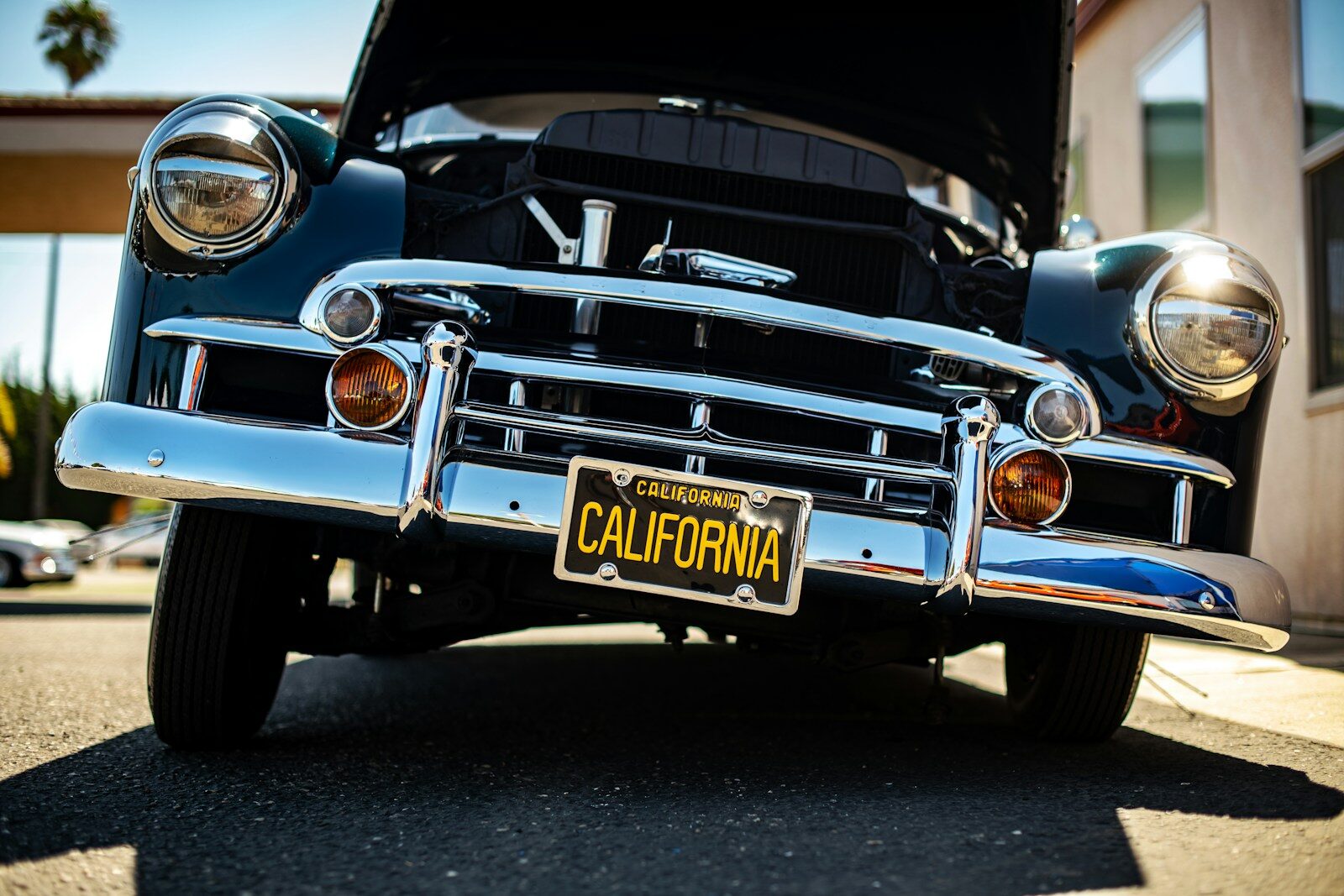
Every legislative session, Sacramento produces one bill gearheads actually want to read past the headline. This time it’s Senate Bill 712, introduced by state Senator Shannon Grove and cited right in its own statutory text as “Leno’s Law.” It would push California’s smog check exemption line forward by a full decade of model years, but only for cars carrying the right paperwork, and only if the bill survives the budget gauntlet it’s currently stuck in.
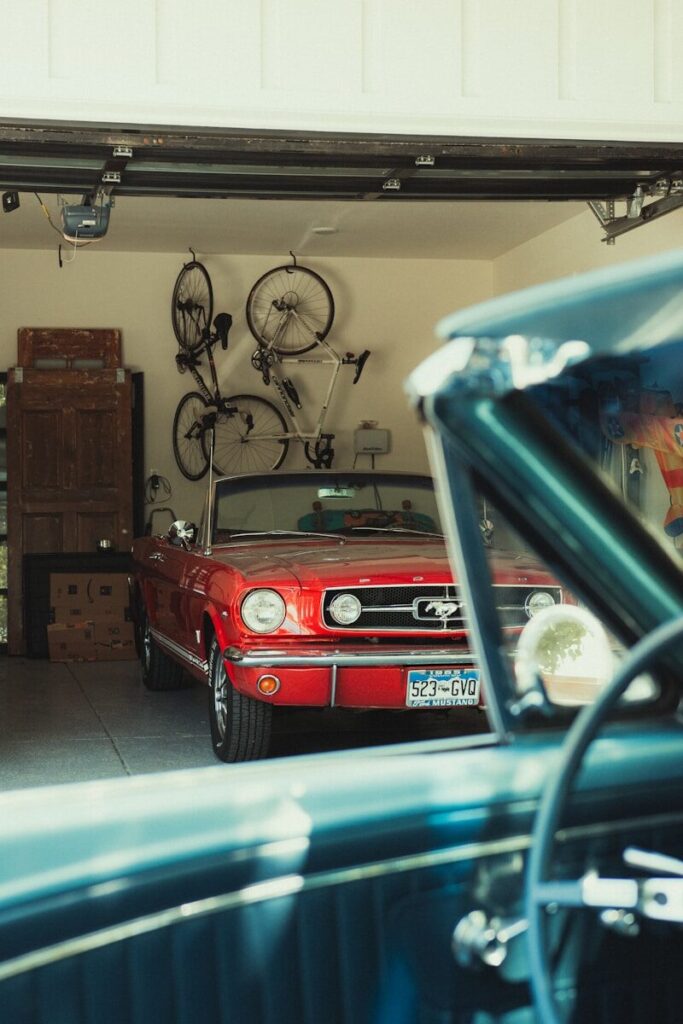
Right now, California’s Health and Safety Code draws a hard line at the 1976 model year. Anything built before that is fully exempt from the state’s biennial smog check program, no test required. Everything newer plays by different rules, including a partial break for “collector motor vehicles”: cars at least 35 model years old that carry collector insurance and pass a visual check of the gas cap and fuel lines. That’s a real discount, but it’s not a full pass, since those cars still have to meet the exhaust emissions standards for their original class and model year.
SB 712 rewrites both Health and Safety Code Section 44011 and Vehicle Code Section 4000.1 to create a new, fully exempt category that starts more generously and then keeps growing. Beginning January 1, 2027, any vehicle built before the 1981 model year would skip smog checks entirely, not just the tailpipe portion, provided it carries a California Historic Vehicle license plate and is insured as a collector car. The bill then keeps moving the goalposts every January 1: 2028 advances the cutoff to 1982 models, 2029 to 1983, 2030 to 1984, 2031 to 1985, and by 2032 anything built before the 1986 model year gets the same clean pass. That’s a rolling ten-year expansion of full exemption, layered on top of, not replacing, the existing 35-year-old collector exemption.
The historic plate requirement is the part worth flagging before anyone does napkin math on their own garage. California’s historic vehicle registration already requires a car to be at least 25 years old and substantially unmodified from its original factory configuration. That means a numbers-matching 1983 Mustang GT can ride this exemption once the calendar catches up, but a 1983 Mustang running a swapped-in modern engine or a different drivetrain likely can’t, because it no longer qualifies for the historic plate that unlocks the exemption in the first place. Restomod owners should read the fine print before assuming this bill does anything for them.
Here’s the part that separates this from a done deal: SB 712 has not been signed into anything yet. It cleared the full Senate floor on June 4, 2025 by a lopsided 32-3 vote, then passed the Assembly Transportation Committee on a 14-0 vote in mid-July. From there it hit Assembly Appropriations, got flagged as a fiscal bill, and was parked on the committee’s suspense file, which is where bills go when their price tag needs sorting out before anyone lets them near a floor vote. As of the most recent recorded action, SB 712 was “held in committee and under submission,” which in Sacramento-speak means it’s alive but going nowhere until Appropriations decides it’s worth the cost. It still needs a full Assembly floor vote and the governor’s signature before any 1981-through-1986 model year car actually skips a smog test.
The fiscal flag isn’t a formality. California’s Bureau of Automotive Repair runs the Smog Check program partly on fees generated by the very inspections this bill would eliminate for a widening slice of the classic car population, and the state has spent decades treating pre-catalytic-converter vehicles as a disproportionate source of hydrocarbon and NOx emissions relative to how little most of them are actually driven. Expanding the no-test category by ten model years at once is exactly the kind of change that gets a “how much does this cost us” gut check before Sacramento moves forward, regardless of how lopsided the floor vote already was.
As for the name, the bill text simply cites itself as “Leno’s Law,” an obvious nod to Jay Leno‘s decades of very public classic car ownership and his own long-running arguments for treating well-preserved older vehicles differently than daily-driven modern ones. Nothing in the legislative record ties Leno directly to drafting or lobbying for SB 712, so it’s best to treat the nickname as branding rather than biography. Still, it’s hard to imagine a more fitting mascot for a bill built entirely around historic plates and garage-kept survivors.
SB 712 isn’t the only auto bill working through Sacramento’s pipeline with real teeth for owners this session. A separate proposal, AB 311, would end the state’s two-decade ban on telematics-based car insurance pricing, and it’s moving through the same committee maze. On the federal side, a Senate committee has already advanced a bill that could effectively push new Mercedes-Benz sales out of the American market by 2027, a reminder that a lopsided committee vote is a headline generator, not a guarantee of anything becoming law.
If SB 712 does make it out of suspense and eventually reaches the governor’s desk, the practical effect for owners is straightforward: keep the historic plate paperwork current, keep the car close to factory spec, and expect used values on late-1970s and early-1980s classics to firm up as the no-test window gets within reach, the same kind of buyer enthusiasm that’s already driving record money at events like Monterey Car Week. If the bill doesn’t survive Appropriations, nothing changes, and the 1976 cutoff stands exactly where it’s stood for decades. Either way, this is a bill worth tracking rather than assuming. Sacramento’s suspense file has quietly killed plenty of popular ideas before they ever got a floor vote.
About the Author