VinFast spent July quietly telling its Indian suppliers to put down their tools. By September, it was telling reporters something far softer. Reading both versions side by side is the fastest way to understand what’s actually happening inside a company that keeps promising to build cars close to where it sells them, and keeps missing that promise by a widening margin.
The Memo Says More Than the Statement Does
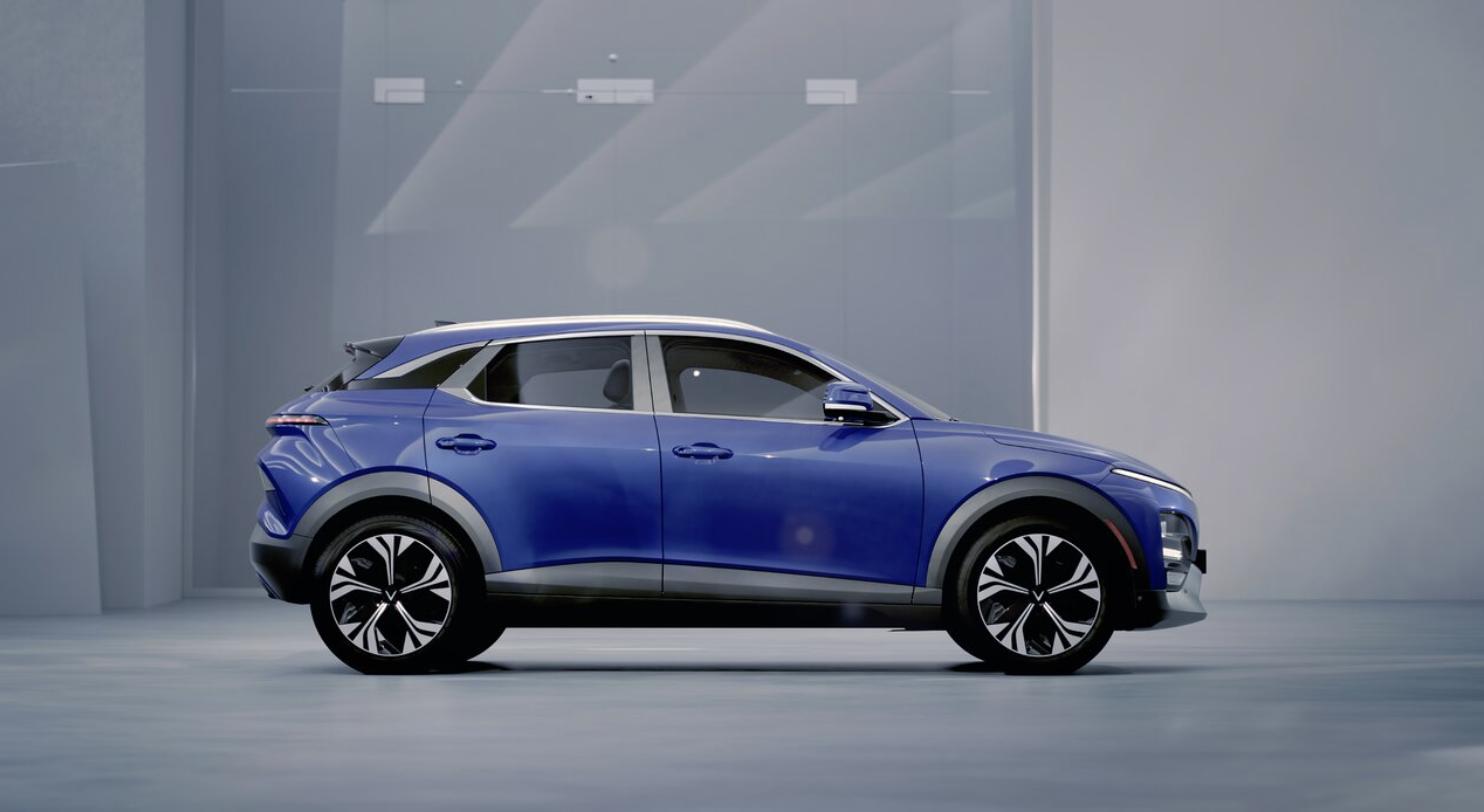
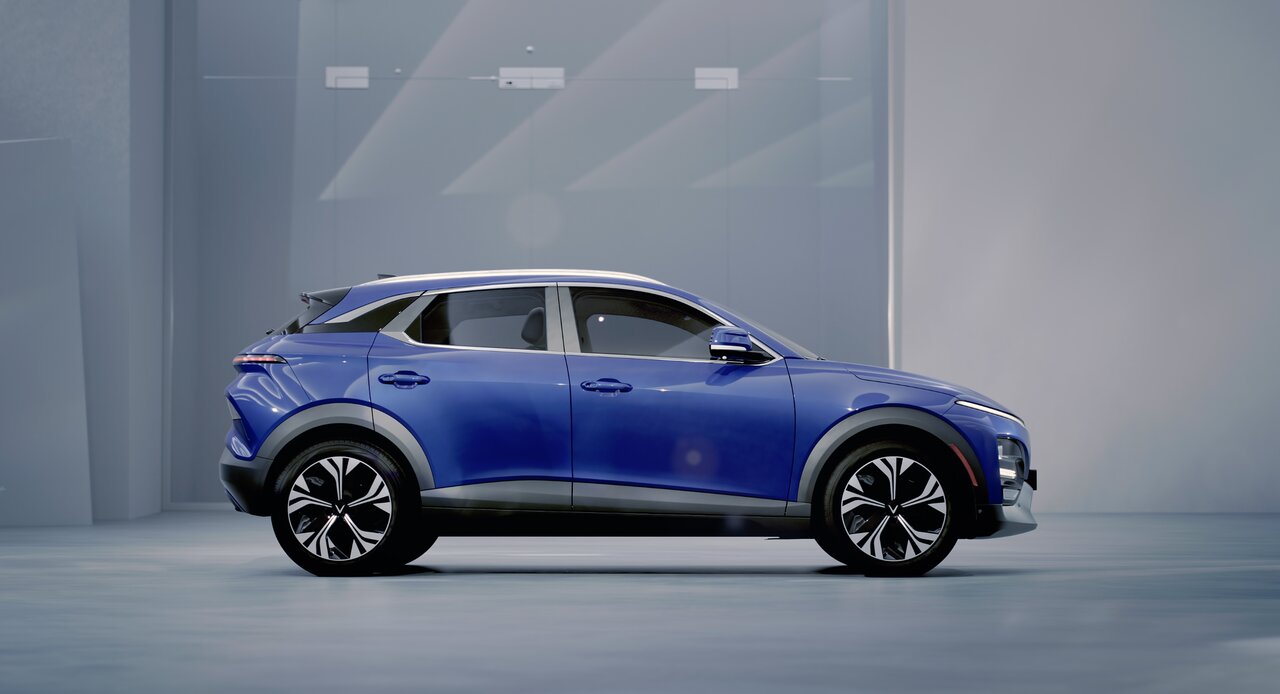
According to an internal memo reviewed by Reuters, VinFast instructed suppliers in July to “hold all activities” on three programs: the VF 3, a two-door electric city car pitched as the brand’s most price-competitive model, plus locally developed versions of the VF 6 and VF 7 crossovers already on sale in the country. The memo didn’t stop at a simple pause. It asked suppliers to submit a full breakdown of the “total amount invested to date” across tooling, engineering, and materials, along with supporting documentation. That’s the language of a company trying to figure out what it owes before committing to spend another rupee, not the language of a minor scheduling adjustment.
One person familiar with the matter put it bluntly: VinFast didn’t hit its own cost targets for developing India-sourced parts, so it stopped the work. That detail matters mechanically. The VF 6 and VF 7 sold in India today arrive as complete knock-down kits shipped from Vietnam and assembled locally, a shortcut that avoids the expense of local tooling but also forfeits the savings, since importing sub-assemblies still carries duty and freight costs a fully domestic supply chain wouldn’t. Building genuine local content means paying suppliers upfront for tooling and engineering validation long before a single car reaches a dealer, and that bet only pays off if volumes eventually justify it. Pulling back before the tooling bill comes due is a signal about projected demand, not just cost discipline.
The Rebuttal Doesn’t Deny the Memo, It Reframes It
After the story published, VinFast told Reuters the change applies only to future models, that it will keep importing and assembling the VF 6 and VF 7 currently sold in India, and that it plans to develop India-specific models from the ground up rather than adapting existing global designs, a move it says will speed up local sourcing over time. Its statement added that “India is an important market in VinFast’s long-term business and manufacturing strategy” and that the company is making “appropriate adjustments” based on market research and consumer feedback.
Notice what that statement doesn’t do: it doesn’t dispute that a hold order went out, and it doesn’t dispute that suppliers were asked to itemize sunk costs. It just describes the same pause in the vocabulary of product strategy instead of the vocabulary of a budget review. Both things can be true at once. VinFast can genuinely want India-specific models down the road and still be stopping current work because the numbers didn’t pencil out. Treat the two versions as complementary rather than contradictory: the memo is the mechanism, the statement is the marketing.
The Numbers Behind the Ambition
VinFast entered India in September 2025 with the VF 6 and VF 7, opening its first factory outside Vietnam in the south of the country and pledging roughly $2 billion toward the buildout. The plant’s initial capacity is 50,000 vehicles a year, scalable to 150,000. A year in, the company has sold around 10,000 cars in India, a figure that includes vehicles delivered to Green SM, VinFast’s own affiliated ride-hailing operation. Sales to a related company aren’t the same as sales to unaffiliated retail buyers, and without a public breakdown of how many of those 10,000 went to Green SM’s fleet versus private driveways, it’s hard to say how much organic demand actually exists for the brand right now. That distinction is exactly what a company reviewing its tooling costs would need to get right before spending more on local parts.
North Carolina Already Ran This Experiment
VinFast’s India retreat isn’t the company’s first run-in with a local manufacturing promise it couldn’t keep on schedule. In 2022, North Carolina’s Economic Investment Committee awarded VinFast a Job Development Investment Grant tied to a promise of 7,500 jobs and more than $3 billion invested in a Chatham County EV and battery plant, backed by $450 million the state legislature appropriated for site preparation and infrastructure. The agreement required the factory to be operational by July 2026 with 1,750 jobs in place by year’s end. VinFast graded the site in 2023 using state-reimbursed funds, then fell behind on nearly everything else. In May 2026, North Carolina’s attorney general sued to reclaim the property, noting VinFast has said publicly the plant won’t open before 2028, two years past the deadline written into its own contract.
That kind of clawback fight isn’t unique to VinFast. It’s a standard feature of how states structure incentive deals, precisely because manufacturers miss targets more often than economic development offices would like to admit, as Michigan’s attempt to recover incentive money from the collapsed Bollinger Motors shows. What’s notable is that VinFast is now generating that same pattern, big groundbreaking, missed benchmarks, quiet walk-back, on two continents in the same calendar year.
Scale Is the Real Fight, and It Isn’t Going VinFast’s Way Yet
India’s car market rewards manufacturers who can hit painfully low price points at real volume, which is why decades of small-car dominance there have belonged to companies with deep local supply chains rather than the flashiest EV startup at the auto show. Getting there requires the unglamorous, capital-intensive work of local tooling and supplier development that VinFast just paused. Compare that to how Xiaomi, a company with zero automotive pedigree a few years ago, pushed past 500,000 SU7 deliveries in under 30 months by treating manufacturing scale as the product itself. Or look at how Hyundai has used pricing moves like its recent $6,300 cut on the IONIQ 5 N to defend volume in a market where EV shoppers are price-sensitive. VinFast is trying to compete in that same environment while still figuring out what its own India-made parts cost to build.
What This Actually Means If You Own One or Are Watching the Stock
If you already drive a VF 6 or VF 7 in India, VinFast’s statement suggests parts and service continuity shouldn’t change in the near term, since those two models keep arriving as imported kits regardless of the paused local-parts work. If you were waiting on the VF 3 or a India-built VF 6 or VF 7, expect a redesigned “India-specific” version on a timeline nobody has committed to publicly, rather than the car as originally shown. For anyone tracking VinFast as a Nasdaq-listed stock or watching its stalled North Carolina plant for signs of life, this is another data point worth logging: a company that announces manufacturing ambitions faster than it can fund the tooling behind them, on more than one continent now.
None of this means VinFast is finished in India, and its own statement leaves room for a genuine relaunch built around cheaper, more local models. But a supplier memo asking for itemized reimbursement paperwork is a company doing math it apparently hadn’t finished before the ribbon-cutting, and that’s worth remembering the next time a press release describes a cost review as a strategy update.
About the Author