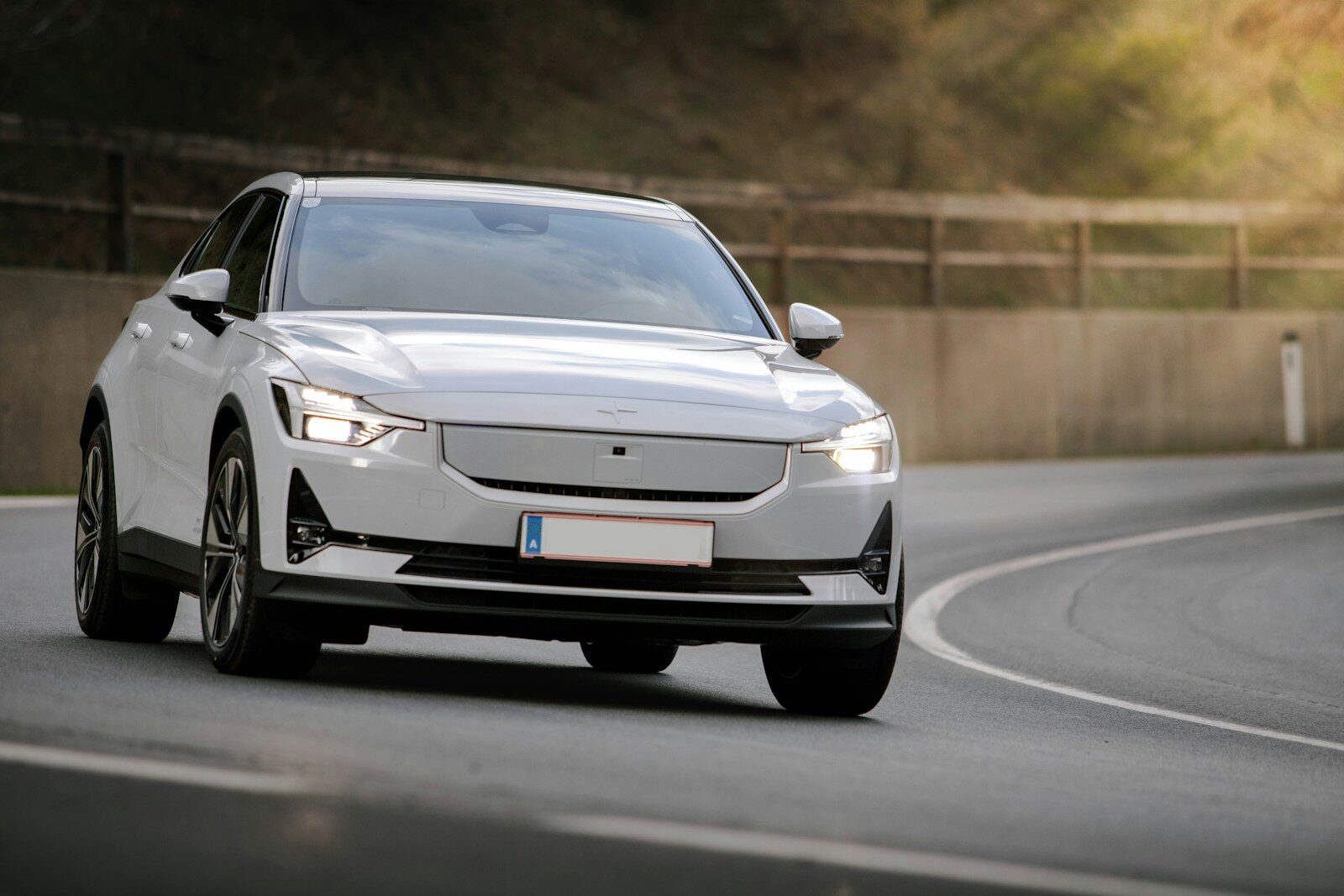
Lei Jun spent more than a decade building phones, routers, and rice cookers before he built a car. On August 17, Xiaomi’s founder and CEO posted on Weibo that the company had shipped its 500,000th SU7 sedan, a milestone reached just 28.5 months after the first cars left Xiaomi’s Beijing plant in April 2024. He thanked SU7 owners “for their trust and support,” which is the kind of line every CEO writes after a big number, except this time the delivery data actually backs it up.
The math behind that milestone is straightforward but still jarring for a company that had never built a car before 2024. Xiaomi’s auto division delivered 139,471 vehicles in its partial first year, then 411,837 in 2025, a 200.9 percent jump that pushed the company into the top ten of China’s new-energy vehicle sales charts for the first time. Of that 2025 total, the SU7 alone accounted for 258,200 units. A second model, the YU7 SUV, has since added enough volume that combined deliveries across both nameplates are already past 700,000.
Here’s the part Xiaomi’s press office won’t dwell on: the pace behind that number has actually been cooling off. July deliveries came in at 21,044 units, enough to keep the SU7 atop China’s sales chart for sedans priced above CNY 200,000 for a fourth straight month, but a clear step down from the frenzy of the car’s 2024 launch window. Lei Jun set a 550,000-unit target for all of 2026 back in January, calling it a conservative figure. Hitting it now means Xiaomi needs to average well north of 45,000 combined SU7 and YU7 deliveries a month for the rest of the year, comfortably above where July actually landed.
What makes the ramp genuinely impressive is what Xiaomi didn’t do. Most consumer tech companies that try to build cars either license an existing automaker’s production line or quietly fold when reality hits. Xiaomi instead stood up its own assembly plant in Beijing’s Yizhuang district from a standing start, then scaled it to the point where a single sedan model now out-produces entire lineups from automakers that have been building cars for a century. That’s a manufacturing and supply-chain achievement independent of whether you’d ever want the car sitting in your driveway.
Pricing is where the SU7 actually competes, and it’s worth pinning down. The lineup spans roughly CNY 219,900 to 529,900 depending on trim and battery pack, or somewhere around $30,800 to $74,100 at current exchange rates. That range puts the base car directly against the Tesla Model 3’s home-market pricing and pushes the flagship Ultra trim into Porsche Taycan territory on paper, if not on brand cachet. Xiaomi isn’t moving half a million cut-rate runabouts here. It’s moving half a million sedans in a price bracket where every legacy automaker operating in China is currently bleeding margin just to stay competitive.
None of this is coming to a Xiaomi dealership near you, and it won’t for the foreseeable future. The Commerce Department’s connected vehicle rule, finalized in January 2025 and in effect since that March, bars the import and sale of cars running Chinese-linked connectivity hardware and software starting with the 2027 model year, with hardware restrictions phasing in through the end of the decade. Layer on the existing tariff regime that taxes Chinese-built EVs at 100 percent, plus Xiaomi’s total lack of US sales, service, or crash-test infrastructure, and the SU7 becomes a car most American enthusiasts will only experience through import forums and YouTube reviews. Even a determined private import would run headlong into the 25-year exemption rule decades before this generation of SU7 ever qualifies.
That regulatory posture isn’t paranoia without precedent, either. A Norwegian transit authority that tested a Chinese-built bus inside a mountain tunnel found a foreign SIM card capable of remotely killing the vehicle’s systems. A privately owned, internet-connected sedan sold directly to consumers raises the same category of question, just multiplied by every car on the road instead of a single municipal fleet.
Washington’s appetite for policing connected-car software isn’t limited to Chinese brands, for what it’s worth. A Senate committee advanced a bill this summer that could ban new Mercedes-Benz vehicles from the US market in 2027 over unrelated data-handling concerns, which suggests the regulatory net around connected vehicles is widening well beyond a single country of origin.
The battery side of Xiaomi’s supply chain is worth watching, too. Like most Chinese EV makers, Xiaomi sources cylindrical and prismatic cells from domestic suppliers that are currently suing each other over the underlying cell technology. LG Energy Solution’s patent lawsuit against EVE Energy over cylindrical-cell designs is exactly the kind of dispute that could eventually reshape which suppliers are allowed to build the packs going into cars like the SU7.
For American enthusiasts, the SU7 milestone matters less as a car you’ll ever park in your garage and more as a preview. Xiaomi proved a consumer electronics company can stand up its own factory, hit annual delivery numbers legacy automakers would kill for, and undercut the segment on price, all inside three years. Whether that growth curve holds as the monthly numbers flatten out, and whether Chinese automakers ever get a real shot at the US market, are two separate questions. Xiaomi just answered the first one. The second one is stuck in a regulatory holding pattern with no expiration date in sight.
About the Author