Photo: David Howard / Wikimedia Commons, CC BY-SA 2.0
It’s 1:15 a.m. in 1930s North Kensington. You’re driving home through the dark when a red double-decker comes straight at you, lights blazing, with no driver at the wheel and nobody aboard. You swerve, clip the curb and spin out. When you look back, the road is empty.
That’s the Phantom No. 7 Bus as it’s told today, London’s contribution to the genre of vehicles that shouldn’t be there. The number and the time were both added decades later. What was there from the start was a corner that kept killing people.
The legend
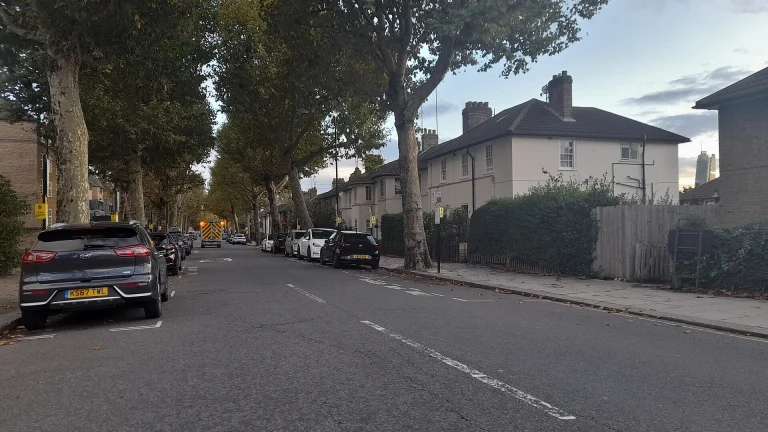
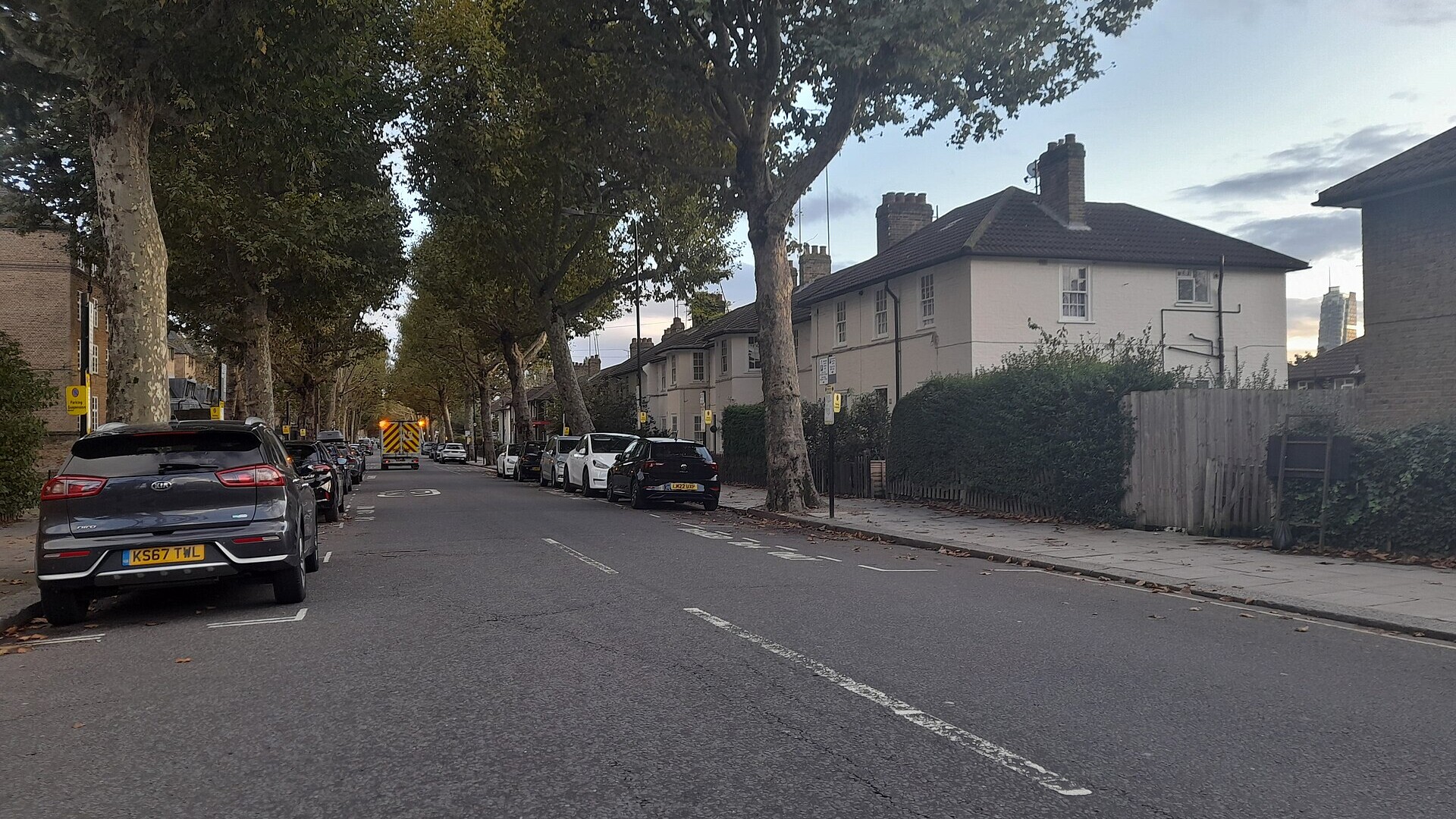
The story centers on the junction of St. Mark’s Road and Cambridge Gardens. Stories of a phantom bus at this corner began circulating in the 1930s. Later retellings made it a red double-decker bearing the number 7, a real route London Transport took over in 1933, appearing at exactly 1:15 in the morning. Both of those details were added by writers decades later.
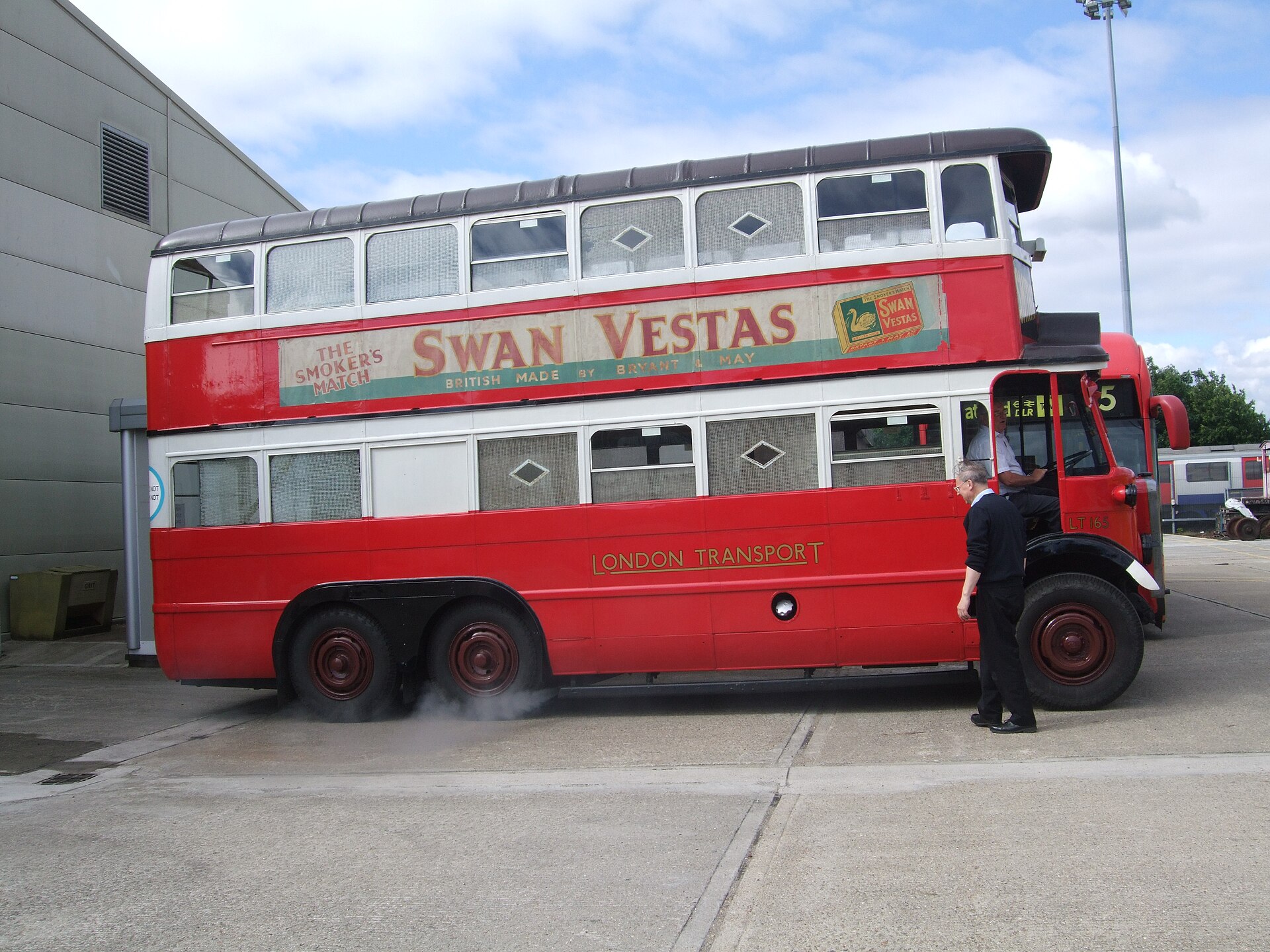
In the stories, it bore down on oncoming cars, forced drivers to swerve to avoid a head-on collision and then vanished. Some versions say it caused crashes. The bus, naturally, was never found at any of the scenes.
It’s always the No. 7, and it’s always 1:15 a.m. A ghost with a timetable is creepier than one without.
The very real corner
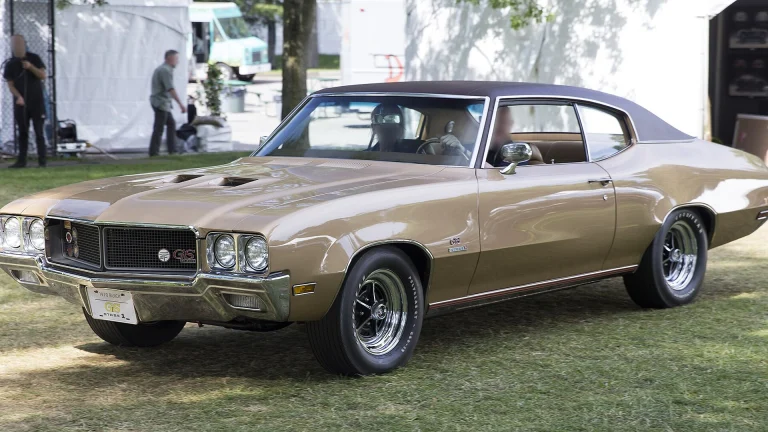
The junction really was dangerous: a tight corner with Victorian street geometry never designed for motor traffic. In June 1934 it killed 25-year-old Ian Beaton, whose car collided with another car, overturned and caught fire.
At the inquest, according to researcher MJ Wayland’s review of the 1934 press reports, counsel asked a witness whether this was the spot where the phantom bus was said to appear. He said it was. The coroner recorded accidental death, but the story stuck, because it gave a terrifying road a terrifying explanation.
Residents demonstrated for traffic lights that October, and a corner garden was later removed to ease the turn. The road was never straightened, but the ghost stories faded. Funny how ghosts respect civil engineering.
The debunking
Author Jonathan Miles took the whole thing apart in his 2024 book Debunking the Legend of the Phantom London Bus. His theory is a lot less spooky: the legend likely began with a sarcastic exchange between a bus conductor and a confused passenger around 1931 or 1932, and the “ghost” was probably ordinary buses hammering back to the depot late at night. Almost every sighting reaches us second- or third-hand.
Blame the road
No phantom double-decker was ever documented, photographed or otherwise verified. What was real was a dangerous corner, at least one fatal crash and a city full of drivers who’d rather believe in a ghost bus than admit the road itself was trying to kill them. It’s the same pattern behind New Jersey’s Clinton Road ghost truck and Kent’s Blue Bell Hill bride.
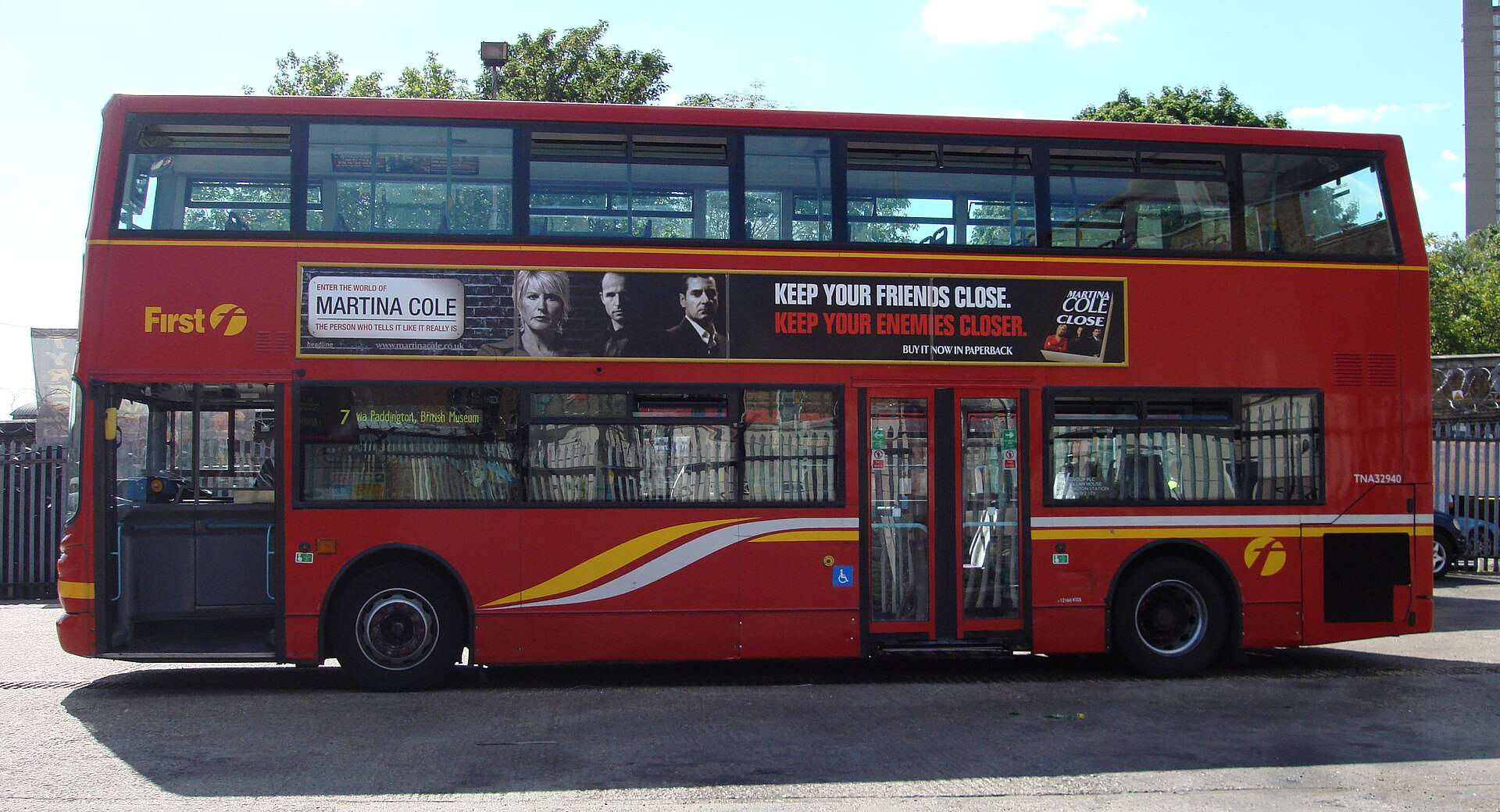
But if you’re ever in North Kensington at 1:15 a.m. and hear an engine that seems to come from nowhere, look both ways.
Ghost bus, or a badly designed road that people found easier to blame on the supernatural than on the council? If you know that corner, tell us whether it still feels sketchy at night.
Sources
- The Underground Map — “The phantom bus of North Kensington”: https://theundergroundmap.substack.com/p/the-phantom-bus-of-north-kensington
- Spooky Isles — “The Phantom London Bus: Unravelling an Urban Legend” (on Jonathan Miles’ book): https://www.spookyisles.com/the-phantom-london-bus-unravelling-an-urban-legend/
About the Author