Photo by Philipp Fahlbusch on Pexels
There is no race weekend in motorsport quite like Monaco. The Formula 1 Grand Prix de Monaco is not just a race — it is an event, a spectacle, and a collision of the sporting world with the luxury lifestyle world that happens once a year on the streets of the tiny principality. Whether you’re watching from home, planning a trip, or just trying to understand what all the fuss is about, here’s what you need to know.
The Circuit Unlike Any Other
The Circuit de Monaco is the shortest on the F1 calendar, stretching just 3.337 kilometers around the tight, twisting streets of Monte Carlo. It winds past casino squares, through tunnels, around harbors, and up steep hillside sections that demand absolute precision from every driver. There is almost no room for error, and passing is notoriously difficult — which means qualifying performance is arguably more important here than anywhere else on the calendar.
The track has remained essentially unchanged for decades, which is part of its mythological status. A lap of Monaco in a modern F1 car is a completely different sensory experience from a lap at a purpose-built circuit. The barriers are inches away. The walls seem to close in. The cars are traveling at speeds that most people struggle to comprehend in that kind of confined environment.
The History Is Impossible to Ignore
Ayrton Senna won at Monaco six times. Michael Schumacher matched that tally. The list of legendary drivers who have conquered these streets reads like a who’s who of the sport’s all-time greats. For a driver, winning at Monaco carries a weight that goes beyond the points on offer — it is proof of something rare, a combination of car control, racecraft, mental composure, and raw talent that the circuit demands in equal measure.
The race has also produced some of the sport’s most dramatic moments. Retirements from dominant positions, safety car controversies, and overtakes of breathtaking audacity have all contributed to a story that keeps growing every May. If you’re new to Formula 1 and want to understand why people get so emotional about this sport, start with Monaco highlights and work backward through the decades.
Our complete guide to watching Formula 1 can help you navigate the sport if you’re just getting started, including where to find coverage, how the championship works, and what to watch for during a race weekend.
The Yachts, the Money, and the Theater
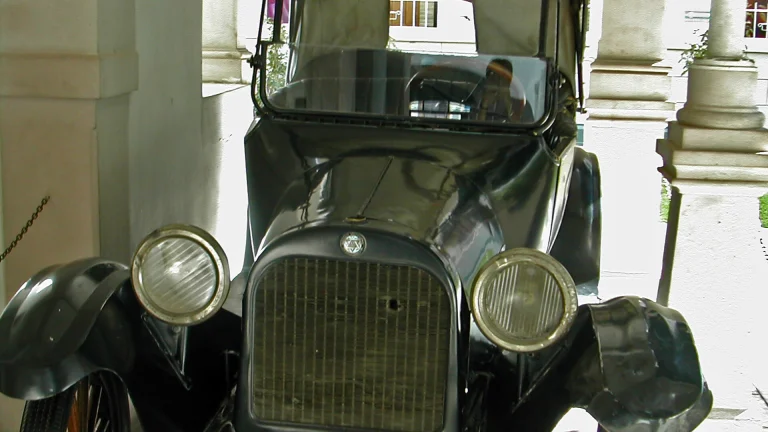
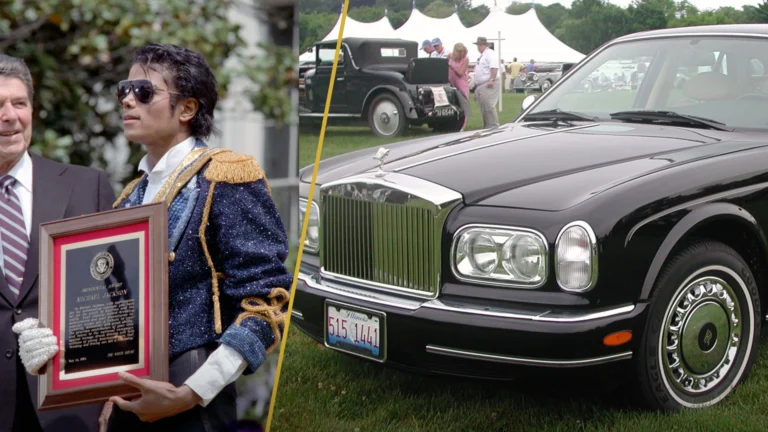
Monaco Grand Prix week is not just about what happens on track. The harbor fills with some of the most expensive yachts on the planet, with owners and charter guests watching the race from decks positioned just meters from the circuit. This year, a single $75 million superyacht became the most talked-about garage during Grand Prix week, hosting a car collection that turned more heads than the racing itself for some observers.
The surrounding streets become a kind of open-air car show, with some of the world’s rarest and most valuable vehicles parked casually outside restaurants and hotels. It’s a place where the automotive world and the luxury world overlap completely, where conversations at dinner might be with a racing driver, a shipbuilder, or a collector who flew in specifically to see a friend’s latest acquisition.
The New Storylines in 2026
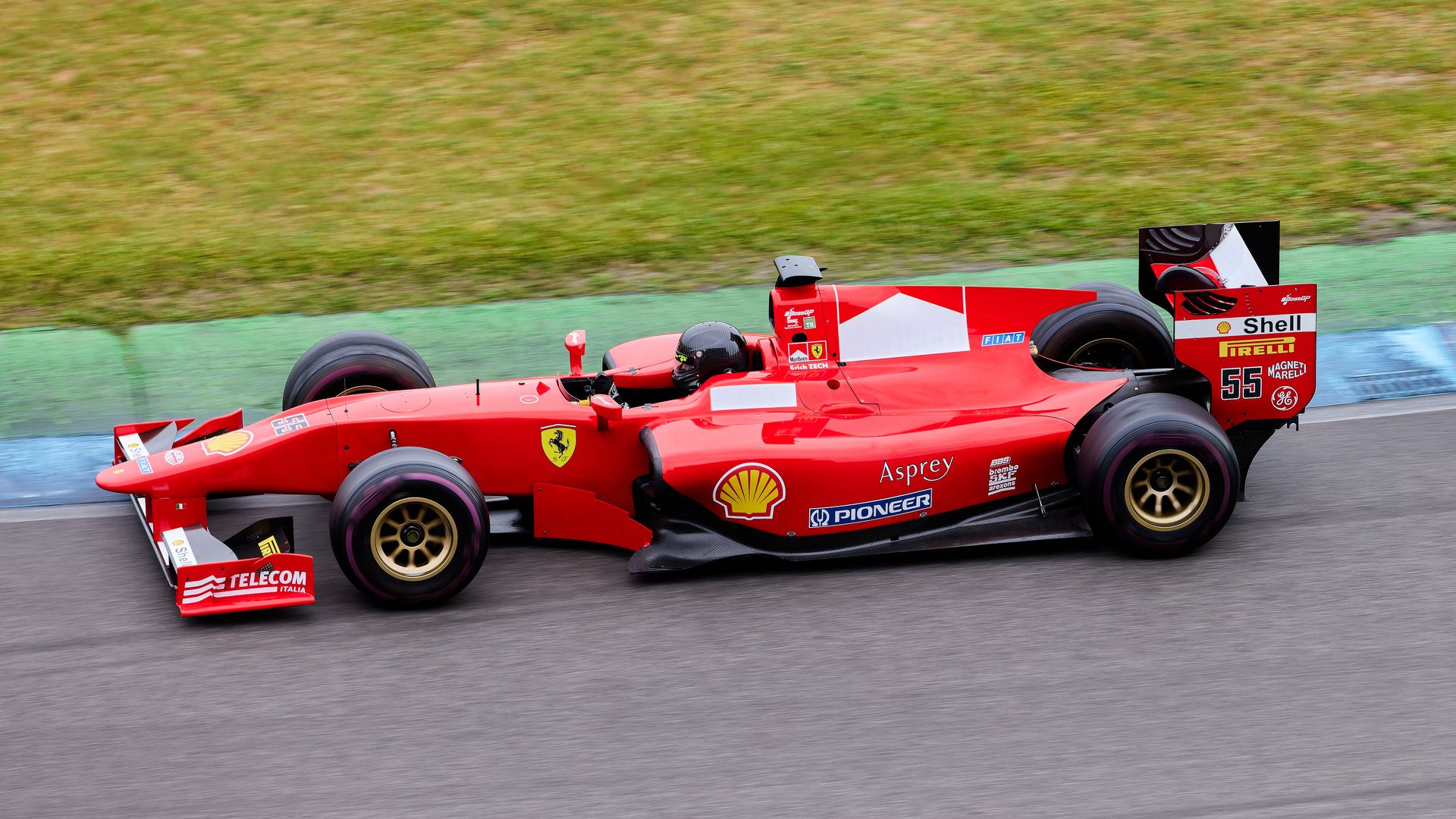
This year’s Monaco weekend carries extra significance because of Formula 1’s new technical regulations. The 2026 rules represent the most significant overhaul of F1 cars in years, with a redesigned power unit structure, revised aerodynamic philosophy, and a new generation of machinery that teams are still working to fully understand. At a circuit where setup and mechanical balance matter enormously, the new regulations have added an extra layer of unpredictability.
Cadillac’s debut season adds another dimension worth watching. America’s newest F1 team — which we covered in detail when we looked at America’s big bet on Formula 1 — brings a fresh storyline to every race weekend. At Monaco specifically, a strong qualifying effort could translate directly into points in a way that’s harder to achieve at faster, more overtaking-friendly circuits.
How to Experience Monaco GP Weekend
If you ever get the opportunity to attend Monaco in person, the experience is genuinely unlike anything else in motorsport. The grandstands are intimate, the noise is amplified by the surrounding buildings, and the proximity to the cars is something that photographs simply can’t capture. Even walking the circuit on a regular day, when it reverts to public roads, gives you a visceral sense of just how tight and challenging this track actually is.
For those watching from home, the race broadcast typically carries some of the best camera angles of the season precisely because of the circuit’s layout. The slow-motion shots of cars navigating hairpins, the tight battle for track position through the tunnel section, and the inevitable drama of the closing laps make Monaco one of the calendar’s most watchable races even in a processional year.
Formula 1 has found a new generation of fans, particularly in the United States, and Monaco is often the weekend that cements a newcomer’s love for the sport. Once you’ve seen what these drivers do on these streets, it’s difficult to look away.
About the Author