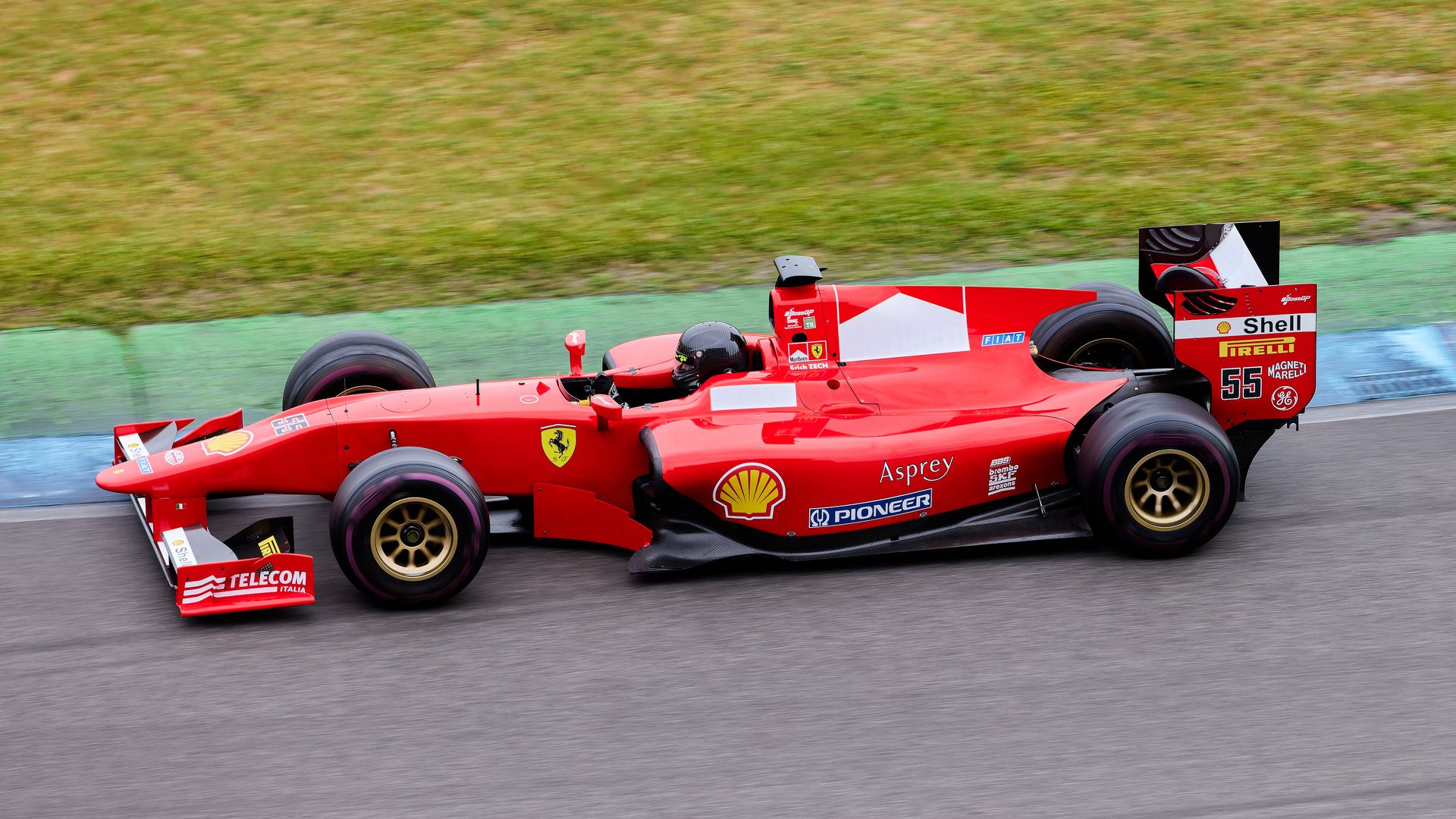
Photo by Philipp Fahlbusch on Pexels
Formula 1 has transformed from a niche European motorsport into a global phenomenon — and a new wave of American fans is discovering the sport every season. If you’ve been intrigued by the drama, the technology, and the sheer spectacle of F1 but don’t quite know where to start, this guide is for you. Here’s everything a new fan needs to understand, watch, and fully enjoy Formula 1.
What Is Formula 1?
Formula 1 is the pinnacle of open-wheel, single-seat motorsport. It’s run by the FIA (Fédération Internationale de l’Automobile) and features 10 teams, each running two cars, competing across a season of roughly 23–24 races held in countries spanning five continents. The cars are the most technologically advanced racing machines on Earth — engineering marvels that generate so much aerodynamic downforce they could theoretically drive upside down on a ceiling at highway speeds.
The Teams and Drivers
The current grid features 10 constructor teams, including iconic names like Ferrari, Mercedes, Red Bull Racing, McLaren, and Aston Martin. Each team employs two drivers. The best way to get into F1 is to pick a driver or team to root for — the personalities and storylines are a huge part of the sport’s appeal.
The sport runs two parallel championships: the Drivers’ Championship (won by the driver who accumulates the most points across the season) and the Constructors’ Championship (won by the team). Both races within the same Grand Prix weekend contribute points to both standings.
How a Race Weekend Works
A standard Formula 1 Grand Prix weekend runs Thursday through Sunday (or Friday through Sunday at some venues). Here’s the structure:
- Practice Sessions (FP1, FP2, FP3): Three free practice sessions allow teams to gather data, set up their cars for the specific circuit, and prepare their race strategies. FP1 and FP2 run on Friday (or Thursday at Monaco); FP3 runs Saturday morning.
- Qualifying: Saturday afternoon brings qualifying — a three-part knockout session (Q1, Q2, Q3) that determines the starting grid for the race. The driver who posts the fastest lap in Q3 wins pole position and starts the race at the front.
- The Race: Sunday’s main event. Races run a minimum distance of 305 kilometers (except Monaco at 260km) or a maximum time of 2 hours. Points are awarded to the top 10 finishers, plus one bonus point for the driver who sets the fastest lap (if they finish in the top 10).
Sprint Weekends
Approximately 6 of the season’s Grands Prix feature a modified format called a Sprint weekend. The schedule is compressed, with a Sprint Shootout (qualifying for the Sprint) on Friday and a 100km Sprint race on Saturday before the main qualifying session. Sprint results award separate championship points. Keep an eye on the official F1 calendar to know which weekends include Sprints.
Where to Watch Formula 1
In the United States, Formula 1 is broadcast on ESPN (including ESPN2 and ABC for marquee events). Most race coverage also streams live on the ESPN app with a cable/streaming TV subscription.
For the ultimate viewing experience, the official F1 TV Pro subscription service offers live streams with a choice of on-board cameras from every car, pit lane audio, live timing data, and access to every session including practice. It’s by far the most immersive way to follow the sport and is available globally. F1 TV also offers a free-tier “Access” plan in some markets with delayed coverage.
Understanding the Points System
Points are awarded on a 25-18-15-12-10-8-6-4-2-1 scale for positions 1 through 10. An additional point goes to the fastest lap setter (top 10 finishers only). In Sprint races, points are awarded to the top 8 finishers on a smaller scale (8-7-6-5-4-3-2-1).
Key Terms Every New Fan Should Know
- DRS (Drag Reduction System): A driver can open a flap in the rear wing on designated straight sections when within 1 second of the car ahead — reducing drag and enabling overtaking opportunities.
- Undercut / Overcut: Pit stop strategy. An undercut involves pitting earlier than a rival to gain track position on fresh tires. An overcut involves staying out longer to gain an advantage from their slower lap times on worn rubber.
- Safety Car / Virtual Safety Car (VSC): Deployed after incidents on track. A real Safety Car bunches the field behind a road car; a VSC requires all drivers to slow to a prescribed delta time without physical intervention.
- Parc Fermé: After qualifying, cars go into “closed park” (parc fermé) where significant changes are prohibited. This means the car you see in qualifying is essentially the car that starts the race.
- Constructor: The team that designs and builds the car (and thus enters both their cars as a single “constructor” in the championship).
The Drive to Survive Effect
If you haven’t watched Drive to Survive on Netflix yet, it’s arguably the best on-ramp to F1 fandom ever created. The documentary series — now in its sixth season — goes behind the scenes at every team, bringing the politics, personalities, and racing drama to life in a way that live broadcasts rarely can. Many of today’s newest F1 fans trace their interest directly back to a weekend binge of the show.
Ready to Watch Your First Race?
Start with a race at one of the sport’s most iconic venues — Monaco, Silverstone, Monza, or the Circuit of the Americas in Austin, Texas (the closest major F1 race to most U.S. viewers). Each circuit has its own character and history that adds depth to the viewing experience. For current race schedules, standings, and news, visit the official Formula 1 website and check back with Backfire News for our ongoing F1 coverage.
Welcome to the grid. You won’t want to leave.
Source: Formula 1
About the Author