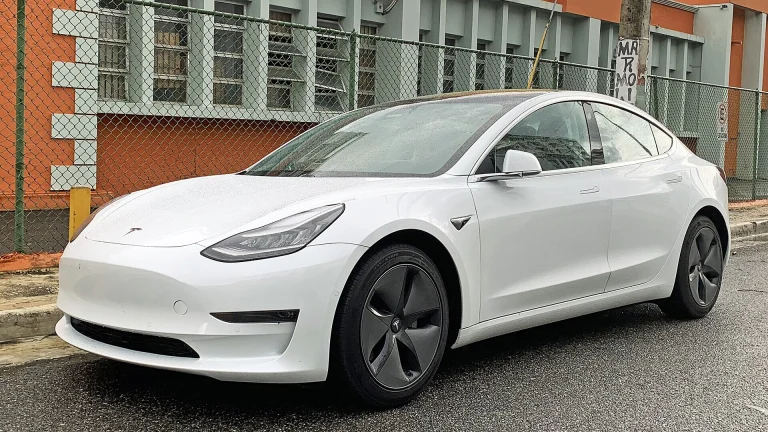
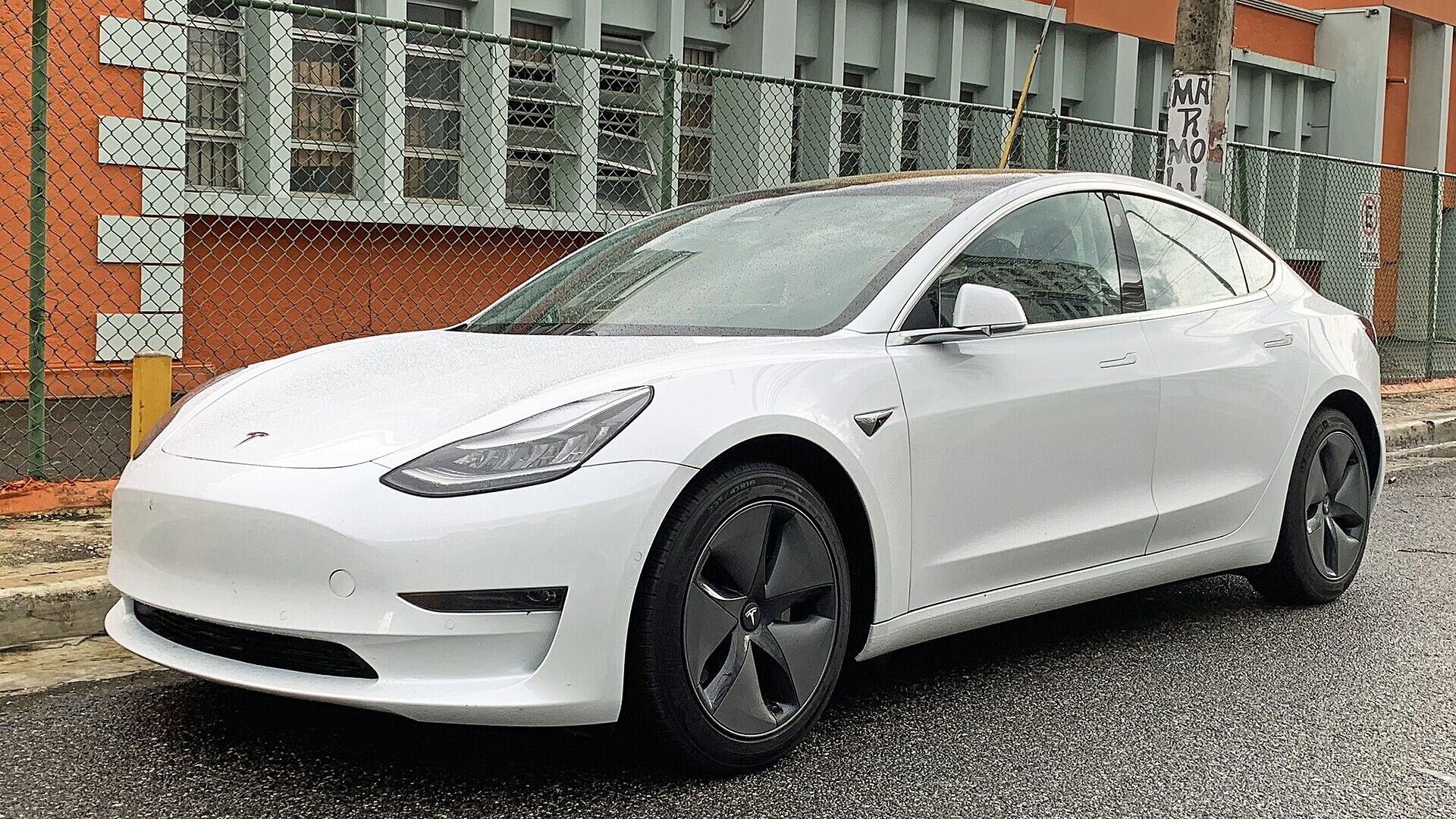
File photo of a Tesla Model 3; not one of the Hertz fleet cars.
Hertz’s 2021 order of 100,000 Teslas, the deal that ended with the company selling off tens of thousands of EVs and booking a $245 million charge, is now the centerpiece of a federal antitrust suit in California. The suit accuses Tesla, Hertz and Uber of helping Tesla monopolize the EV market, Law360 reported on Nov. 17.
Everything here about the suit’s claims comes from that report. Backfire News has not seen the complaint, so the plaintiff, case number and judge are not confirmed, and no court has ruled on any claim. According to Law360, the suit says Tesla abused government EV subsidies so Hertz could buy Model 3s below “average variable cost,” and that this locked rival EV makers out of rental and ride-hailing platforms, with Hertz and Uber helping. Law360’s headline puts the fleet deal at $4.2 billion.
What Hertz said about the Uber arrangement in 2021
Hertz’s press release of Oct. 27, 2021 is the public record of the Uber side. It describes an exclusive partnership to make up to 50,000 Teslas available by 2023 for drivers to rent while working the Uber network, with rentals starting Nov. 1 in Los Angeles, San Francisco, San Diego and Washington, D.C. It refers back to the order Hertz had announced two days earlier, an initial 100,000 Teslas by the end of 2022. Hertz was the rental provider, so a driver renting a Tesla through the program had one source.
The release gives no dollar figure for the rental rate. It lists a preferred weekly rate that covers insurance, basic maintenance and unlimited miles, plus Uber’s Green Future program, which offers drivers who switch to EVs an extra $1 per trip, up to $4,000 a year. Both come from the companies, not from a government program. Hertz has kept reshuffling its fleet since, most recently with a $70K off-roader.
The cost test behind a below-cost claim
Pricing below average variable cost is the language of predatory-pricing law. Under the Supreme Court’s 1993 decision in Brooke Group v. Brown & Williamson Tobacco, a plaintiff has to prove two things: that the prices were below an appropriate measure of the seller’s costs, and that the seller had a reasonable prospect of recouping what it lost by charging them. The Court reasoned that without recoupment, below-cost prices mean lower prices across the market, and buyers come out ahead.
For a rental company buying 100,000 cars in one order, a low price is not an antitrust claim by itself. The plaintiff also has to show how the seller earns the money back, which usually means rivals pushed out and prices raised later. Law360’s summary describes the below-cost half. Whether the complaint pleads recoupment is a question only the filing can answer.
Which subsidy, and when
The summary does not say which subsidies the suit means, and the dates narrow the field. Under IRS Notice 2018-96, Tesla’s federal consumer credit under Section 30D fell to $3,750 on Jan. 1, 2019, to $1,875 on July 1, 2019, and to zero on Jan. 1, 2020. A Model 3 bought in 2021 carried no federal 30D credit. The federal credit for businesses that buy clean vehicles, Section 45W, applies to vehicles acquired after Dec. 31, 2022, according to IRS Notice 2023-9, and tops out at $7,500 for vehicles under 14,000 pounds. Hertz’s release said the initial order would arrive by the end of 2022. If the suit means the federal consumer credit, the 2021 Model 3s never had one. Which program, and which purchases, is the first thing the complaint has to answer.
What Hertz’s filings show about the cars
In a January 2024 SEC filing, Hertz said it would sell about 20,000 EVs from its U.S. fleet, about one-third of its global EV fleet, and recognize about $245 million of incremental net depreciation expense in the fourth quarter of 2023. In its first-quarter 2024 earnings release, Hertz said it had raised the plan by 10,000 vehicles, to 30,000, and took a $195 million charge for EVs held for sale and those sold in the quarter. A later quarterly filing says the sales were substantially complete as of Dec. 31, 2024.
Those figures measure what the cars were worth at resale, not what Hertz paid for them, so they neither prove nor disprove a claim about the purchase price. They do put the alleged beneficiary of below-cost pricing on the losing end of the resale. Hertz is also defending a securities class action filed in July over its statements on liquidity and fleet economics.
What happens next
Under Federal Rule of Civil Procedure 12(a), a defendant generally must answer a complaint within 21 days of being served, or 60 days if it waived formal service. The portion of Law360’s report available to Backfire News does not say what relief the plaintiff wants. No public response from Tesla, Hertz or Uber to the allegations was available as of Nov. 19.
Photo: Tesla Model 3, file photo. Mariordo (Mario Roberto Durán Ortiz) / Wikimedia Commons (CC BY-SA 4.0).
Anyone here end up with an ex-Hertz Model 3 from the 2024 sell-off? What did you pay, and did it feel like a below-cost car?
About the Author