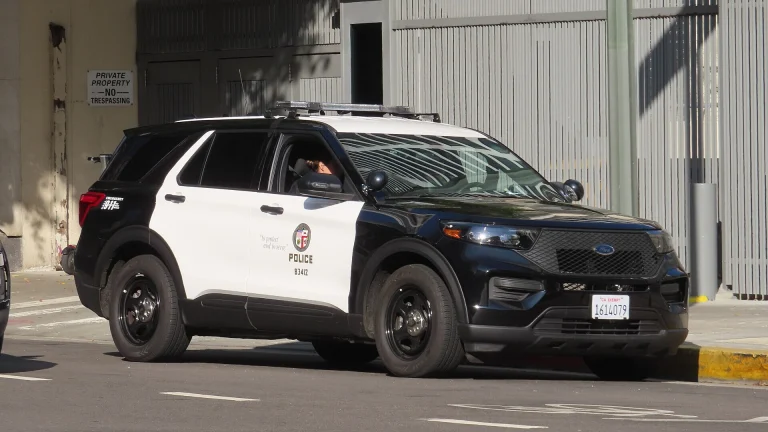
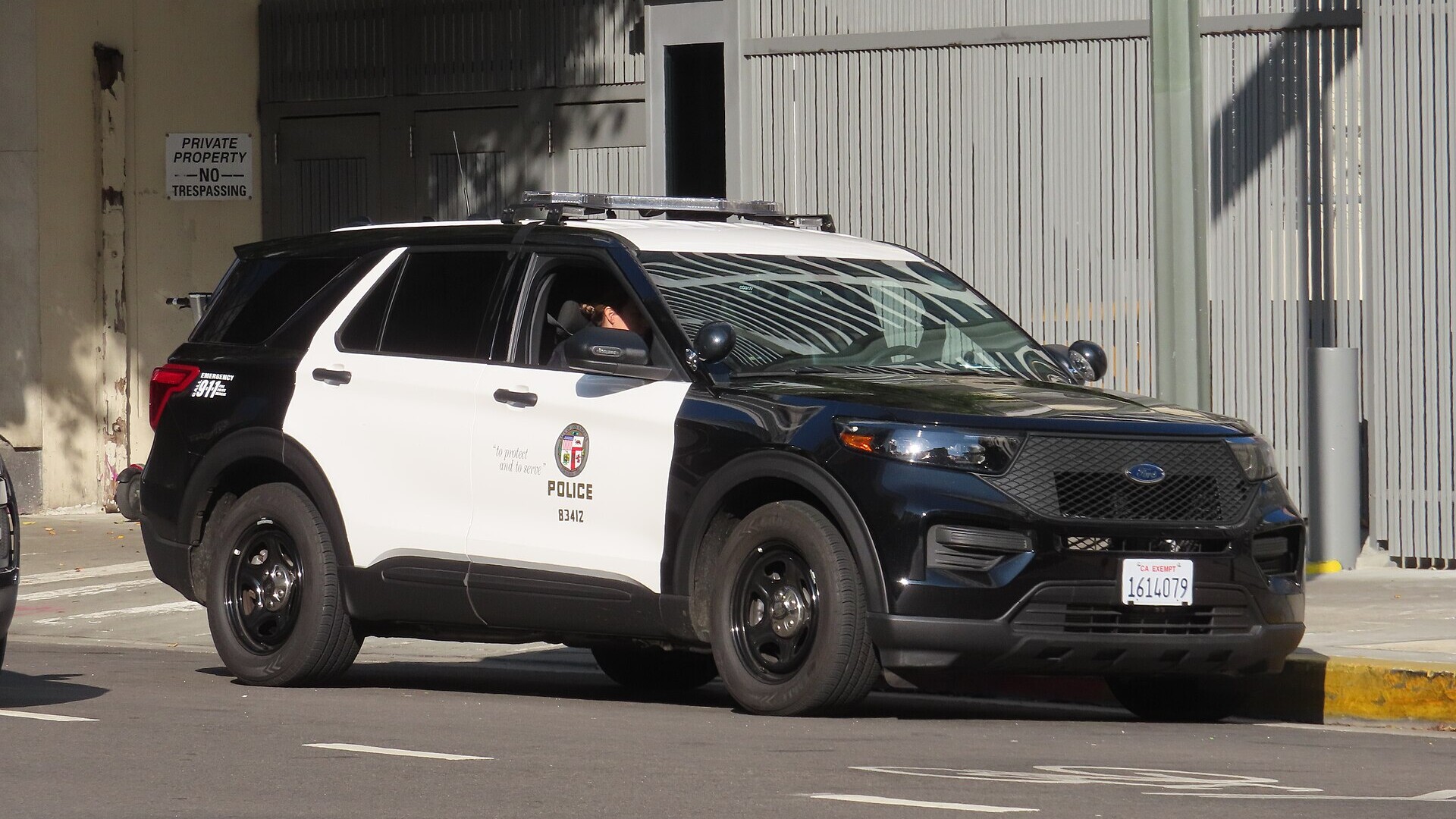
File photo of an LAPD patrol vehicle; not a vehicle in this case.
Tavin Padilla carries a Los Angeles County sheriff’s badge. On April 24, 2020, he says, it didn’t stop about eight LAPD officers from holding him at gunpoint in Sun Valley while he was off duty in his own car. More than six years later the case has settled on a conditional basis: his attorneys told the judge so on Oct. 12, City News Service reported on Oct. 19. The city and the two officers named in the suit deny the allegations.
Padilla and his wife, Edith Padilla, were driving separate cars to a repair shop, with her car directly ahead of his. Padilla alleges he identified himself as an off-duty deputy, offered to show his badge and told the officers he had a gun mounted in the car near his right knee. His attorneys say about eight officers pointed guns at him, ordered him to lie on the ground and handcuffed him, and that an officer then found his sheriff’s badge in a pocket and a sergeant said the handcuffs could come off. Reports on the settlement did not give the reason the officers stopped him. His lawyers call it an “unjustified traffic stop.”
What the city and the officers say
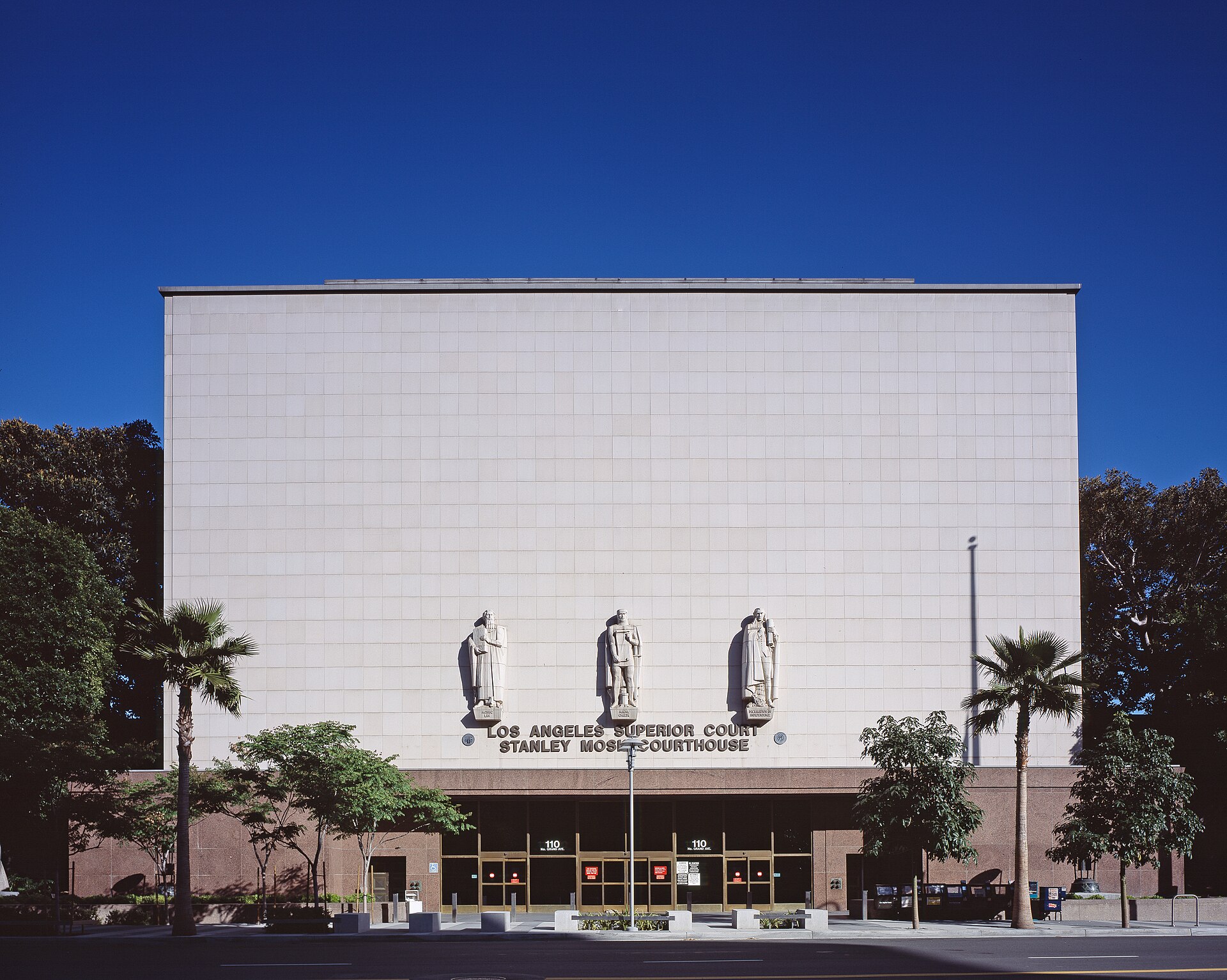
The city and the two officers say the detention, including holding Padilla at gunpoint, was “lawful and reasonable under the totality of the circumstances,” City News Service reported. The suit is Padilla v. City of Los Angeles, Case No. 21STCV09580 in Los Angeles Superior Court, assigned to Judge Teresa A. Beaudet. It was filed in March 2021 and claims unlawful seizure, excessive force, false imprisonment and battery for Tavin Padilla, and loss of consortium for Edith Padilla.
The defendants moved for summary judgment. The court’s tentative order shows the March 20, 2025 hearing was continued after the plaintiffs filed 55 evidentiary objections and the defendants filed 32. No ruling on the merits appears in that order. Like the 76-minute Bexar County stop that ended in a $76 jury award, this one took years.
The test for force during a stop
The defendants’ phrase tracks the Supreme Court’s approach in Graham v. Connor, 490 U.S. 386, 396 (1989). The Court said force must be judged from the perspective of a reasonable officer on the scene, and it pointed to the severity of the crime at issue, whether the person poses an immediate threat and whether he is resisting or fleeing. Under that test, what the officers knew in the first minutes of the stop carries the most weight, including what Padilla says he told them about the gun.
What a conditional settlement leaves open
No amount has been disclosed. Final approval rests with the city’s claims board, and a request to dismiss the case is expected by April 12, 2027. Until a dismissal is filed the case isn’t closed, and neither side’s account has been tested at trial.
One stop or a pattern
Padilla’s attorneys describe the case as the product of “inter-agency rivalry” between the LAPD and the Sheriff’s Department, which is their characterization and not a finding. Nothing in the court file tested that claim before the case settled.
A traffic stop is a Fourth Amendment seizure, so a driver can sue over one that ends without so much as a ticket. Disclosing a gun is supposed to lower the temperature. By his account, Padilla announced the pistol by his right knee, offered a sheriff’s badge, and still ended up ordered onto the pavement.
Padilla says he mentioned the gun and offered his badge. The city says holding him at gunpoint was lawful and reasonable. No trial will sort out that first minute. When a gunpoint stop ends in a settlement, should taxpayers get to see the number?
About the Author