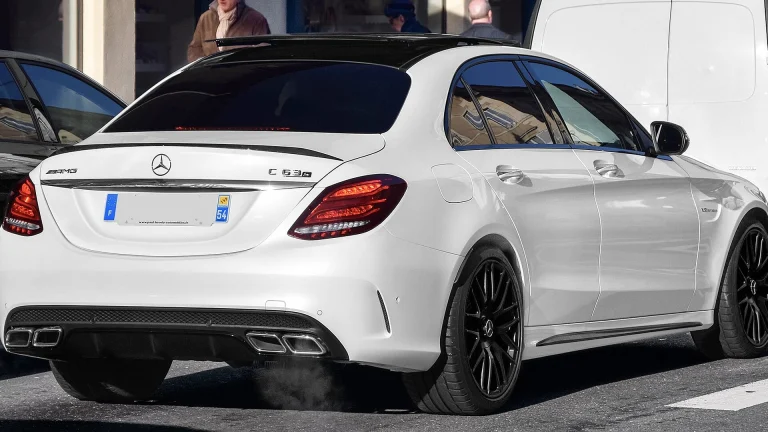

File photo of a Mercedes-AMG C63 S; not the car in this case.
A 17-year-old Los Angeles senior says he put four years of college savings, $58,000, into a 2019 Mercedes-AMG C63, took the seller to the DMV first, heard a clerk say there was no lien, and then lost the car to a tow company that said Carvana sent it.
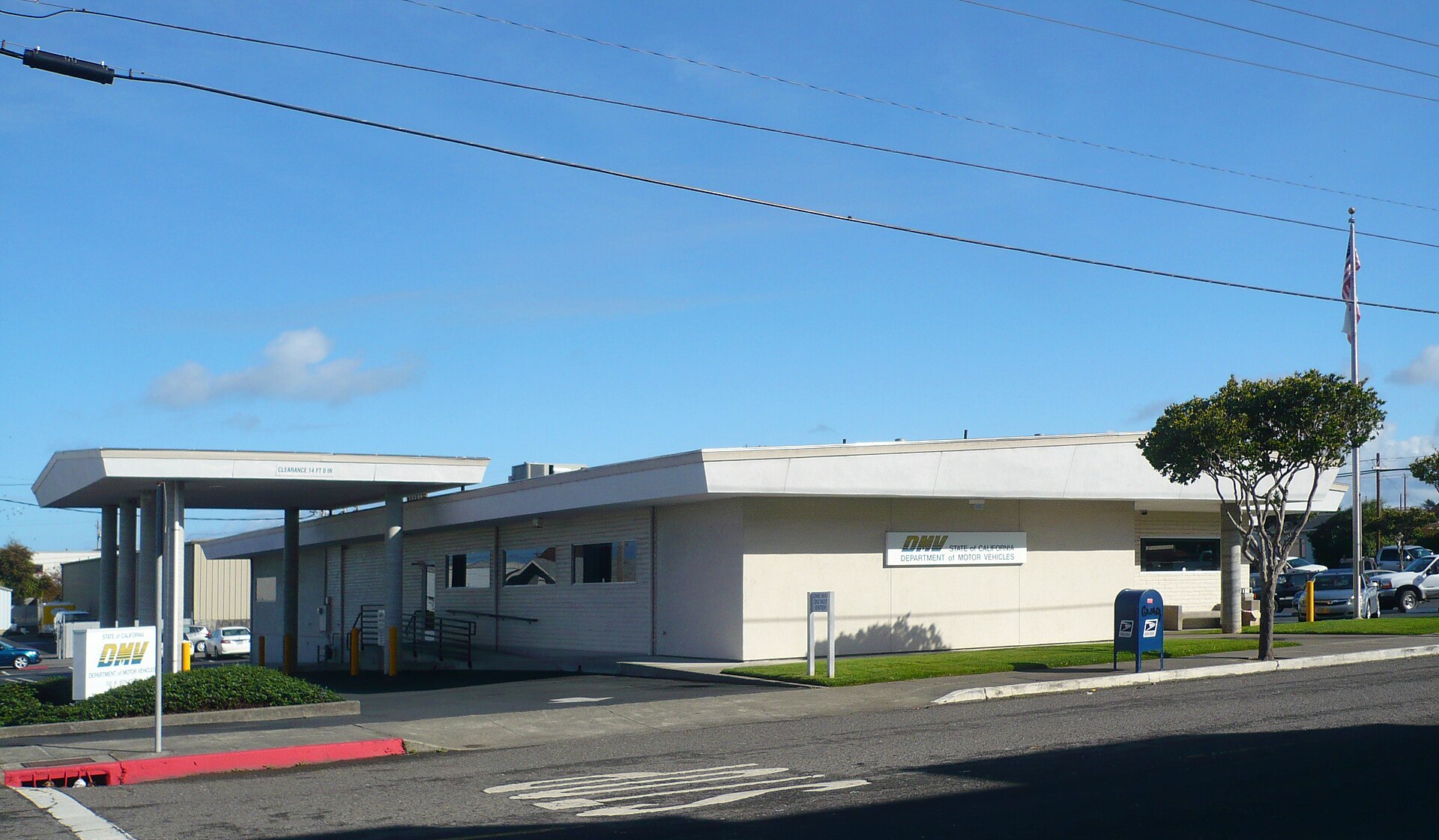
He found the car on Autotrader, he told ABC7 Los Angeles. The car disappeared the night before he was set to sell it for $75,000. Los Angeles police are investigating, he said, and the seller’s identity and paperwork turned out to be fake. His account of what the California DMV told him is the center of the story, and the DMV has not confirmed any of it, according to ABC7’s report.
What the teen says happened at the DMV counter
He took the seller to the DMV before handing over any money, he told ABC7, and a clerk said more than once that the car had no lien. The title he received and the Carfax report he pulled both listed no lienholder. He spent about three months repairing the car and lined up a buyer at $75,000. The night before that sale, the car was gone. Assuming it had been stolen, he called LAPD and was directed to a tow company, where he says he was told Carvana had ordered the company to take it.
He went back to the DMV and says a representative told him that when a title is transferred, earlier paperwork can be overlooked, and a lien can be released and a title issued that is later void. He said the DMV took his original title. The DMV told ABC7 it could not comment because of an open investigation. ABC7 reported that Carvana had not responded to its requests for comment, so nothing on the record yet says whether Carvana held a lien on this car or why it ordered a tow. Titles can lie: in Arkansas, police say a tow boss washed liens off financed cars with fake abandoned-vehicle titles. Nobody has said how this one came out clean.
A lien survives the sale unless the lender signed off
The legal question under the clerk’s answer is older than the DMV counter. Under California Commercial Code section 9315, a security interest continues in collateral after it is sold unless the secured party authorized the sale free of that interest. For vehicles, Vehicle Code section 6300 says a lender’s interest in a registered vehicle is perfected when it files a properly endorsed certificate of ownership with the DMV, in person or electronically.
If a lender’s lien was properly on file and never released, the law favors the lender even against a buyer who paid in good faith. If no valid lien existed, a repossession order has nothing under it. Which of those is true here is the whole case, and the parties who would know have not said.
How a financed car can end up with a clean paper title
California lenders can hold a title through the DMV’s Electronic Lien and Title program. Under it, the DMV’s procedures manual says, the title is an electronic ownership record held for the lienholder, and the registered owner gets a registration card instead of a title. When the loan is paid off, the lender sends an electronic release and the DMV issues a new title to the owner. A car with a live electronic lien should reach a private buyer with no paper title at all.
A paper title can still be issued through a duplicate. For a vehicle three model years old or older, the DMV’s instructions call for a duplicate-title application, a missing-title statement, and either the legal owner’s notarized signature or a notarized REG 166 release. A 2019 model is well past that line. In that process the lender’s consent rests on a notary’s stamp, and a forged or fraudulently obtained document can produce a title that looks clean at the counter. The DMV has not said how the title in this case was issued, and the teen’s account does not establish it, so that is a mechanism to watch, not a finding.
Who absorbs the loss
The seller took the money, and the teen says the identity behind the sale was fake, which limits what LAPD can do. That leaves a buyer who says he followed every step he was given and two parties with nothing on the record: Carvana, and a DMV pointing to its open investigation. He wants Carvana to return the car or pay him the $58,000. ABC7 reported no lawsuit or claim filed.
ABC7’s consumer advice is to pull at least one vehicle history report, more than one if possible, and to check with the DMV that a title has not been washed of liens or salvage. By the teen’s account he did exactly that, and the DMV’s answer is the step he says failed him. Two investigations are open, LAPD’s and the DMV’s, and Carvana has not said whether it held a lien at all.
Photos: A Mercedes-AMG C63 S, file photo, not the car in this case. Alexandre Prévot / Wikimedia Commons (CC BY-SA 2.0).
He did the DMV check everyone tells you to do. If the clerk’s answer was wrong, should the state cover the $58,000, or does that loss stay with the 17-year-old who asked?
About the Author