Photo: Becker1999 / Wikimedia Commons, CC BY 2.0
One night in August 1975, a Utah Highway Patrol officer pulled over a tan Volkswagen Beetle in suburban Salt Lake City. The front passenger seat was missing. Inside, he found handcuffs, a crowbar and a ski mask.
The driver was Ted Bundy. That traffic stop led to his first arrest, and the Beetle went on to become evidence in one of the most notorious criminal cases in American history.
It’s the hardest car in our October series to write about, and it should be. There’s no ghost story attached to it. Nobody needs one.
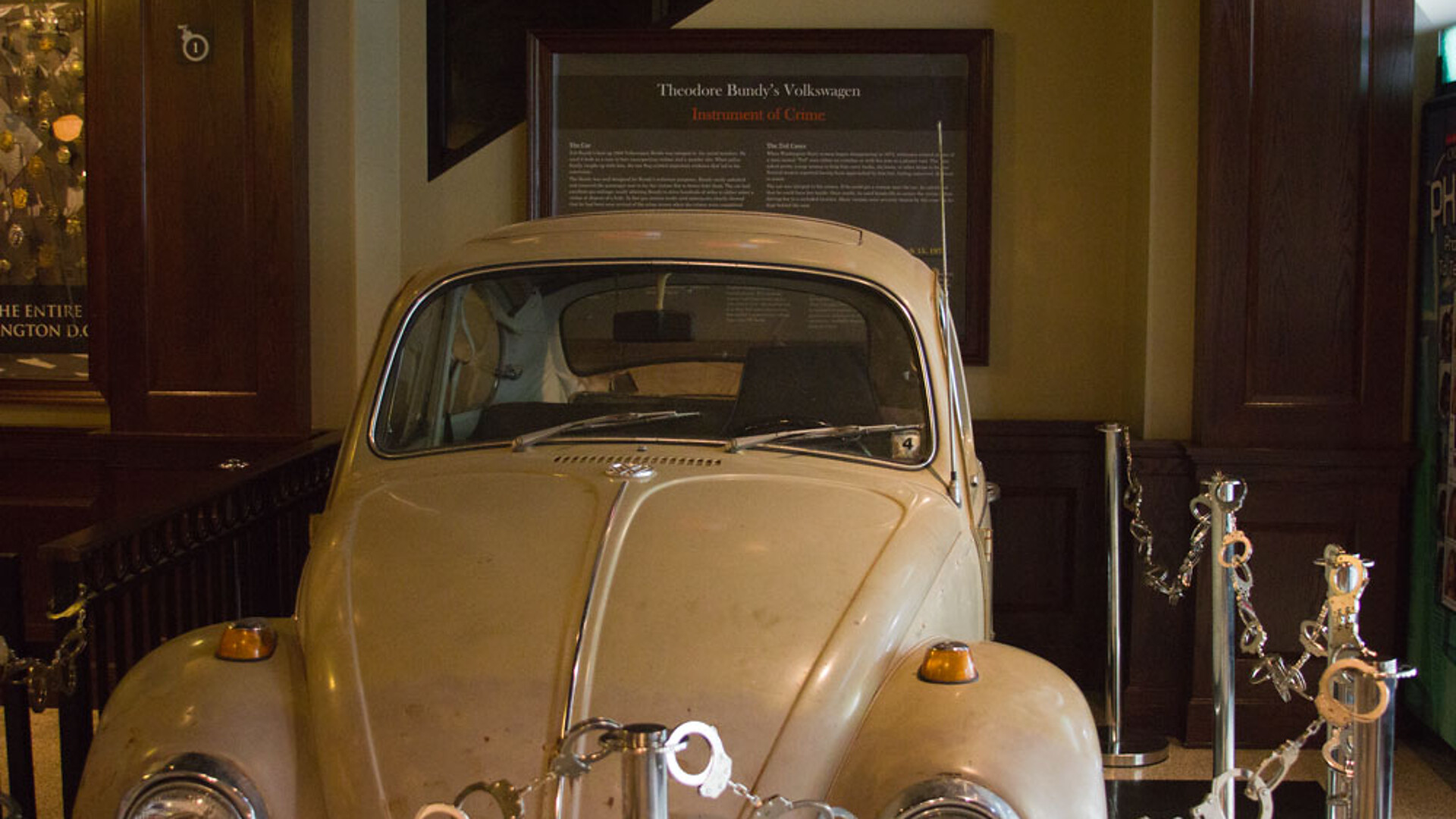
The car
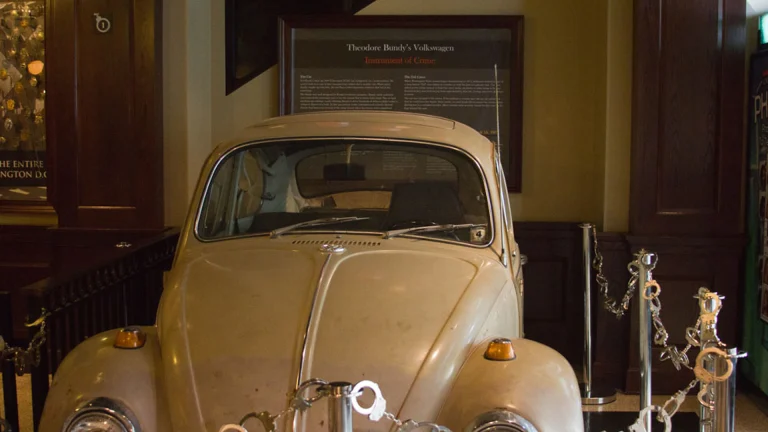
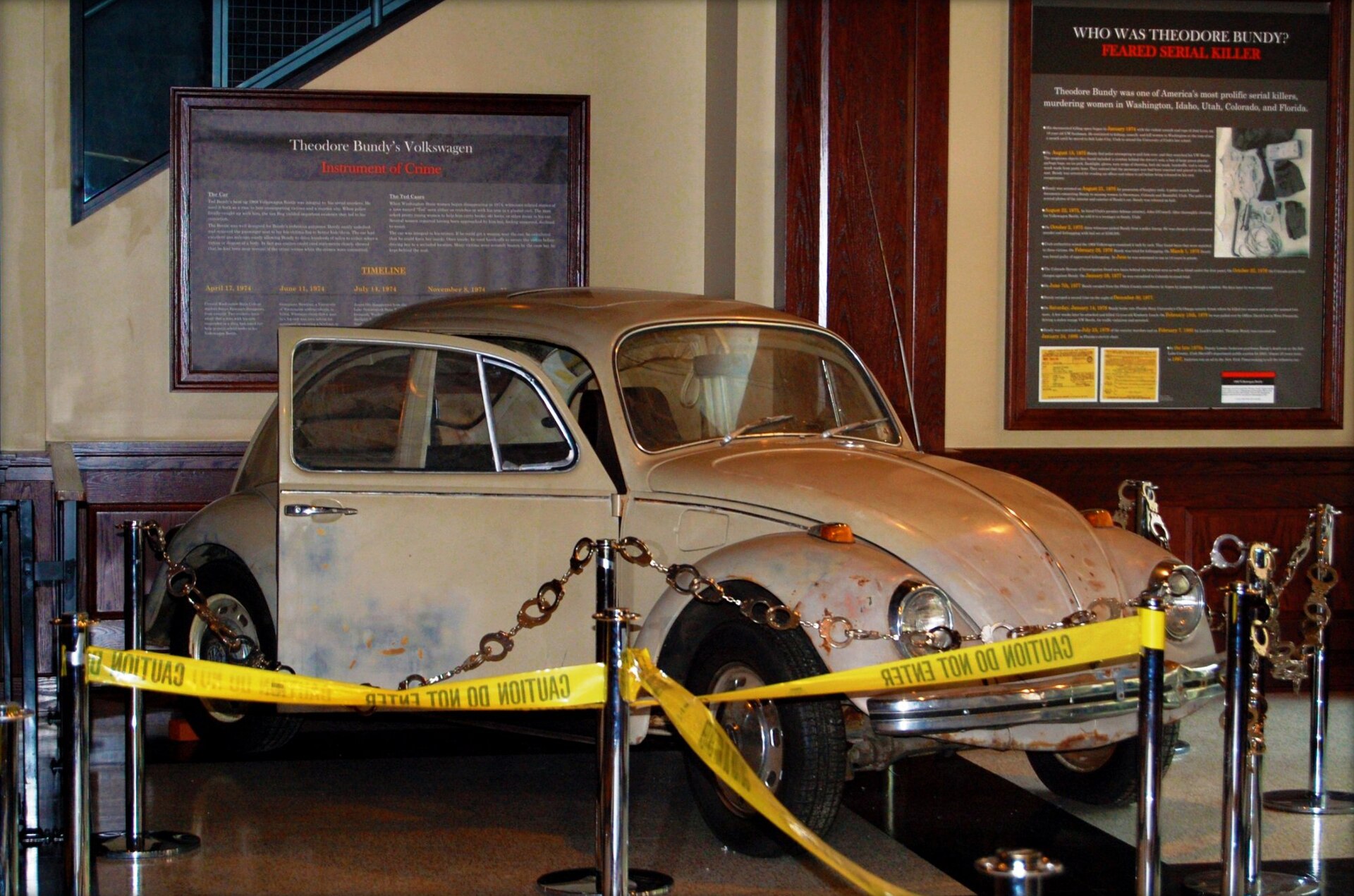
Bundy used the tan 1968 Beetle during the killings he committed in the 1970s. He had removed the front passenger seat, which gave him room in a small car that otherwise had very little of it. Investigators later recovered hair from the car that tied it to victims, and it was used as evidence at trial.
After the case, the car was reportedly sold at a police auction for $925. It later changed hands for a reported $25,000 and eventually went on public display.
Where it sits now
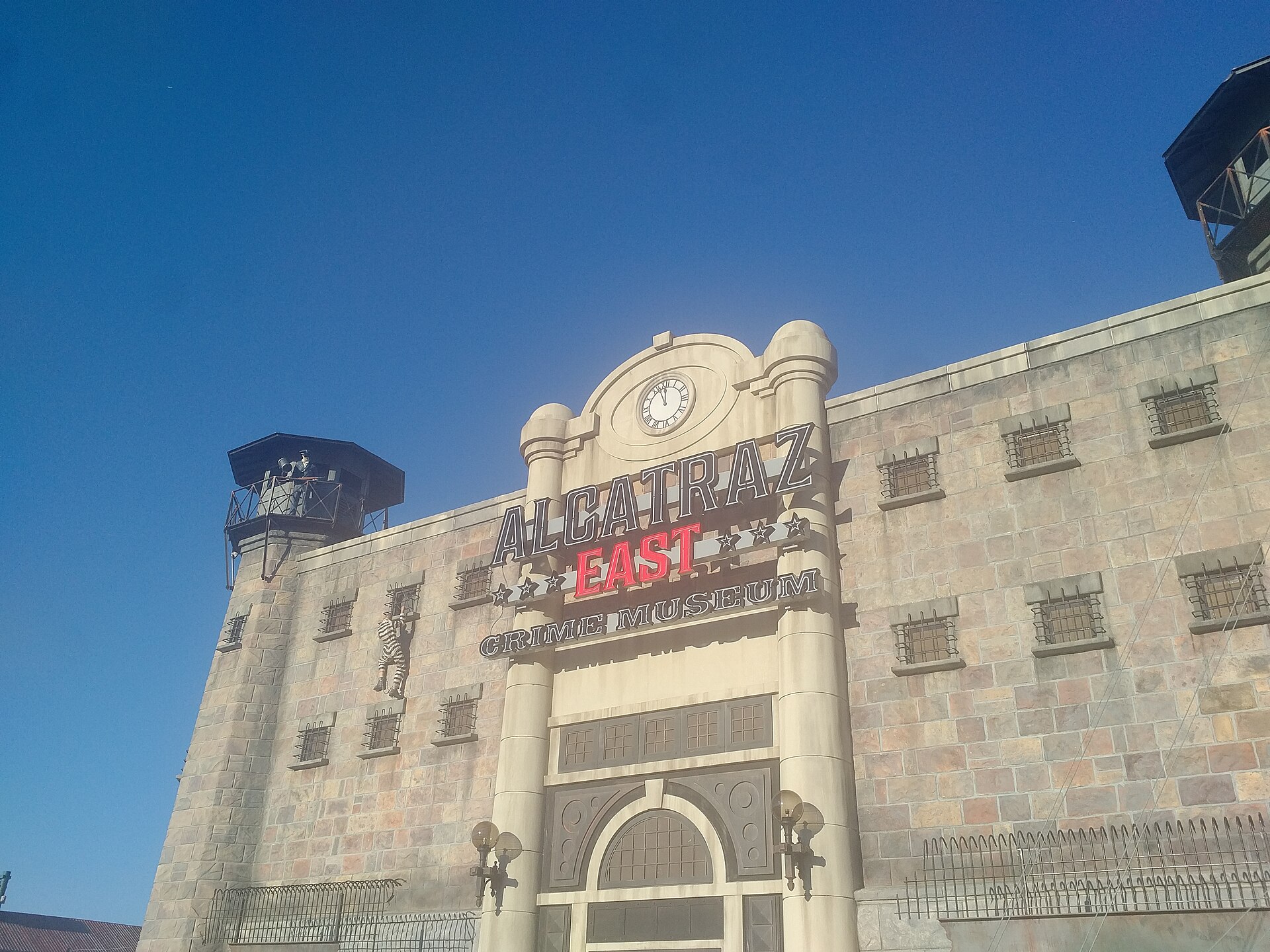
Today it’s at the Alcatraz East Crime Museum in Pigeon Forge, Tennessee, alongside other vehicles from American crime history, including the white Ford Bronco from the O.J. Simpson chase.
It has been left largely as it was found: worn, rusty and cracked. That choice matters. Clean it up and it becomes just another old VW. Leave it alone and it stays what it is, which is evidence. Collectors had the same argument when someone restored Tupac’s BMW.
The question collectors avoid
A 1968 Beetle is about as ordinary as a car gets. Volkswagen built millions of them. Everything that separates this one from the rest comes from what its owner did with it.
That’s provenance in a technical sense, documented through court records and police files, the same kind of paper trail behind Bonnie and Clyde’s Ford. But it’s provenance built on other people’s suffering. When a car goes from $925 to many times that because of who drove it, the market isn’t pricing the car. It’s pricing the crimes.
Museums keep objects like this because a photo of the Beetle is information. Standing next to it is something else. Whether a private collector should own one is a different question. We’re glad this one is behind museum glass.
Nothing about the Beetle in Pigeon Forge needs embellishing. The case files are real, and so were the victims.
Should anyone be allowed to own a car like this, or does it belong behind glass for good?
Sources
About the Author