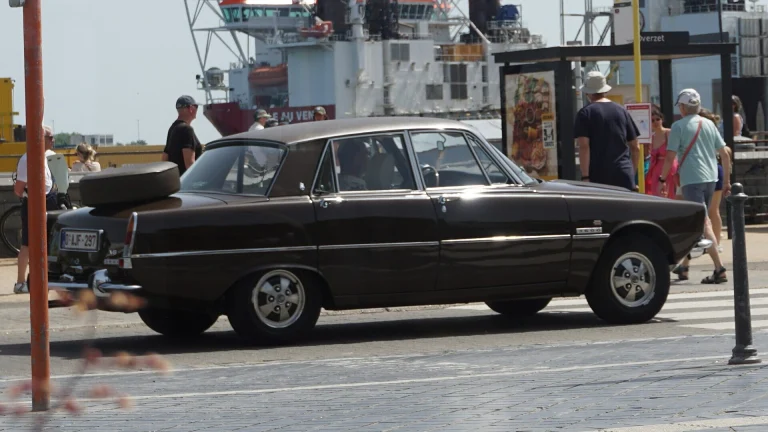
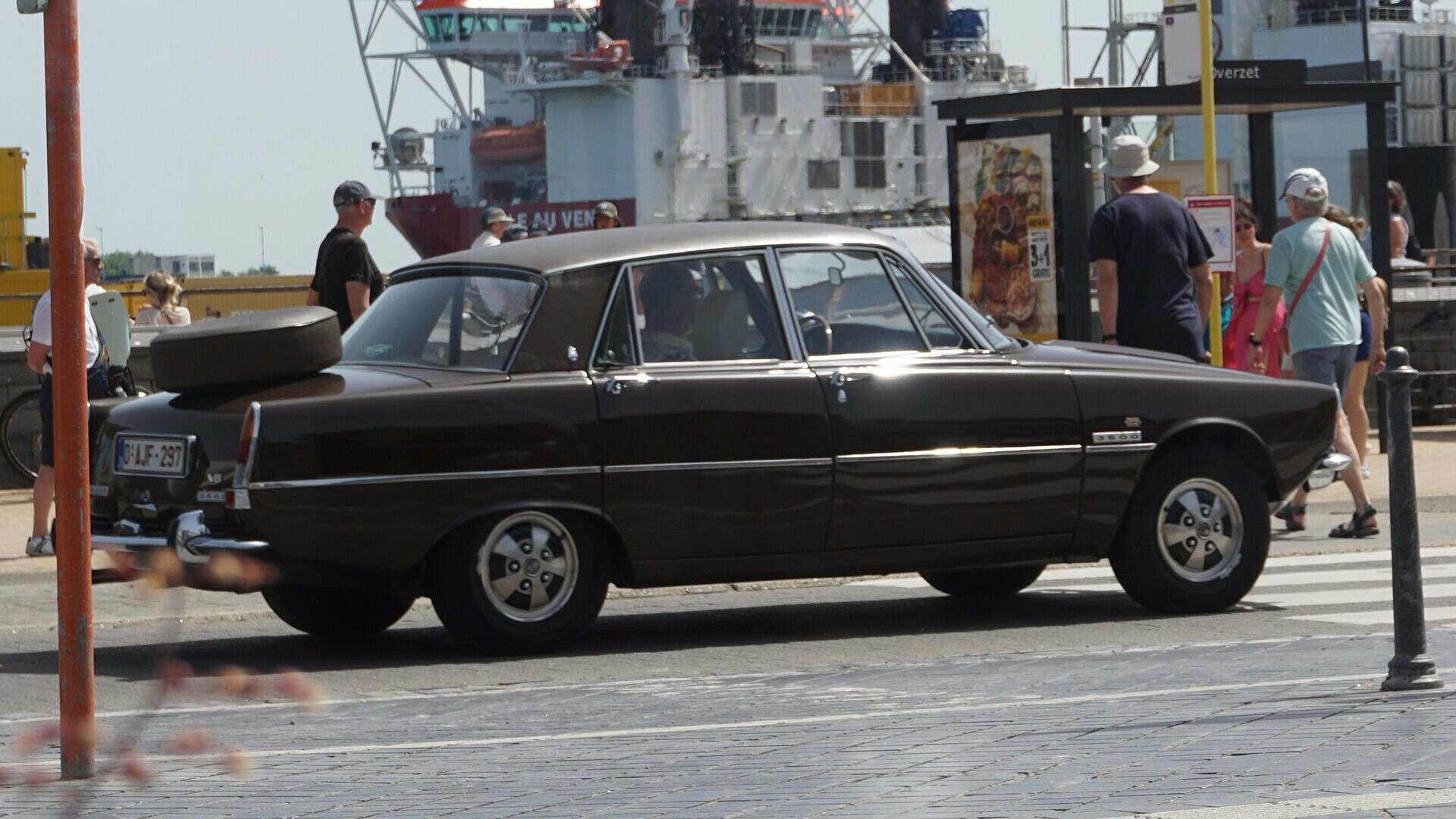
A Rover P6 3500, the model Princess Grace was driving. Photo: 2538O / Wikimedia Commons, CC0
On Monday, September 13, 1982, Princess Grace of Monaco set off down the mountain from the family’s country house at Roc Agel, driving herself, with her 17-year-old daughter Stéphanie in the passenger seat.
The car was a 1972 Rover P6 3500, the sort of sensible British sedan a bank manager might drive. On one of the tight bends of the descent toward Monaco, it failed to turn. It went through the barrier and rolled roughly 100 feet down a steep slope.
Nobody claims the car is haunted. What follows it around is a set of questions, and 44 years of official answers haven’t made them go away.
From Oscar winner to princess
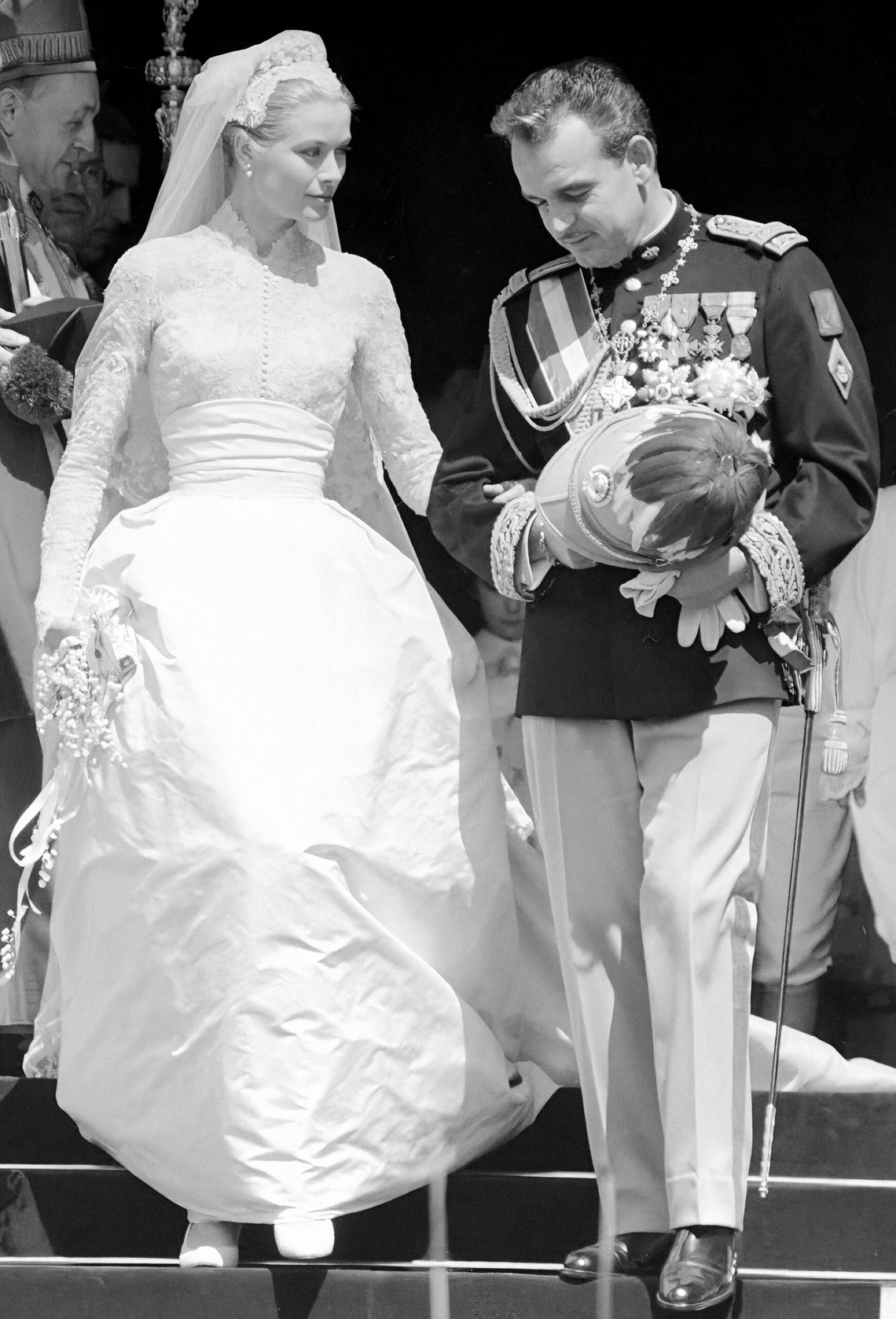
Grace Kelly walked away from Hollywood, Oscar already on the shelf, to marry Prince Rainier III in 1956. For the next 26 years she was one of the most recognizable women on earth.
The crash
Stéphanie was injured but survived. Grace was taken to the hospital with severe injuries and died the following evening. Doctors later said she had suffered a stroke, and the most widely accepted explanation is that a small stroke at the wheel caused the crash, with a larger brain hemorrhage following.
The questions
That explanation never fully settled things. Early reports mentioned brake failure, but the car was examined afterward and no brake problem was found. Then came the rumor that Stéphanie had been driving. Eyewitnesses and the palace said Grace was at the wheel, and Stéphanie has denied the rumor for decades, but it never quite died.
A princess, a tight mountain bend and a teenager in the passenger seat: no report was ever going to close that file.

An unlikely car for a princess
The P6 3500 was a well-respected British executive car with a light aluminum V8 that Rover had bought from Buick. Comfortable and a little understated, it’s not the car you’d picture a princess driving herself. Collectors appreciate P6s today, but they trade at sensible prices, and nobody would call one exotic.
Strip away the date and it’s a nice old Rover you’d walk past at a club meet. Its entire significance comes from one morning, and specifically from the parts of that morning people still argue about. If everything had been clear from the start, it would probably be remembered as a sad accident and little more.
Most celebrity car crashes get an official explanation and fade. This one, like Thelma Todd’s death in 1935, never did.
Brakes cleared, witnesses agree, doctors found a stroke. If that’s not enough for you, which part do you think the official version skipped?
Sources
About the Author