Overlanding for beginners can feel intimidating when every social feed is full of $150,000 rigs crossing continents. The good news: overlanding is far more about self-reliant travel than it is about expensive hardware. This guide breaks down what the hobby actually involves, how to get started with the vehicle you already own, and how to plan a first trip that leaves you hooked instead of humbled.
What Overlanding Actually Means
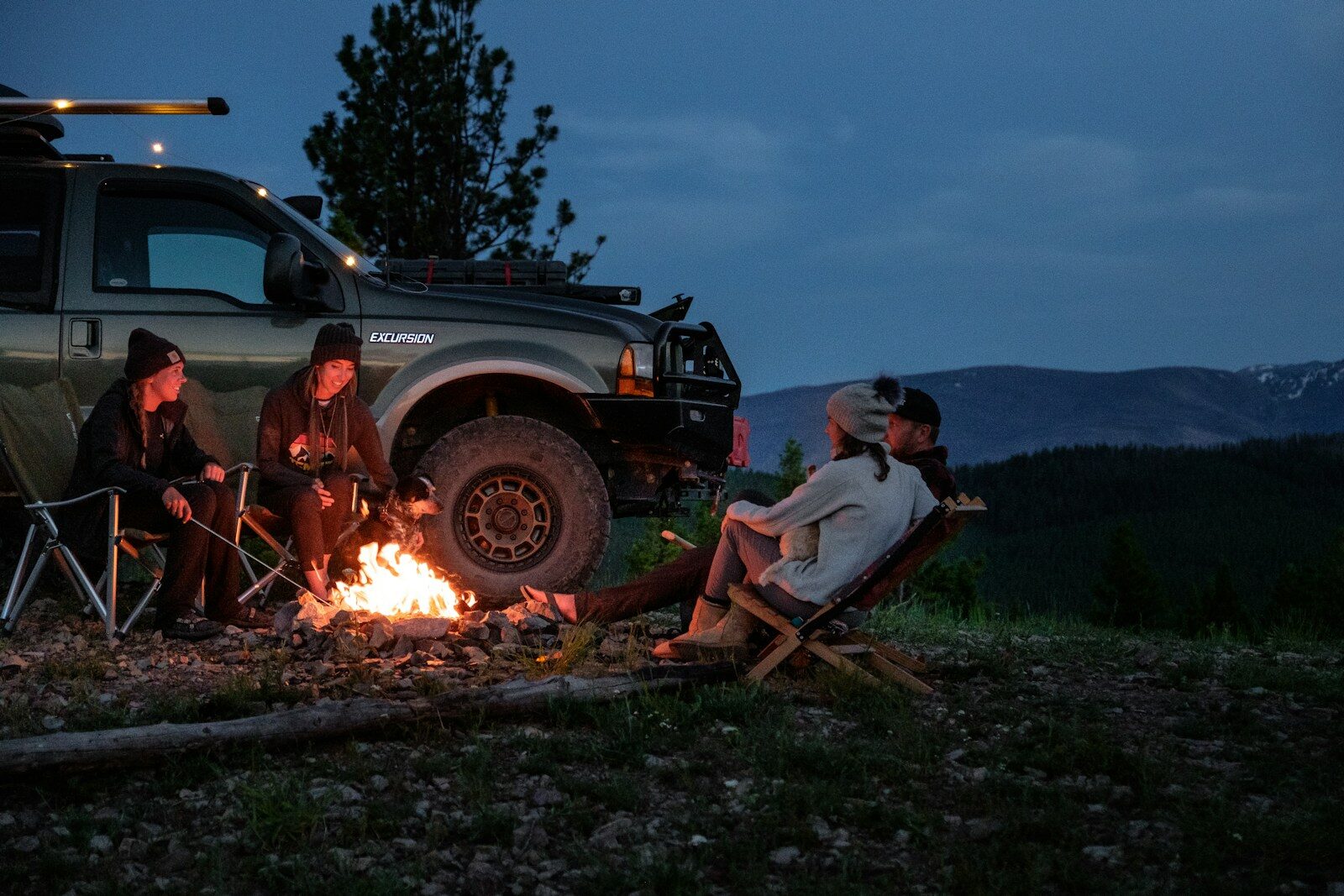
Overlanding is vehicle-based travel where the journey is the destination. Unlike off-roading, which prioritizes conquering difficult terrain, overlanding emphasizes self-sufficient travel over long distances, often camping along the way. The trail is simply the route to somewhere remote and worth seeing.
Do You Need a Special Vehicle?
Probably not to start. A reliable SUV or truck with decent ground clearance and all-terrain tires will handle most beginner-friendly routes. Reliability matters more than capability for your first trips. As you progress, you may consider suspension upgrades, and our breakdown of a lift kit versus a leveling kit is a smart place to understand what those changes actually do before spending money.
The Gear That Actually Matters First
Resist the urge to buy everything at once. Prioritize recovery gear, navigation, water storage, a way to sleep comfortably, and basic vehicle spares. Our roundup of essential gear picks for getting into off-roading and the weekend off-roader’s essential gear kit cover the core items that belong in every rig before anything cosmetic.
Check out: The 15 Best Recovery Gear Essentials Every Off-Roader Should Keep in the Truck
Sleeping Setups: Ground Tent, Rooftop Tent, or Trailer
Ground tents are cheap and flexible. Rooftop tents keep you off cold or wet terrain and set up fast. Off-road trailers offer the most comfort and storage but add weight and cost, sometimes spectacularly, as with this bulletproof off-road trailer. Start simple and upgrade once you know how often you actually go; our overland sleep guide breaks down the tradeoffs in more detail.
Planning Your First Trip
Choose a route within a few hours of home, ideally a maintained forest road or established overland trail with cell coverage rather than a remote, technical one. Download offline maps, identify fuel and water stops, check weather and fire restrictions, and always tell someone your plan and expected return. Carry a paper map and compass as backup, since electronics fail at the worst possible moments deep in the backcountry. Your first night out is about learning your systems, not setting records.
Beginner Mistakes to Avoid
The most common rookie errors are overpacking, underestimating fuel range, airing tires incorrectly, and pushing too far into terrain beyond your experience. Air down for traction on dirt and sand, keep a buffer of fuel and daylight, and turn around earlier than your ego wants to.
Building Skills Before Spending Money
The most capable overlanders are often the ones who invested in skills rather than the flashiest gear. Learn basic vehicle maintenance, navigation with and without GPS, and recovery fundamentals before you spend thousands on accessories. Our off-road driving techniques guide and recovery gear breakdown are far more valuable to a beginner than another shiny bolt-on.
Check out: Best Portable Air Compressors for Airing Up After the Trail (Tested & Ranked)
Leave No Trace and Trail Etiquette
Responsible overlanding keeps trails open for everyone. Pack out all trash, stay on established routes, respect wildlife and other travelers, and follow fire regulations religiously. The off-road community’s access depends on responsible behavior, so treat the land as something you are borrowing for future generations.
Check out: 10 Best Dash Cams for 2026
The Mindset That Matters Most
Overlanding rewards patience, preparation, and humility. The drivers who get into trouble are usually the ones in a hurry or unwilling to turn back. Build in extra time, extra fuel, and extra daylight, and treat every trip as a chance to learn. The hobby is a lifelong pursuit, not a race to the most extreme destination.
Budgeting for the Long Haul
Overlanding costs scale with ambition, but you do not need to spend everything at once. Prioritize safety and reliability first, then add comfort items as real trips reveal real needs. Many seasoned travelers look back and realize their happiest trips happened with modest gear, long before the expensive upgrades. Pair your vehicle prep with the right all-terrain tires and a thoughtful camping gear setup, and spend on what actually improves your experience rather than rushing the build in a single season.
Where the Hobby Can Take You
Overlanding scales with your ambition. Some people are content with weekend forest-road loops; others build rigs capable of crossing deserts and mountain ranges. Wherever you land, the core skill set, self-reliance, navigation, and smart packing, stays the same. Start small, build confidence, and let the trips get bigger as your experience does.
About the Author