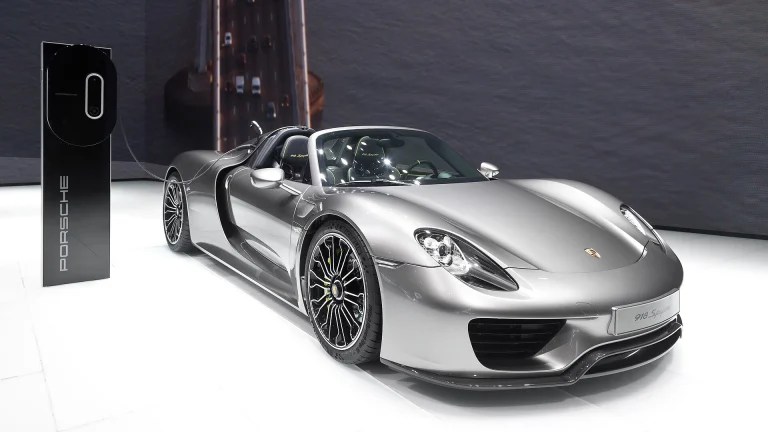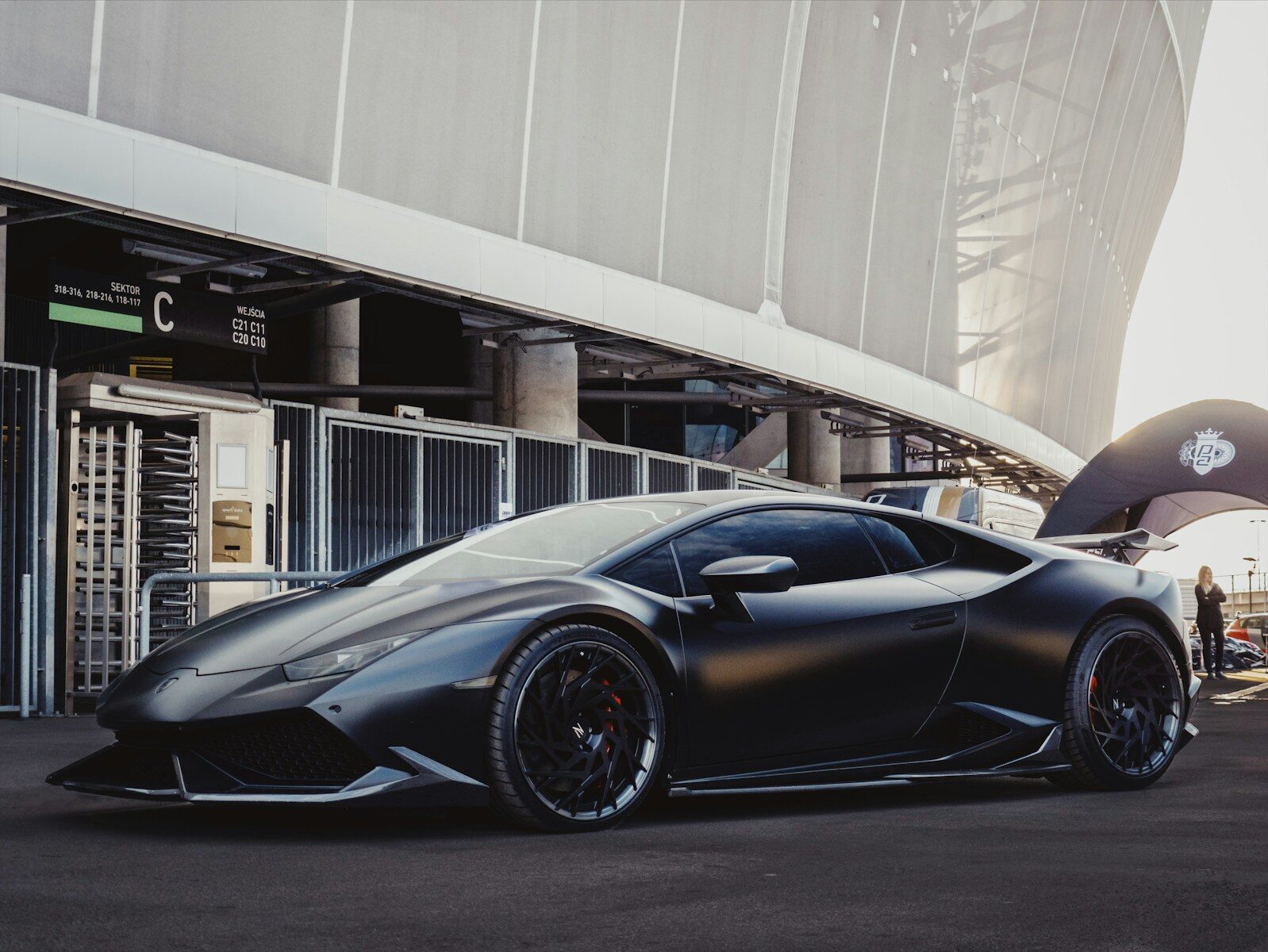
The terms get tossed around like confetti at an auction, but a hypercar vs supercar distinction actually means something specific. As the fastest machines on earth keep rewriting the record books, understanding where the line sits helps you appreciate just how extreme the top of the market has become. Here is what separates the two and who is leading the charge in 2026.
Defining the Supercar
A supercar is a high-performance, exotic sports car that sits well above mainstream sports cars in price, performance, and presence. Think mid-engine layouts, exotic materials, and six-figure price tags. They are rare and fast, but they are still produced in meaningful numbers and can be daily-driven by the brave.
Defining the Hypercar
A hypercar is the rung above, the pinnacle of automotive engineering with performance that borders on the absurd. These cars combine cutting-edge aerodynamics, lightweight construction, and often four-figure horsepower. Production is tiny, sometimes just a handful of units, and prices climb into the millions.
The Performance Gap
Where supercars chase impressive numbers, hypercars obliterate them. Nobody embodies this better than Koenigsegg, which keeps smashing record after record and refusing to slow down. Top speeds beyond 300 mph, acceleration that defies belief, and bespoke engineering define the hypercar tier.
Check out: The 15 Best Recovery Gear Essentials Every Off-Roader Should Keep in the Truck
Rarity and Exclusivity
Scarcity is core to the hypercar identity. Where a supercar might see thousands of units, a hypercar may be limited to dozens, with buyers vetted and waiting lists years long. That exclusivity is part of what justifies, and inflates, the staggering prices.
Price: Where the Worlds Diverge
Supercars generally start in the low-to-mid six figures. Hypercars begin in the millions and climb from there, frequently appreciating as collector pieces. At this level, the cars become rolling investments and trophies as much as machines to be driven.
The Celebrity Collector Effect
The world’s most exclusive cars inevitably end up in the world’s most exclusive garages. From the Ferrari-heavy collection we toured in Gordon Ramsay’s $16 million garage to Lionel Messi’s remarkable lineup, celebrity ownership both reflects and amplifies hypercar desirability.
Why the Distinction Matters
Calling everything fast a hypercar dilutes a meaningful category. The hypercar tier represents the absolute edge of what is mechanically possible, a moving target that engineers like those at Koenigsegg push further every year. Knowing the difference lets you appreciate exactly how extraordinary these machines really are.
Check out: Best Portable Air Compressors for Airing Up After the Trail (Tested & Ranked)
The Engineering Behind the Madness
Hypercars are rolling laboratories. They pioneer technologies that eventually trickle down to ordinary cars: advanced aerodynamics, lightweight carbon construction, hybrid power delivery, and active suspension. The engineers behind brands like Koenigsegg treat every component as an opportunity to push boundaries, often developing bespoke parts because nothing on the market is good enough. This relentless innovation is what separates a true hypercar from a merely fast car.
Aerodynamics: Managing Forces at 300 MPH
At hypercar speeds, air becomes a structural force. Active wings, underbody diffusers, and carefully sculpted bodywork generate downforce to keep the car planted while minimizing drag on the straights. Managing these competing demands is one of the hardest challenges in automotive engineering, and it is where hypercars truly distinguish themselves from supercars that never approach such velocities.
The Investment Angle
At the top of the market, these cars are financial assets as much as machines. Limited production and intense demand mean many appreciate significantly, and the most exclusive examples become blue-chip collectibles. This dynamic mirrors the broader collector market we cover in our collector car auction guide, where rarity and provenance drive staggering prices.
Check out: 10 Best Dash Cams for 2026
Living With a Hypercar
Owning one of these machines is its own challenge. Maintenance is specialized and expensive, insurance requires dedicated agreed-value coverage of the kind we discuss in our car insurance guide, and many owners rarely drive them for fear of damage or depreciation. They are trophies as much as transport, which is precisely why they end up in collections like those we toured in our celebrity garage features.
The Future of the Hypercar
Electrification is reshaping even this rarefied tier. Electric hypercars deliver instant, brutal acceleration, while hybrid systems let combustion engines push power figures once thought impossible. The arms race shows no sign of slowing, and engineers keep finding new frontiers. Whatever powers them, hypercars will always represent the absolute pinnacle of what is mechanically possible, a moving target that fascinates enthusiasts year after year.
Why Enthusiasts Are Obsessed
The fascination with hypercars goes beyond speed. These machines represent human ingenuity at its most uncompromising, the automotive equivalent of a moon landing. Every record broken and every barrier shattered reminds us what is possible when engineers refuse to accept limits. For enthusiasts, following the hypercar wars is like watching the cutting edge of technology unfold in real time, with each new release rewriting what we thought a car could do. That sense of witnessing history is a huge part of the appeal, and it keeps the community endlessly engaged with even the most unattainable machines.
Join The Conversation
So the line is basically four-figure horsepower, 300+ mph, millions of dollars, and a handful of units — Koenigsegg territory. But here’s the debate: now that electric motors hand out brutal acceleration to anything with a battery, does ‘hypercar’ even mean anything anymore? Name ONE car you think gets called a hypercar but absolutely hasn’t earned the badge.
About the Author