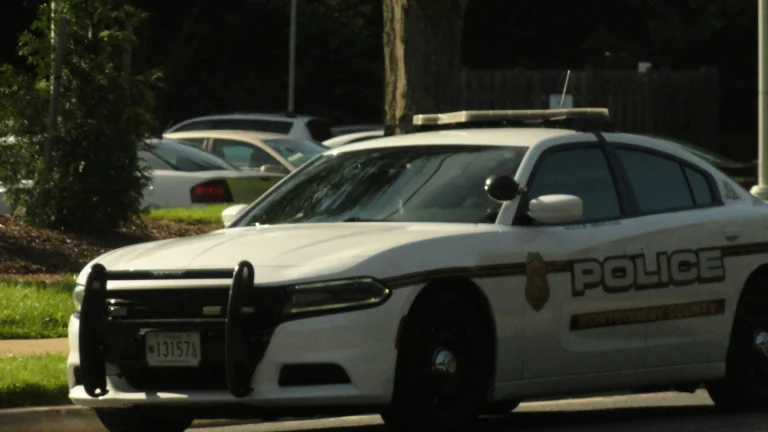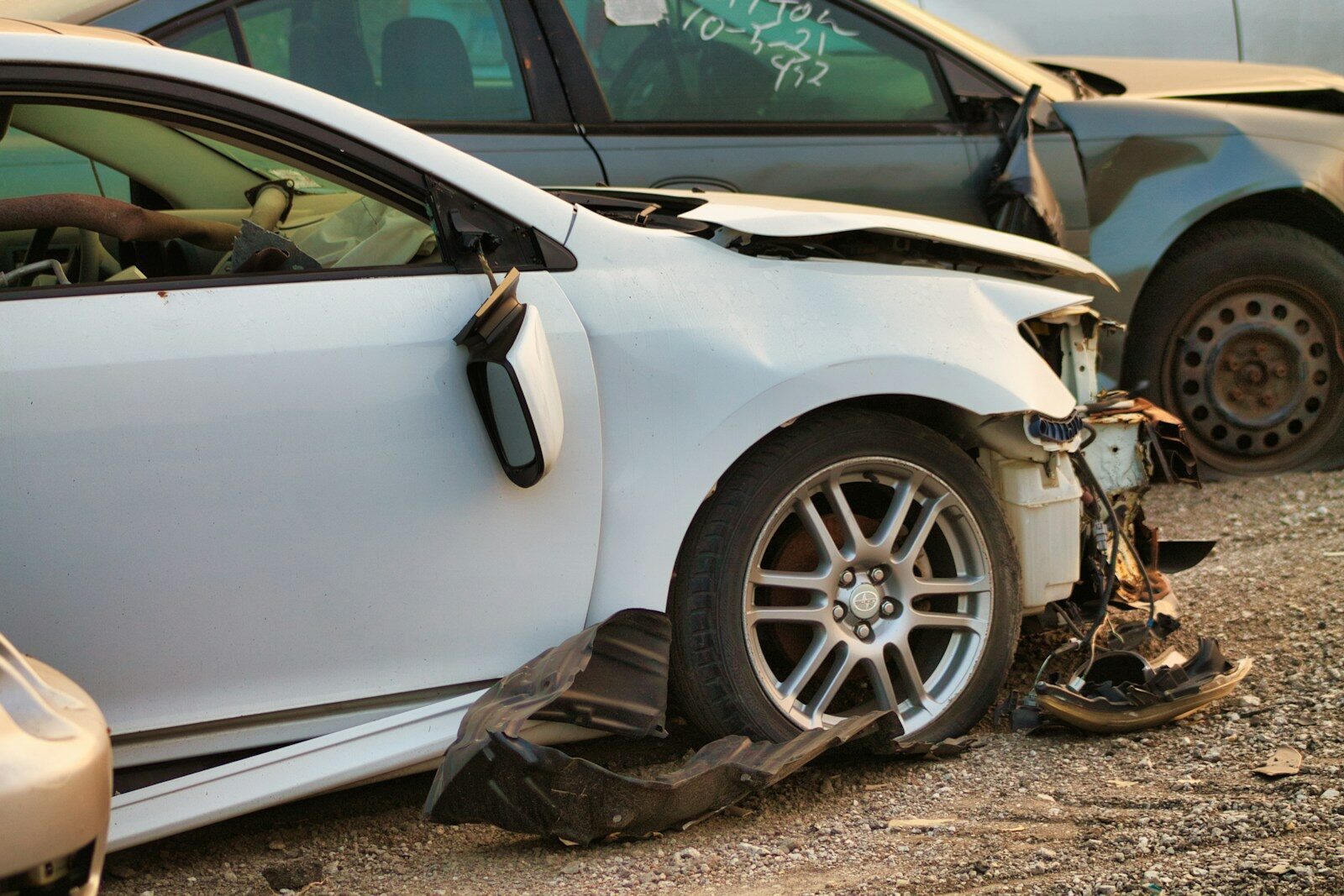
Jonathan Chase had one job most drivers never think about: deciding whether a wrecked, flooded, or stripped-for-parts vehicle was safe enough to go back on Michigan roads. As the only officer at the Lincoln Township Police Department authorized to sign off on salvage vehicle inspections, he was the entire safety net for anyone trying to legally resurrect a totaled car in his corner of Berrien County. Then he started signing off on cars without doing the work the certification was supposed to guarantee, and the safety net became the loophole.
Chase, 55, of Stevensville, was sentenced on August 10 by Judge Arthur J. Cotter in Berrien County’s 2nd Circuit Court to 18 months of probation, with the first 90 days served in the Berrien County Jail. He pleaded no contest in June to one count of misconduct in office and one count of false certification, both felonies, after being charged in October 2025. The Michigan Department of Attorney General says Chase, a former detective lieutenant, submitted multiple falsified salvage inspection forms to the Michigan Department of State while serving as the sole officer inside his department responsible for that certification.
Attorney General Dana Nessel kept her public comment on the case short: “We trust law enforcement to protect our communities, not misuse their authority.” Her office was more specific about the fallout, stating that the falsified paperwork put unverified vehicles on the road and undermined the safety purpose the inspection exists to serve. The legal matter is resolved. The more useful question for anyone shopping a rebuilt title is what a salvage inspection is actually supposed to catch, and how easily that check can be reduced to a rubber stamp when one person controls the entire process.
A salvage or rebuilt title isn’t just a paperwork inconvenience. Once an insurer totals a car after a wreck, flood, or theft recovery, most states, Michigan included, require a physical inspection before that vehicle can legally return to the road under a rebuilt title. The inspector isn’t just confirming the headlights work. They’re verifying the frame and structural components weren’t bent beyond safe repair and, just as importantly, that every swapped-in part has a legitimate paper trail back to a legally acquired donor vehicle. That second half of the job is the part most drivers never think about, and it’s as much an anti-theft and anti-counterfeit checkpoint as it is a mechanical safety check.
That distinction matters because the components most likely to get swapped into a rebuilt car without a clean paper trail are airbags and other restraint-system parts, since they’re expensive to source legitimately and comparatively easy to fake. Counterfeit and recycled airbags have a documented history of failing to deploy properly or rupturing in ways they were never designed to, which is exactly why regulators treat parts certification as inseparable from structural safety. When the person responsible for verifying that chain of custody is the one fabricating it, every vehicle that passed through his desk becomes an open question for whoever eventually buys it.
Backfire has covered how far a compromised paper trail can travel. This Dodge Daytona sat labeled as fraud evidence in a Missouri junkyard for a decade and still couldn’t shake buyer skepticism at auction, proof that a documentation problem can chase a car’s value long after the underlying fraud gets resolved. Michigan’s case is smaller in scale, but it hits the same nerve: once the state’s own certification process is compromised, nobody downstream, whether it’s a dealer, an insurer, or a private buyer, can fully trust the title sitting in front of them.
Chase’s case is also a useful illustration of how thin the oversight layer can be at the township level. Lincoln Township, like plenty of small Michigan departments, ran its entire salvage-certification program through a single officer, with no second signature and no rotating inspector until the Michigan State Police Southwest Commercial Auto Recovery Team, a regional task force built to chase vehicle theft and title fraud across southwest Michigan, looked closely enough to catch it. The case then went to the Attorney General’s FORCE Team, a unit created in 2023 that normally spends its time on organized retail crime rings hitting big-box retailers, which says something about how seriously regulators are starting to treat vehicle title fraud.
For anyone shopping a rebuilt or salvage-titled vehicle, the practical takeaway isn’t to panic about every rebuilt title on a used lot, it’s to stop treating a state inspection stamp as the finish line. Run the VIN through the National Motor Vehicle Title Information System before assuming a clean rebuilt title means clean parts, and budget for an independent inspection from a shop with no stake in the sale, with particular attention to restraint systems and structural welds. Insurers already price rebuilt titles differently, often excluding comprehensive coverage or capping payouts well below a comparable clean-title car’s value, so a compromised inspection doesn’t just create a safety risk, it can leave an owner underinsured on a vehicle that was never properly vetted to begin with.
Salvage fraud and straight-up vehicle identity fraud are close relatives. Backfire has tracked a stolen Toyota Highlander whose paperwork finally caught up with it years and two borders later, a retired NASCAR truck disguised well enough to nearly pass as an ordinary street car, and a truck pulled from the bottom of a Michigan lake decades after it disappeared. Every one of those stories exists because somewhere in the chain, a piece of paper said something that wasn’t true. Chase’s conviction closes one specific loophole in one specific township, but the larger system still runs on trusting whoever holds the stamp, and that trust is only as good as the person willing to check it twice.
About the Author