Photo: Rob Olivera / Wikimedia Commons (CC BY 2.0)
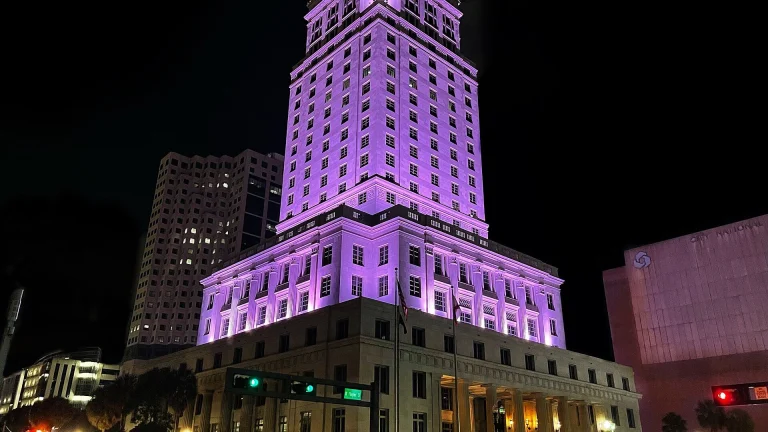
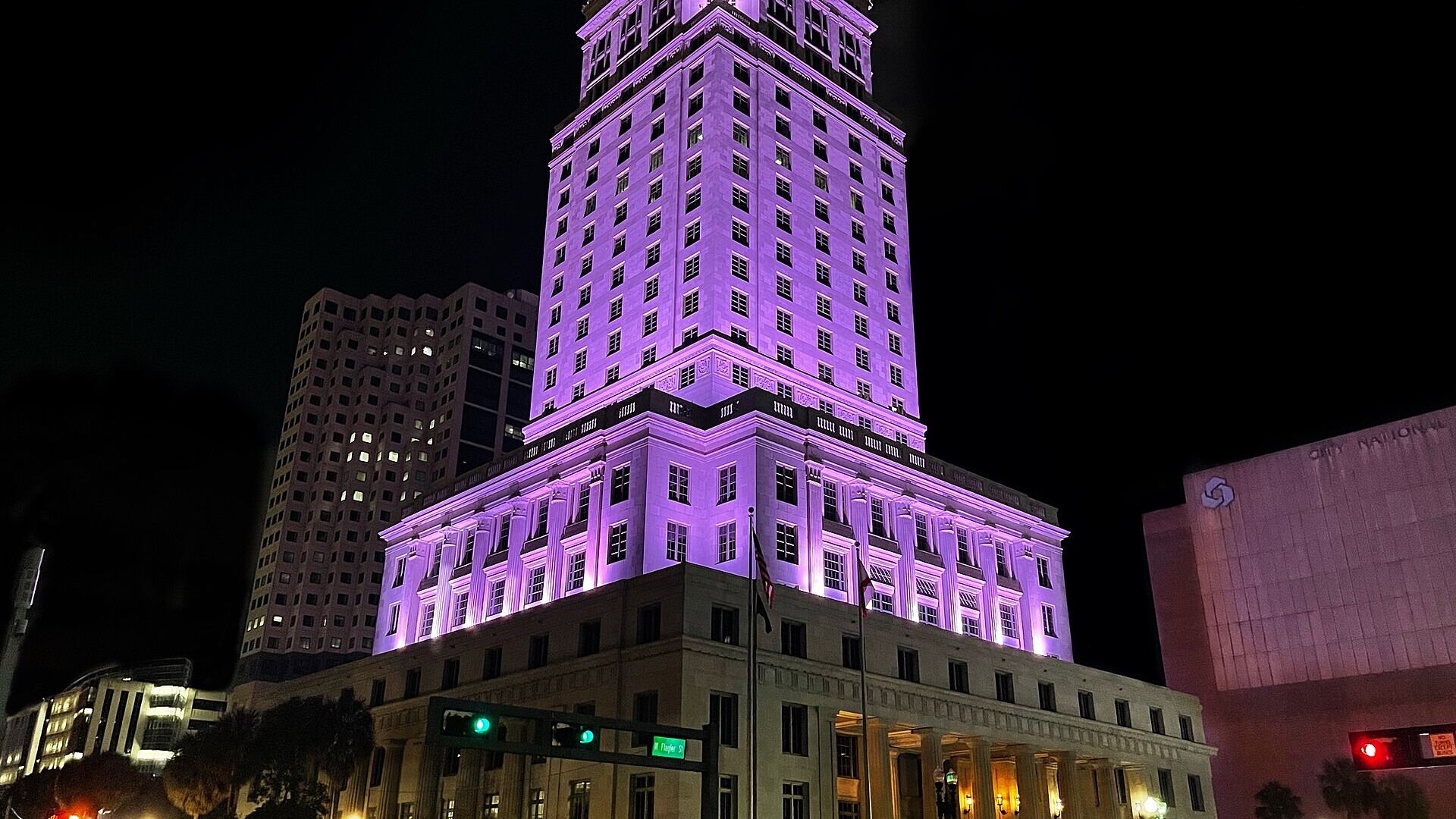
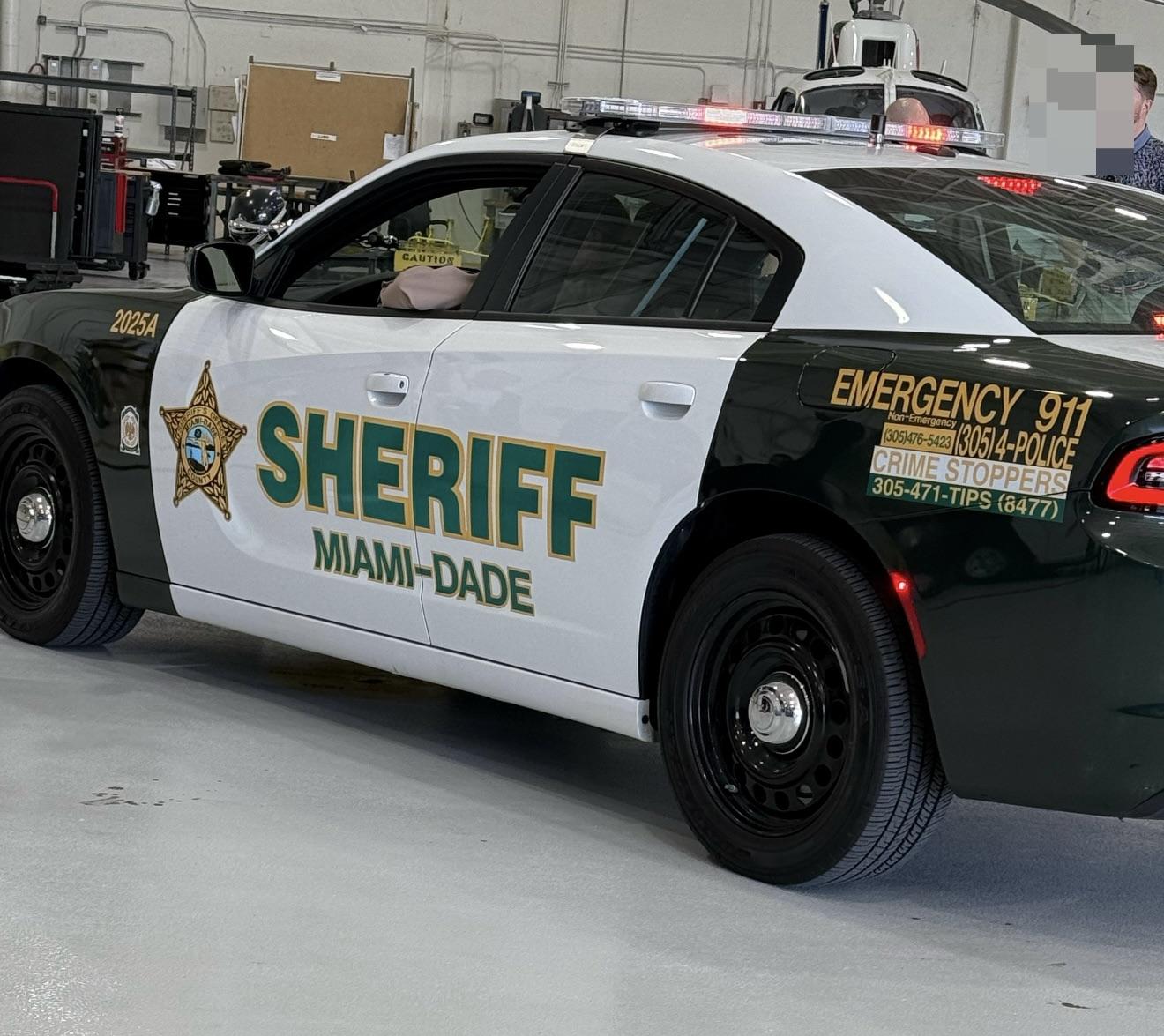
Miami-Dade Sheriff Rosie Cordero-Stutz was sworn in on Jan. 7, 2025, by attorney Israel Reyes. About six months later her office signed an agreement under which Reyes’s firm handles civil forfeiture cases and is paid only if the government wins, WLRN reported. Within two months, WLRN reported, Reyes had seized more than $45 million in bank accounts and inventory from local companies on the sheriff’s office’s behalf. The companies are now appealing a circuit judge’s ruling that let him stay on the cases.
Reyes gave $1,000 to Cordero-Stutz’s campaign in August 2024, WLRN reported. The sheriff’s office and Reyes’s firm did not respond to WLRN’s requests for comment.
What the engagement letter says
I read the signed engagement letter, which is dated June 30, 2025. The fee is a sliding scale. Before an owner files an answer or demands arbitration, the firm gets 30% of any recovery up to $1 million, 25% of the portion between $1 million and $2 million, and 20% of anything above $2 million. Once an owner files an answer, appears or contacts the firm to contest the seizure or seek a settlement, the first tier rises to 35%. The letter adds another 5% of any recovery after an appeal is filed. Press accounts give different percentages because the letter sets a scale.
A “recovery” in the letter is a final order or fully executed settlement that vests title to the seized property in the sheriff’s office under the Florida Contraband Forfeiture Act, so the firm collects nothing if a forfeiture fails. The sheriff’s office pays the firm’s costs and expenses whether or not there is a recovery, and any cost over $500 needs approval from the office’s general counsel.
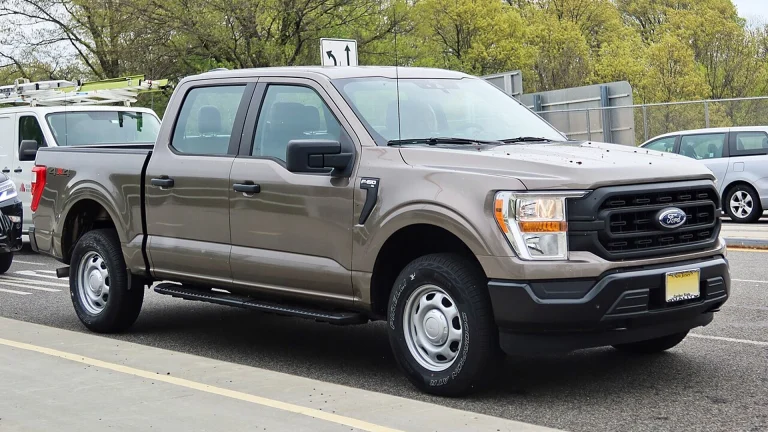
The fee reaches cars. For funds and “monetary instruments,” the percentages apply to the recovery. For vehicles, the letter sets a contingent fee on “the fair market value as is customary for motor vehicles,” and on appraised value for other real or personal property. I found no reporting that any vehicle has been seized under the agreement. What has been seized so far was bank accounts and inventory, WLRN reported.
Our math, on one hypothetical $40 million recovery nobody contests: $300,000 on the first $1 million, $250,000 on the second million and $7.6 million on the remaining $38 million, or $8.15 million. A contest adds $50,000 at the first tier, and the 5% appeal add-on would be another $2 million, as I read the letter. The companies’ appeal brief puts the firm’s take on the money seized so far at $9 million to $13 million, Reason reported.
The court fight
The companies sued the sheriff’s office, arguing that paying the prosecutor out of what he wins is a conflict of interest, WLRN reported. Most face no criminal charges. WLRN reported that court filings say the seizure left SH Americas, South Florida’s largest Samsung phone distributor, unable to make payroll after more than $42 million was taken from its accounts. The company has not been charged with a crime.
Miami-Dade Circuit Judge Ariana Fajardo Orshan refused to disqualify Reyes, finding that the sheriff’s office keeps decision-making authority, WLRN reported. The two limits she identified, according to the Goldwater Institute’s amicus brief, are that the sheriff’s office must request prosecution in writing and that the head of the office must approve settlements. The appeal is pending at the Third District Court of Appeal as No. 3D2026-1363, consolidated with seven others, and the Goldwater brief argues the arrangement violates due process and Florida Bar rules. Lisandra Guerrero, the attorney for the companies, said, “Policing is not a for-profit enterprise.” WLRN reported that the appeal may produce the first Florida ruling on contingency-fee deals of this kind, and that such contracts are banned in many states, including Georgia.
What Florida’s statute says about the money
The 2024 edition of section 932.7055 sends forfeiture proceeds first to court-preserved liens, then to storage, maintenance, security and forfeiture costs, then to court costs. What remains goes into a special law enforcement trust fund and may not cover normal operating expenses. A local agency that takes in $15,000 or more in a fiscal year must spend or donate at least 25% of it on programs such as drug treatment, crime prevention or school resource officers, and subsection (9) bars agencies from budgeting around forfeitures they expect. The section does not name attorney fees or contingency payments. WLRN reported that fines and forfeitures revenue at the sheriff’s office went from $396,000 in the year before Cordero-Stutz took office to $9.6 million the next fiscal year.
Backfire News has covered two other seized-property stories: an Oklahoma sheriff who got a judge to title a stolen ATV to his office and the Florida law that lets the state forfeit a car after a police chase.
Now it’s the Third District’s call
The Third District will decide whether the arrangement stands. I did not find a hearing date in the briefs I read. If it stands, the fee scale above applies to any vehicle the sheriff’s office asks the firm to forfeit. If it falls, the pending cases lose their prosecutor. WLRN also reported that Reyes claimed $2.6 billion in other forfeitable assets, which the circuit court ruled are outside its jurisdiction and not currently seizable.
Featured image: Rob Olivera / Wikimedia Commons, CC BY 2.0. Body image: Twiney / Wikimedia Commons, CC0.
Should the lawyer who prosecutes a forfeiture case be paid a share of what the government takes, or should that job always be salaried?
About the Author