Image via Oracle Red Bull Racing
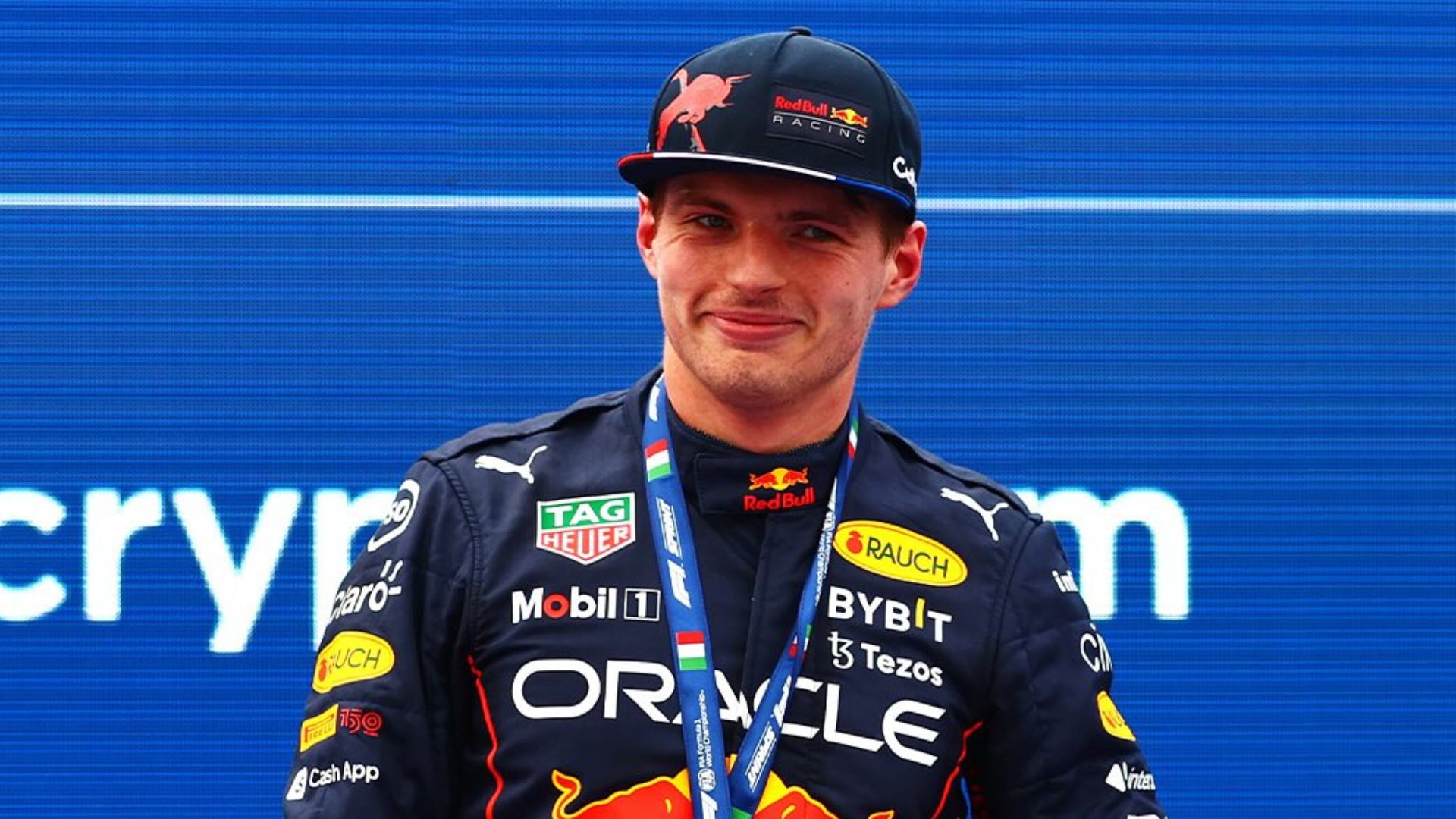
Max Verstappen has spent more than a decade racing wheel-to-wheel against the best drivers alive, but on September 16 he’s trying something considerably stranger: starting a kart race in last place, on purpose, with 100 total strangers standing between him and the finish. Red Bull is calling it Max vs 100, and the entire event is built around one blunt premise: give the four-time Formula 1 champion 30 laps at Silverstone to fight through an entire field of karts, one overtake at a time, before the laps run out.
_-_cropped.jpg)
Starting Last, On Purpose
The format is simple in concept and genuinely clever in execution. All 101 karts on track are identical, which erases any equipment advantage and turns the whole event into a pure driver-skill contest. The 100 challengers earn their grid spots through a single flying qualifying lap, the same unforgiving, no-second-chances format that sets real racing grids. Verstappen doesn’t get one. He’s locked into last place before a wheel turns, because the spectacle only works if he has to cut through the entire field rather than simply outrun it from the front.
One Overtake and You’re Done
Here’s the twist that separates this from an ordinary race: every driver Verstappen passes is immediately eliminated. The challengers aren’t racing to the checkered flag, they’re racing to survive as long as possible against a driver who has spent a childhood and a Formula 1 career doing little else but overtaking people. To keep that from becoming a 30-lap formality, Red Bull built in a handicap called the Fast Lap: a one-time shortcut each challenger can use anywhere in the first half of the race to buy back time when Verstappen closes in. Verstappen’s own version of that shortcut stays locked until the halfway point, handing his rivals a 15-lap window to use the one tool designed to slow him down before he can use his.
The 100 Names Filling the Grid
The entry list is where this stops resembling a normal karting exhibition and starts looking like a cross-section of internet fame. Olympic climbing gold medalist Janja Garnbret and decathlon silver medalist Leo Neugebauer are both on the grid, alongside extreme-sports regulars like hard enduro world champion Billy Bolt, freediving cliff diver Molly Carlson, and stunt rider Sarah Lezito. Streaming culture is heavily represented too, with massive-audience names like TheGrefg, Caedrel, and TechnoGamerz filling out the field. For anyone who follows car content specifically, two names stand out: Supercar Blondie and MrCarSounds are both entered, putting automotive YouTube fame on the same grid as an actual world champion.
Why Verstappen Isn’t Sweating the Practice
Verstappen isn’t treating any of this like a stunt he needed to cram for. “I’ve driven from when I was four years old until about 15” in go-karts, he said ahead of the event, waving off any suggestion he needed extra track time to prepare. That timeline matters more than it sounds. Karting is the actual proving ground for nearly every current Formula 1 driver, the low-cost, high-feedback environment where race craft gets built long before anyone sits in a car with real horsepower. Verstappen’s confidence here isn’t bravado so much as muscle memory.
Formula 1’s Growing Appetite for Spectacle
Events like this fit a pattern that’s become impossible to ignore: Formula 1 leaning as hard into off-track spectacle as it leans into the racing itself. The sport is already courting Hollywood with projects like a proposed Monaco heist prequel, and individual drivers have been just as willing to build personal-brand moments outside the paddock, see Lando Norris treating his own Porsche 911 GT3 RS like a content generator instead of a weekend track toy. Max vs 100 is Red Bull applying that same logic at a much bigger scale, aiming a mass-participation event squarely at an internet audience that may never watch a full Grand Prix.
No Spectators, Just a Global Broadcast Window
There won’t be a crowd at Silverstone for this one. No spectators are being allowed on-site, which is as much a logistics decision as a safety one: packing 101 karts with wildly mismatched experience levels onto one circuit is already a tight enough exercise without a trackside crowd to manage around it. The race itself goes green at 6pm UK time (1pm ET), with live coverage on Disney+ and the ESPN App starting an hour earlier, followed by a delayed broadcast on ESPN2 for anyone who misses the live window.
The Risk Behind the Spectacle
Putting rank amateurs on a shared circuit with a four-time world champion sounds like an insurance department’s worst week, and to be fair, the format is clearly built to manage that exposure: identical low-power karts, a closed circuit, and zero spectators cut down the variables considerably compared with an open track day. It’s still a useful reminder that exhibition-level motorsport isn’t risk-free. Earlier this year, a driver was killed in a multi-car crash at the Nurburgring during a weekend that was otherwise dominated by Verstappen headlines, a sobering contrast to keep in mind whenever karting gets framed as the harmless version of racing. At speed, with a mixed-ability field, the margin for error is still real.
The Bottom Line
Whatever the final lap count looks like on September 16, Max vs 100 is a useful data point on where motorsport marketing is headed: fewer standalone press conferences, more mass-participation spectacles blending elite driving talent with the internet’s biggest names. For Verstappen, it’s a low-risk, high-visibility flex of a skill set he’s had since before he could legally drive on public roads. For the other 100 drivers, survival is the only trophy that matters.
About the Author