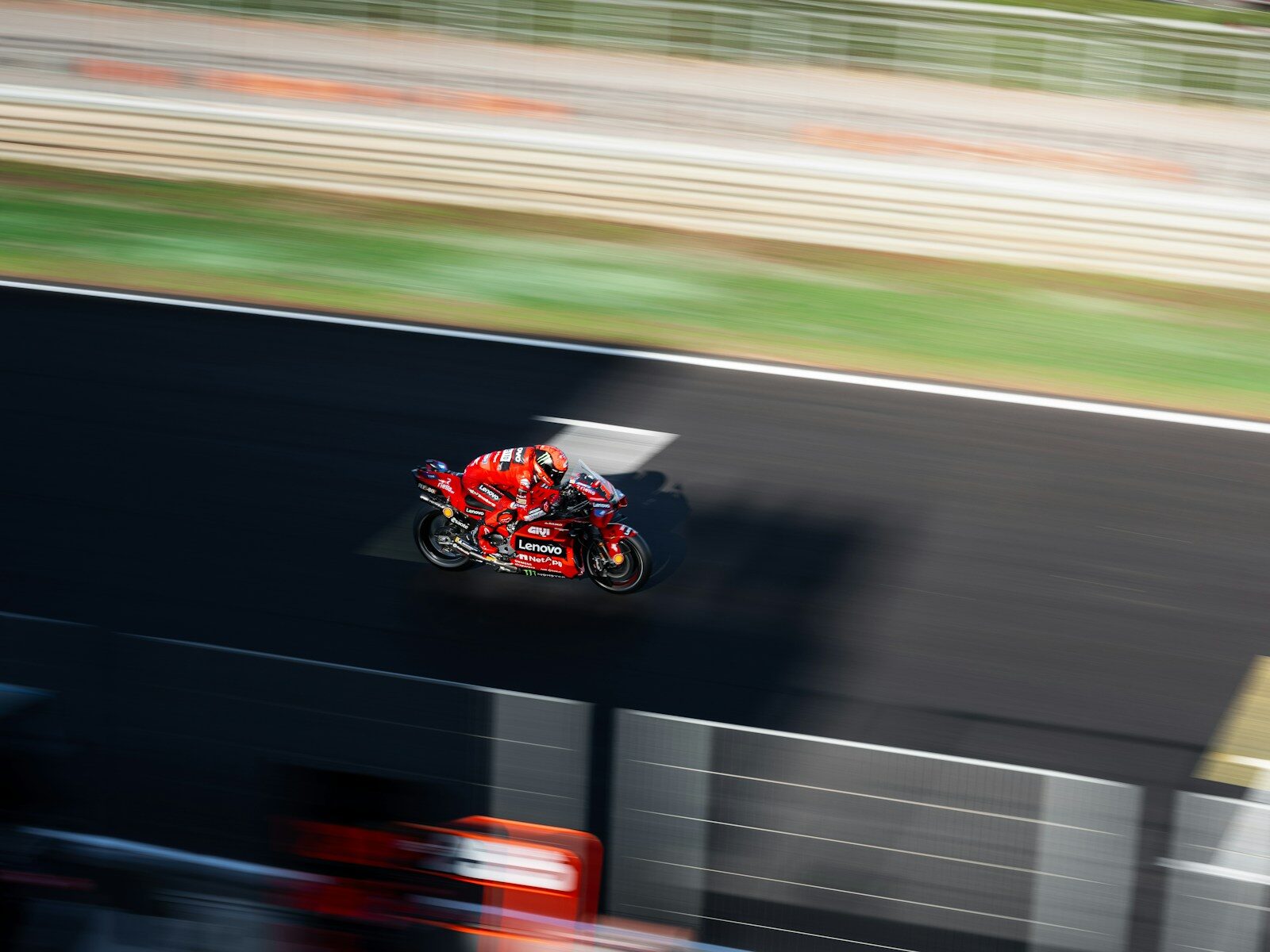
Fermín Aldeguer is hurt, the Sachsenring is this weekend, and BK8 Gresini Racing MotoGP is rolling into the German Grand Prix with exactly one bike in its garage. Not two. Not a spare machine hastily prepped for a substitute. One. Alex Márquez rides, his teammate’s pit box sits empty, and nobody at Gresini is treating that as some sort of crisis. This German round also slots into this weekend’s full racing slate, but the story here isn’t about who shows up. It’s about who doesn’t.
That’s because MotoGP, unlike the box-ticking world of stick-and-ball leagues, has no rule forcing a team to scramble for a fill-in rider when one of its regulars can’t climb aboard. Gresini confirmed the news in a social post on July 6: “@Aldeguer54 remains sidelined as he continues his enforced recovery and will miss the Sachsenring round. No replacement rider will be fielded.” No committee hearing, no mandated reserve list. Just a team, an empty seat, and a shrug.
The injury traces back to Assen. Aldeguer crashed during the Dutch Grand Prix weekend in late June, re-aggravating a rider who, in his own words afterward, was “frustrated to suffer another injury just when we were starting to regain positive feelings, both physically and with the bike.” Gresini has described the injury as not serious, just significant enough to need real recovery time instead of a rushed comeback that risks turning a minor setback into a season-ending one.
Alex Márquez went down in that same session and somehow still raced. He described the aftermath bluntly afterward: pain “almost everywhere,” a collarbone scare that thankfully didn’t turn into a break, plus abrasions and a knock to the head. He skipped Q2 to manage the risk, started from the fourth row, and ground his way to fifth at Assen anyway. Aldeguer didn’t start the race at all. The two teammates now sit ninth and tenth in the championship, separated by just two points, 78 to 76, which is exactly why this weekend stings. Aldeguer can only fall further behind, feeding into the growing points gap that decides seasons, because there’s no bike for him to score with.
Here’s the part that exposes just how optional a replacement rider really is in this sport. In that same paddock, Castrol Honda LCR has spent weeks running Cal Crutchlow in place of Johann Zarco, who tore his ACL in a crash at Catalunya and isn’t expected back until September. Crutchlow lines up at the Sachsenring for his fifth appearance of the season standing in for Zarco. Two teams, two injured riders, two completely different responses, and neither one broke a rule, because there isn’t one to break.
The difference comes down to timeline and money, not regulation. Zarco is out for months, so Honda’s satellite squad clearly decided the logistical lift of prepping a bike around a substitute’s ergonomics and electronics settings was worth it for an extended stretch. Aldeguer’s absence is expected to be short, and independent teams like Gresini don’t carry a salaried reserve rider on retainer the way a bigger factory-backed operation might. Building a competitive setup for someone with zero laps on that specific machine, for what could be a single missed round, often isn’t worth the expense, or the risk of bending sheet metal on a bike that still has to work for the regular rider the following week.
Compare that to Formula 1, where every team keeps a contracted reserve driver on standby specifically for scenarios like this, a built-in insurance policy funded by budgets that dwarf anything in the MotoGP paddock. We’ve already covered how brutal Formula 1’s cost-cap era gets after a single expensive crash; when a series is pulling in record crowds and the money that comes with it, teams can afford to plan for a driver’s bad week months in advance. A satellite MotoGP squad fighting for a top-ten championship spot doesn’t have that luxury, and honestly, it doesn’t need it if the alternative is simply eating a zero and moving on.
It’s a quieter storyline than the chaos of Sunday’s British Grand Prix, where contact and mechanical drama reshuffled the order lap after lap without a single entry disappearing from the points. But it matters for anyone actually tracking the championship math. A missed weekend with no stand-in doesn’t just cost Aldeguer whatever points were on the table at the Sachsenring, it hands a clean run to every rival near him in the standings, points he can never get back no matter how he performs once he’s fit. It’s a small, easy-to-miss reminder that MotoGP’s paddock runs on a lot less bureaucracy than fans assume, for better and for worse.
About the Author